Tarot card meanings
The Tarot19 reference contains 22 Major Arcana and 56 Minor Arcana cards. Each meaning is a starting point shaped by the spread position, neighbouring cards, and the reader's real context.
78 of 78 cards
Major Arcana card list
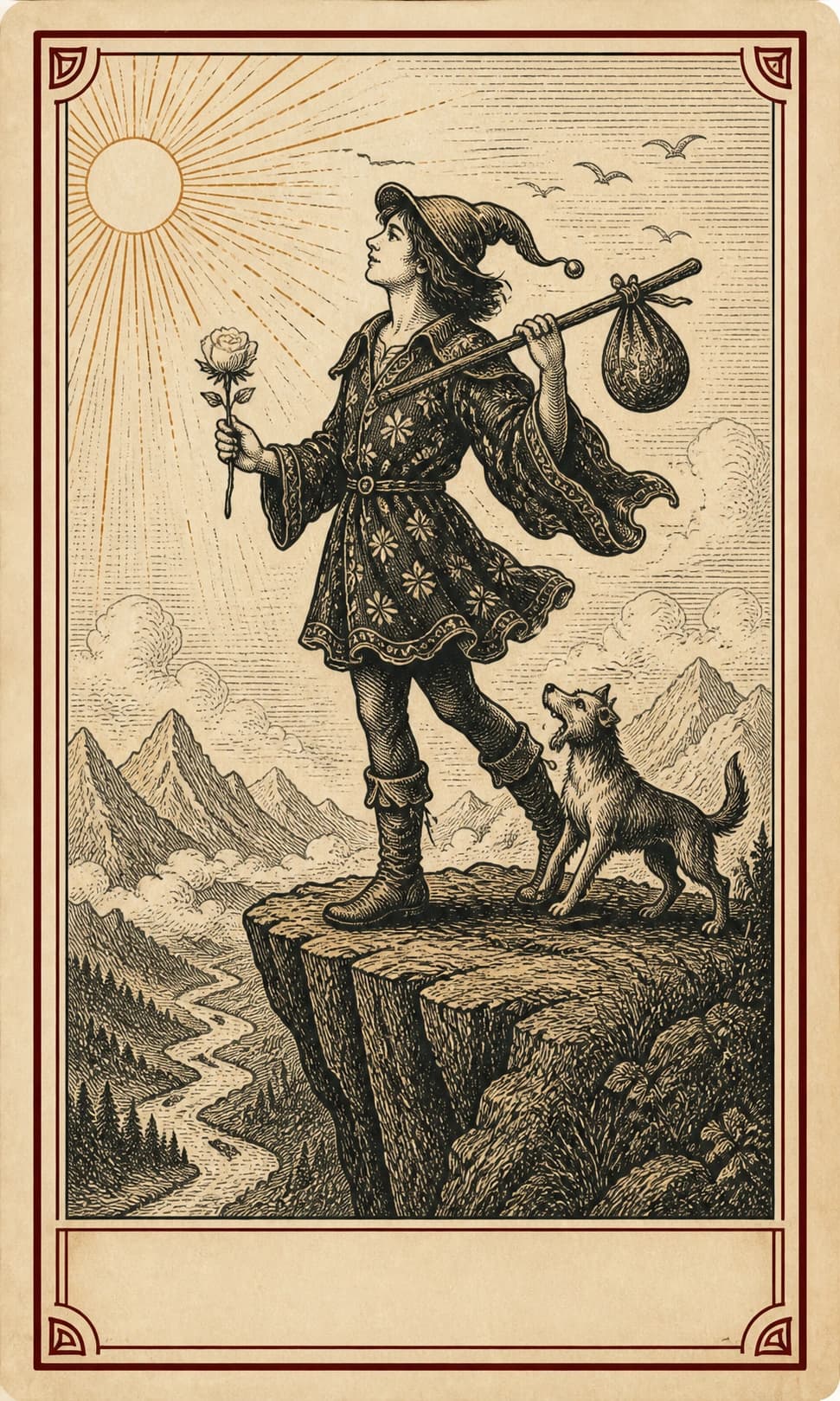
- The Fool marks a beginning whose full route cannot yet be known.
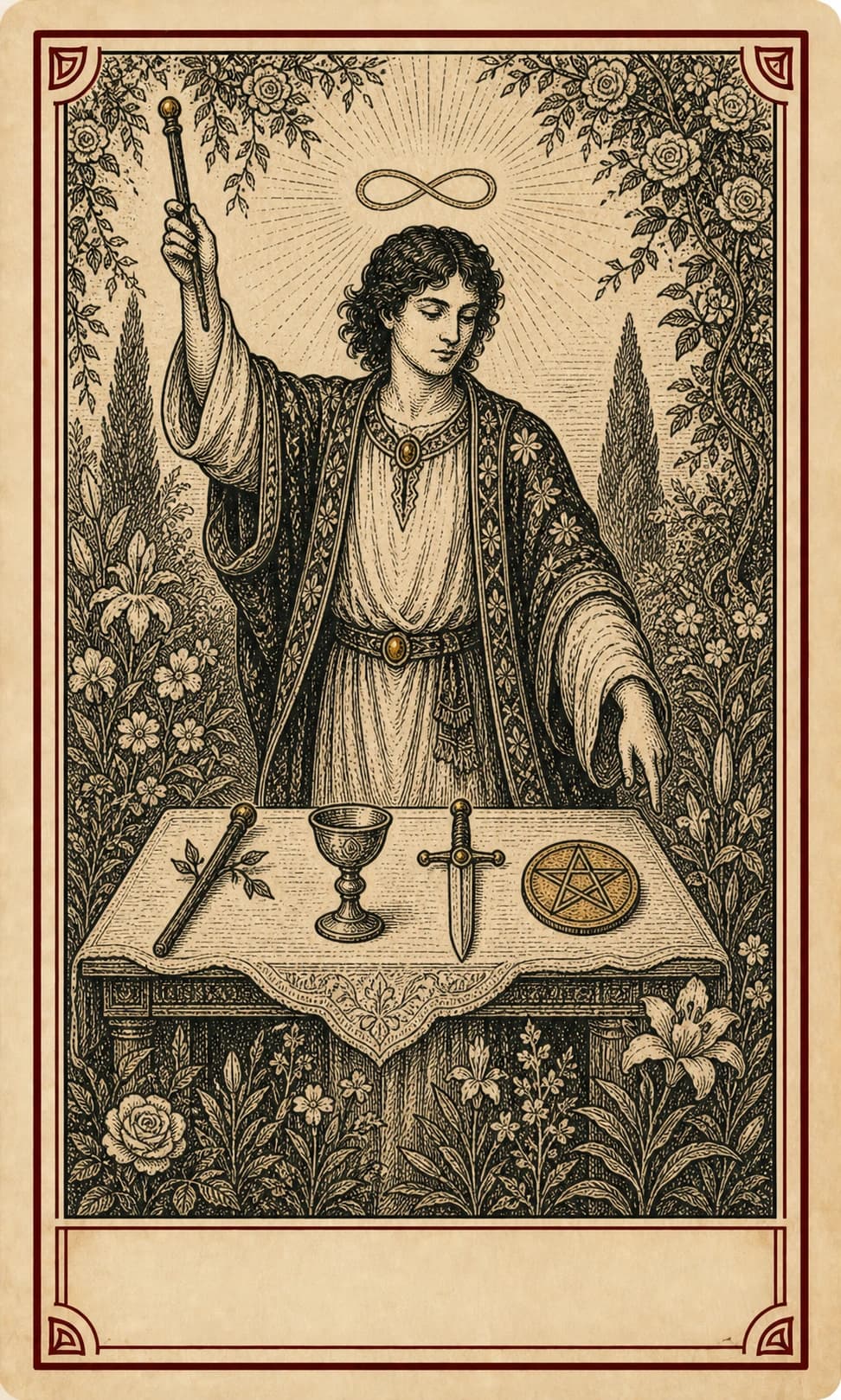
- The Magician brings available tools, learned skill, and intention into one focused act.
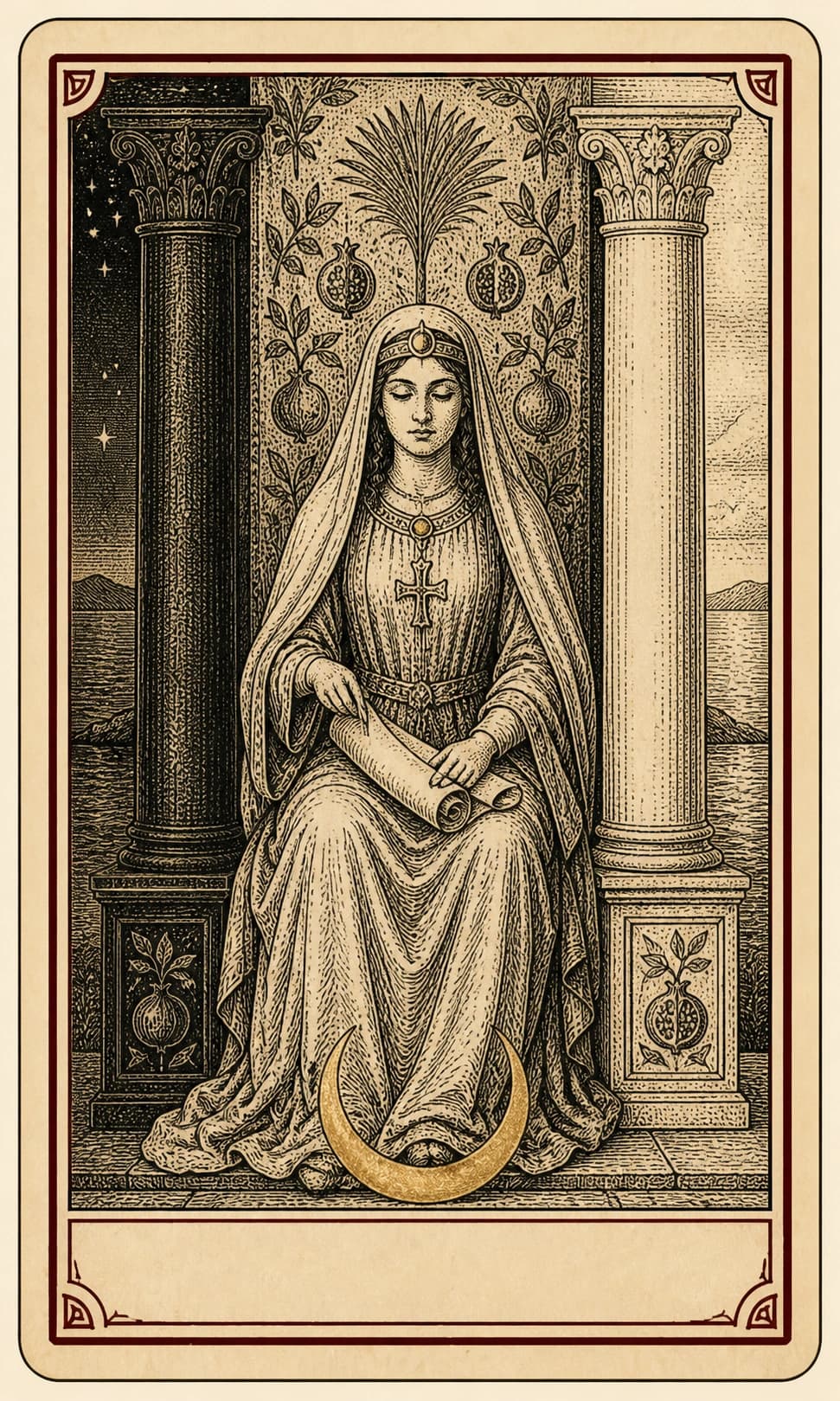
- The High Priestess asks for quiet attention to information that is subtle, incomplete, or still forming.
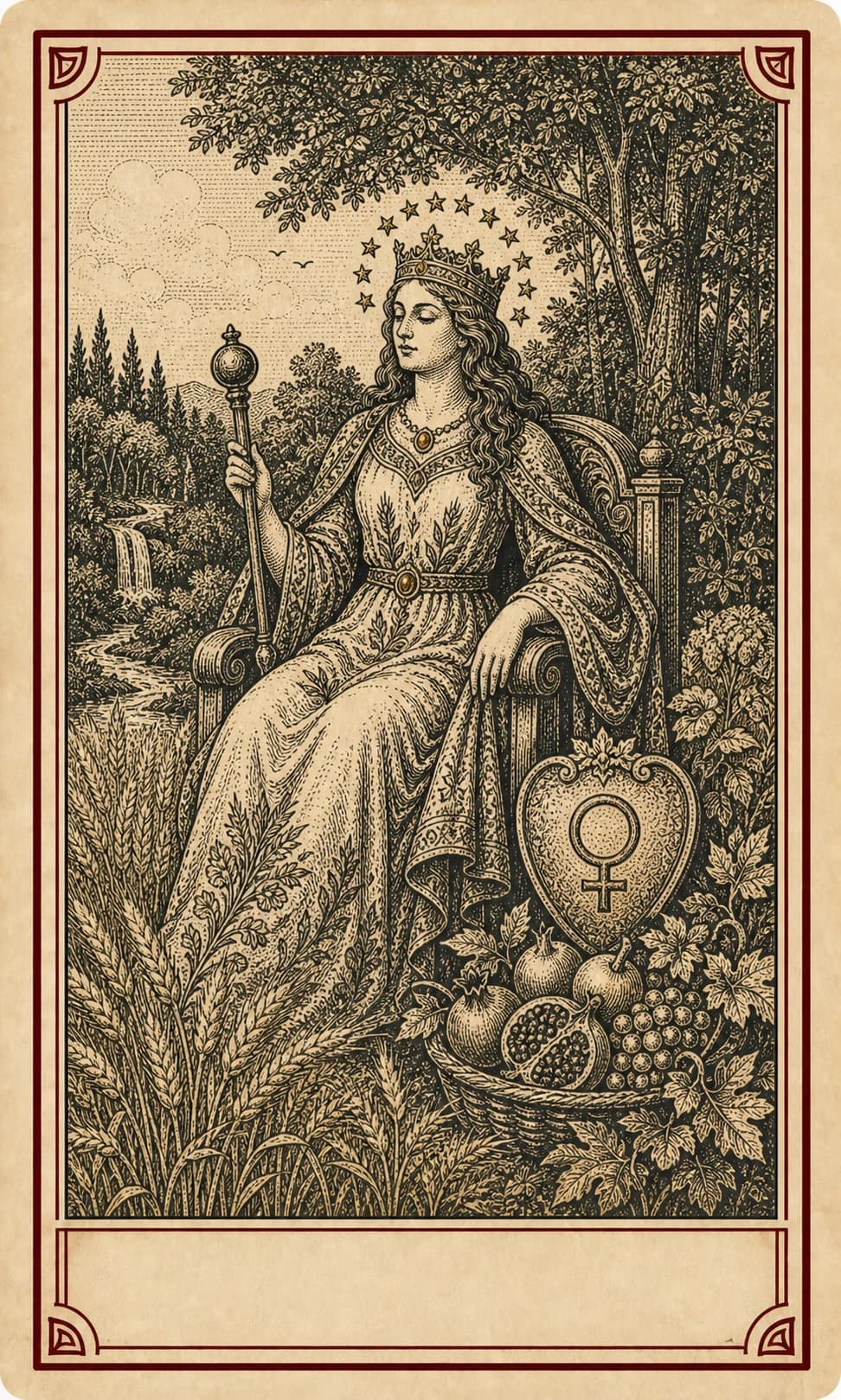
- The Empress represents conditions in which life, creativity, and care are given enough support to grow.
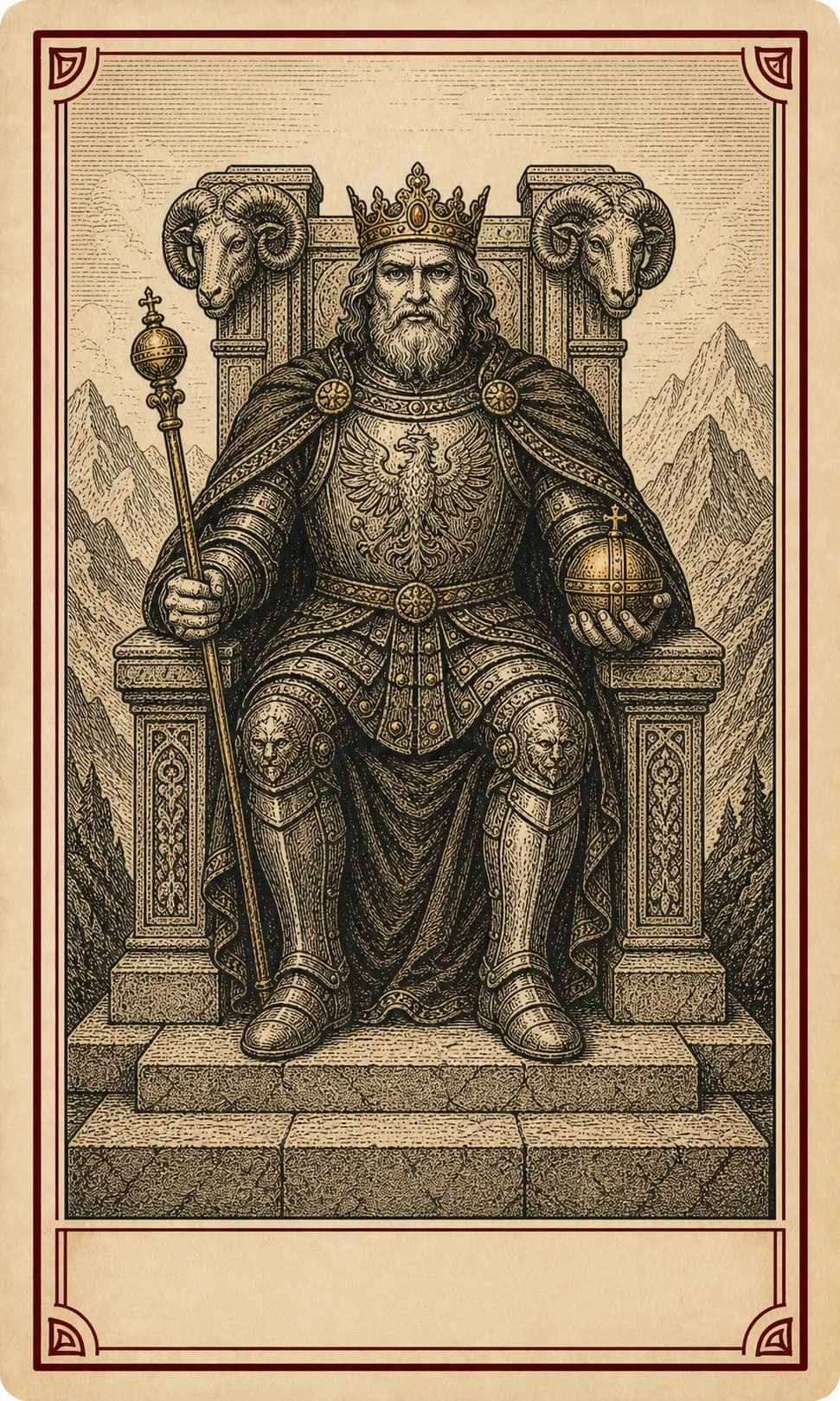
- The Emperor concerns the rules, boundaries, and accountable leadership that make a situation dependable.
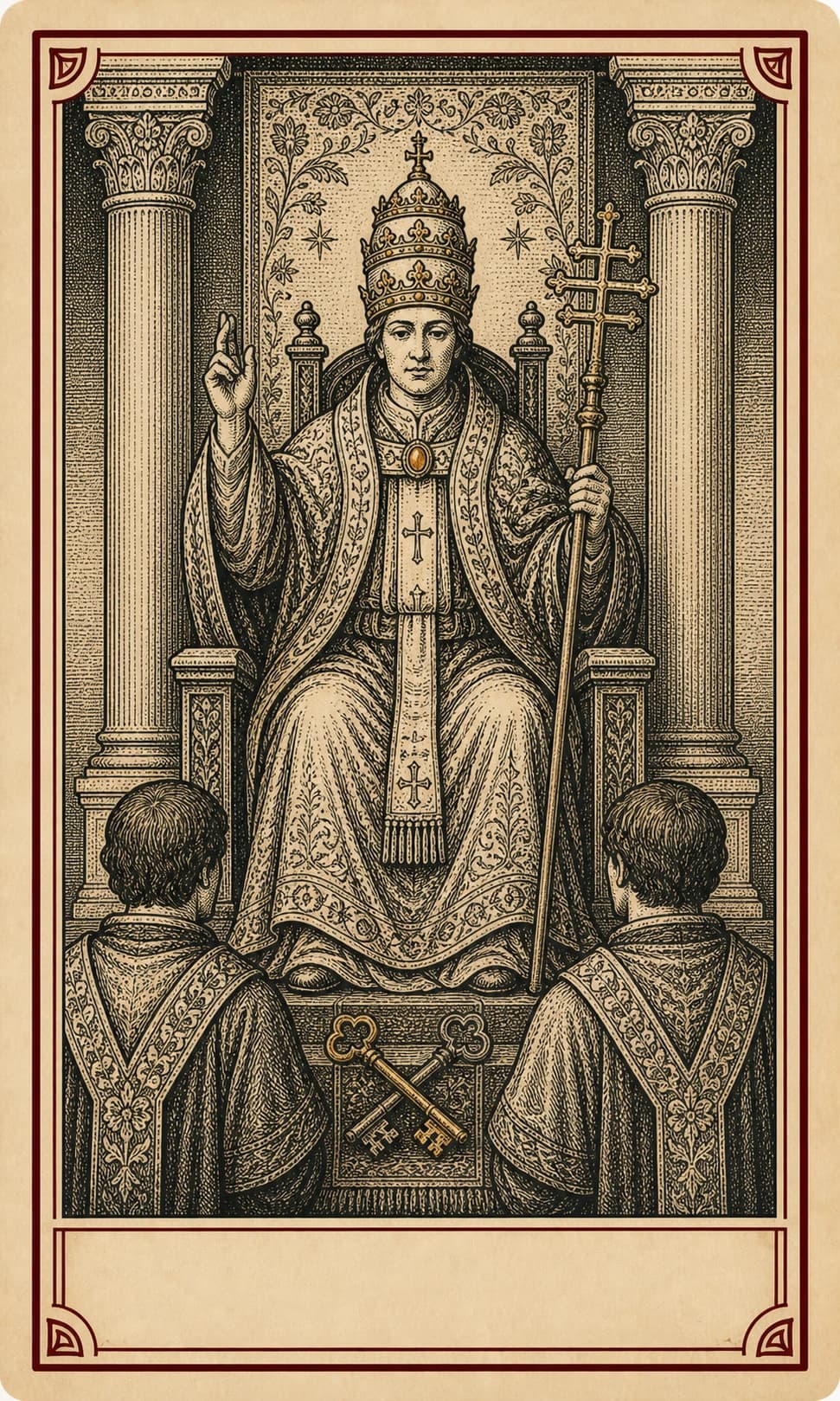
- The Hierophant points to inherited knowledge, formal learning, and communities organized around shared values.
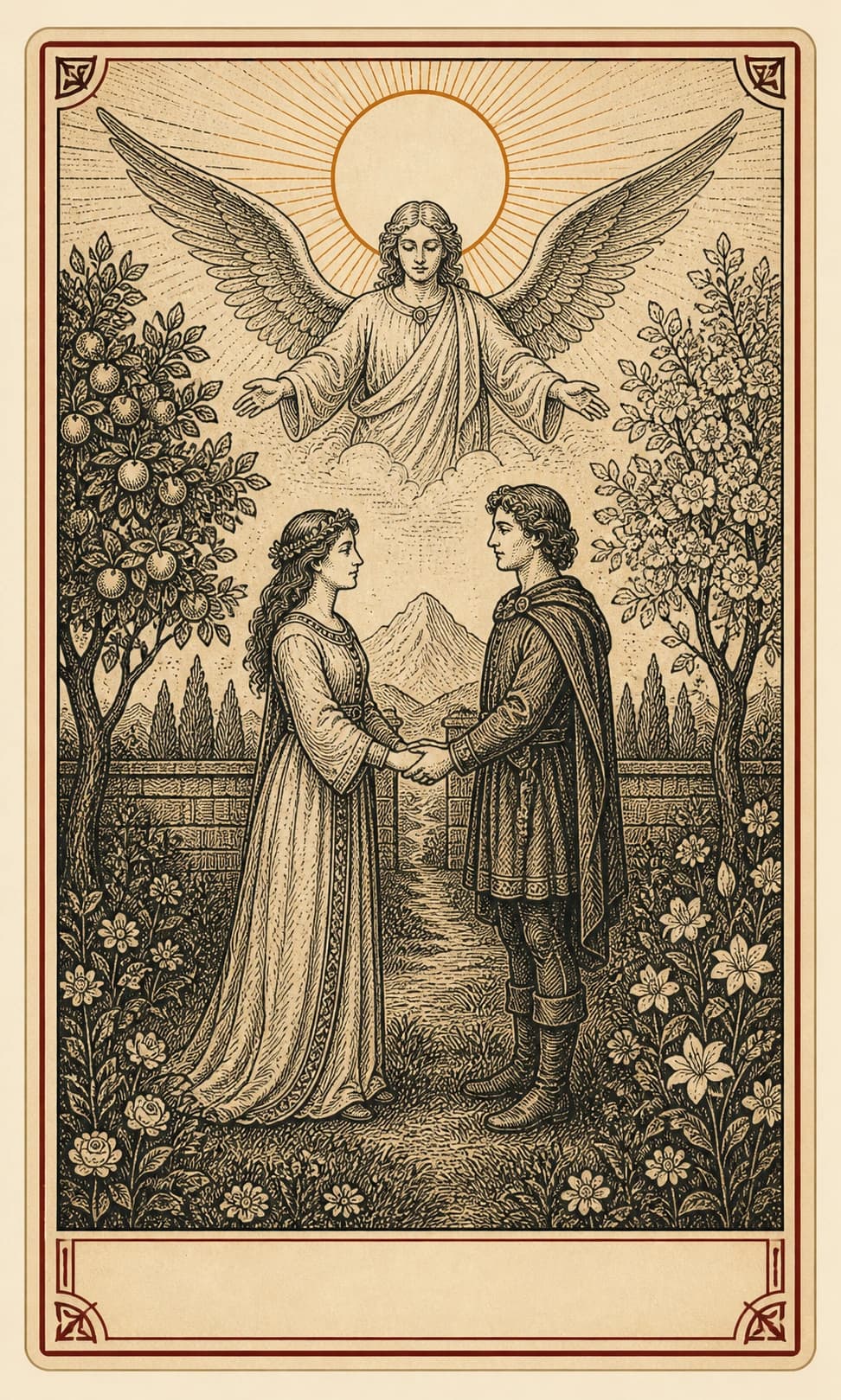
- The Lovers is as much about choosing in alignment with values as it is about attraction or partnership.
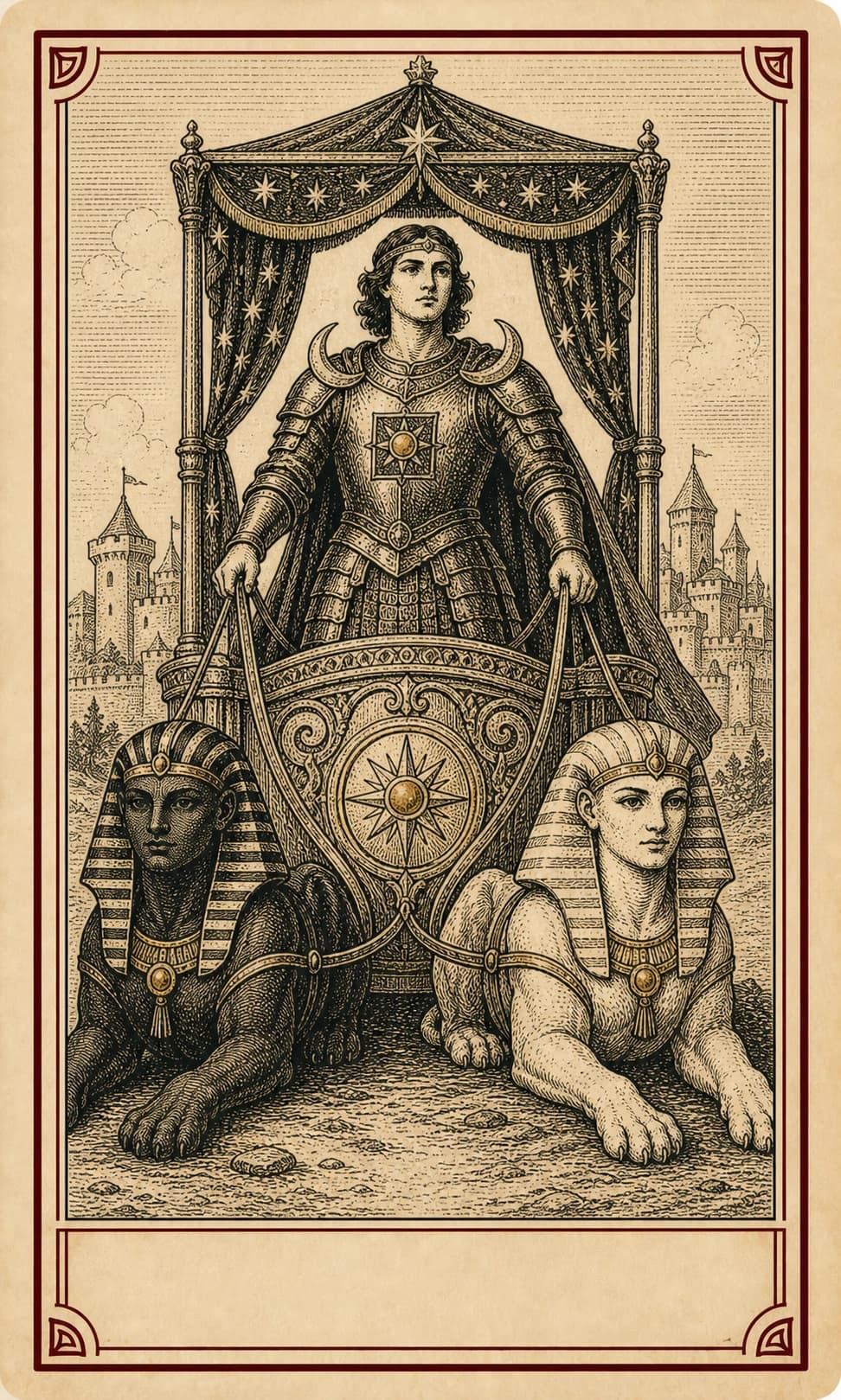
- The Chariot gathers competing forces under a chosen direction through discipline rather than brute force.
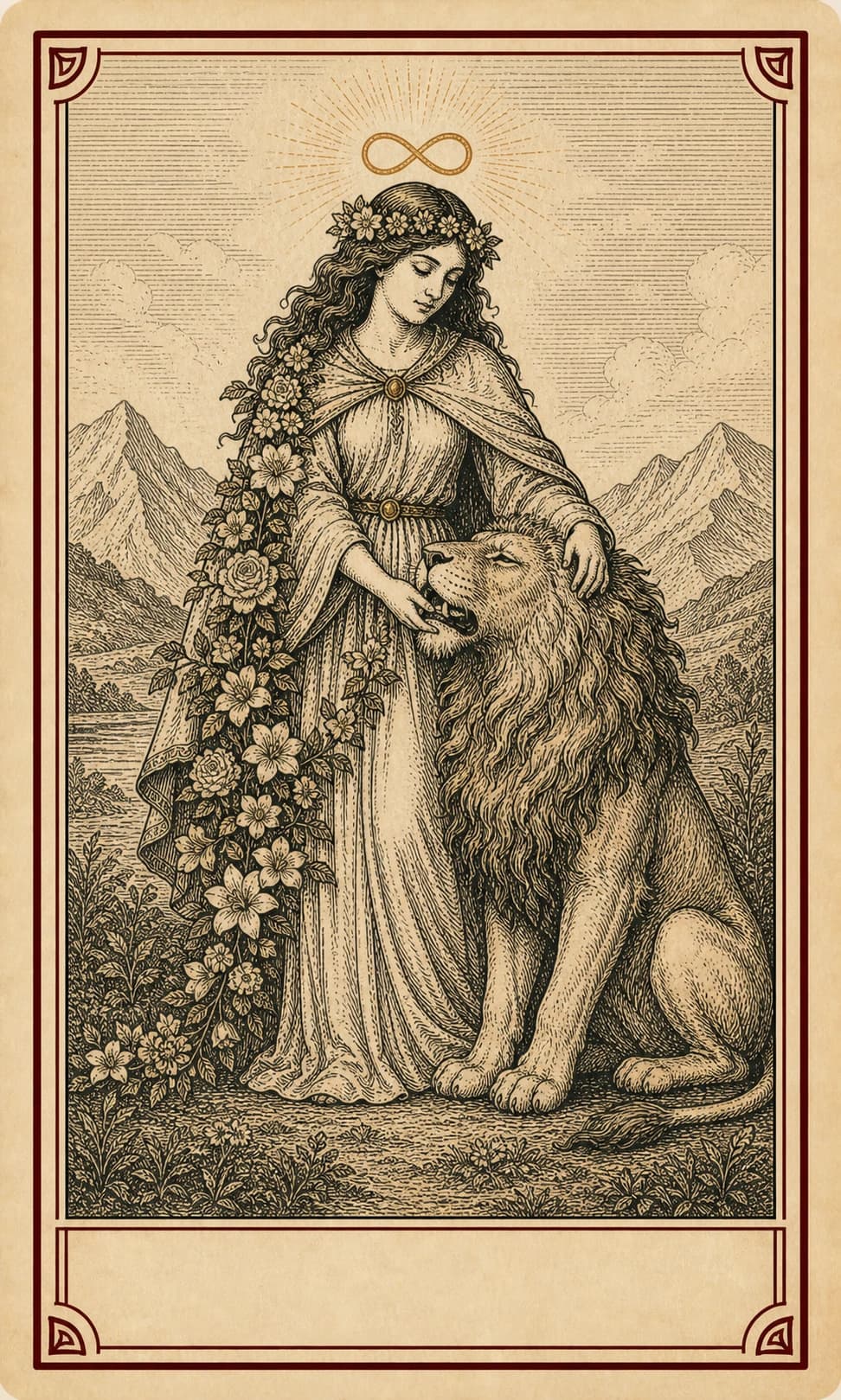
- Strength depicts courage expressed through patience, steadiness, and a respectful relationship with instinct.
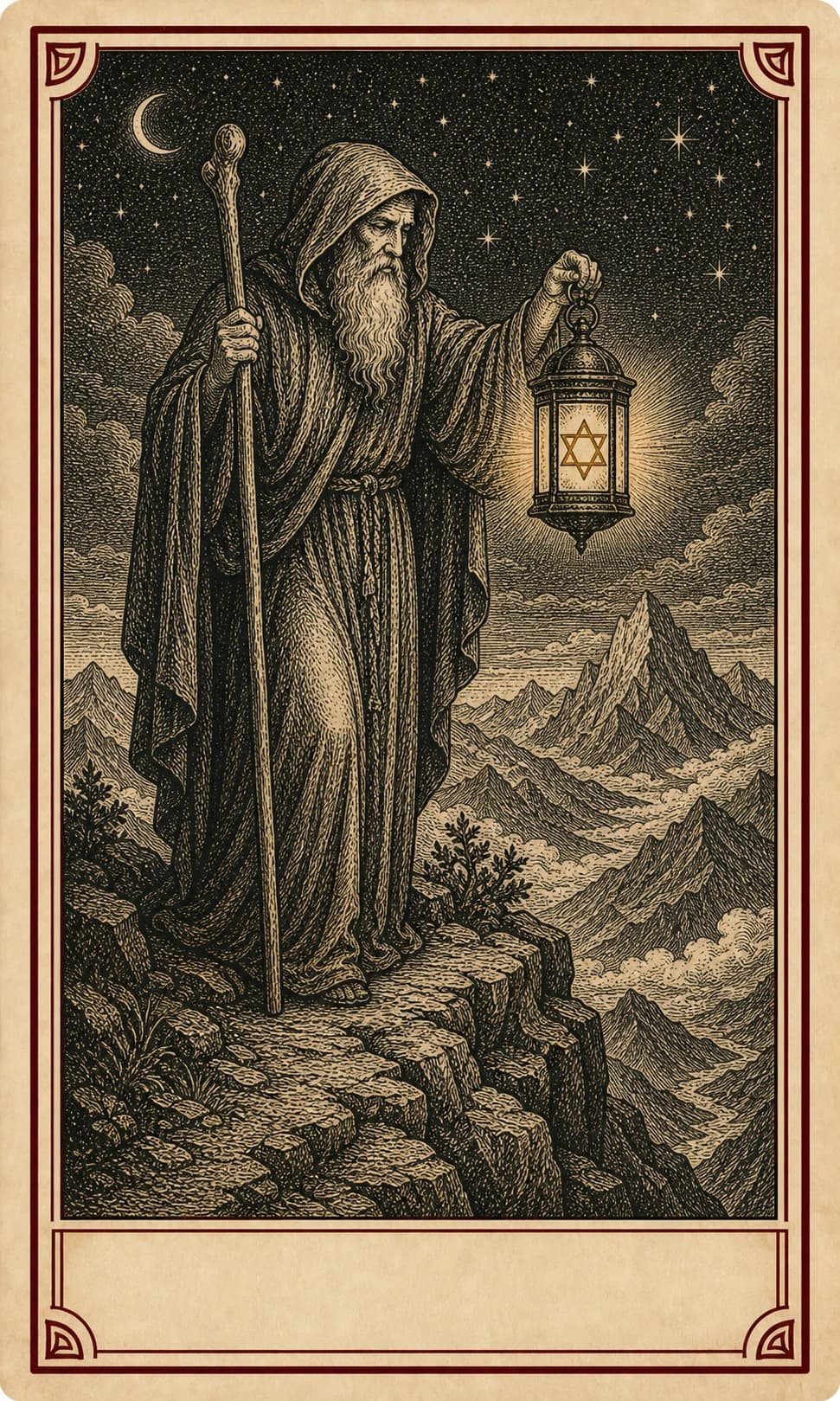
- The Hermit uses chosen solitude to separate borrowed expectations from hard-earned understanding.
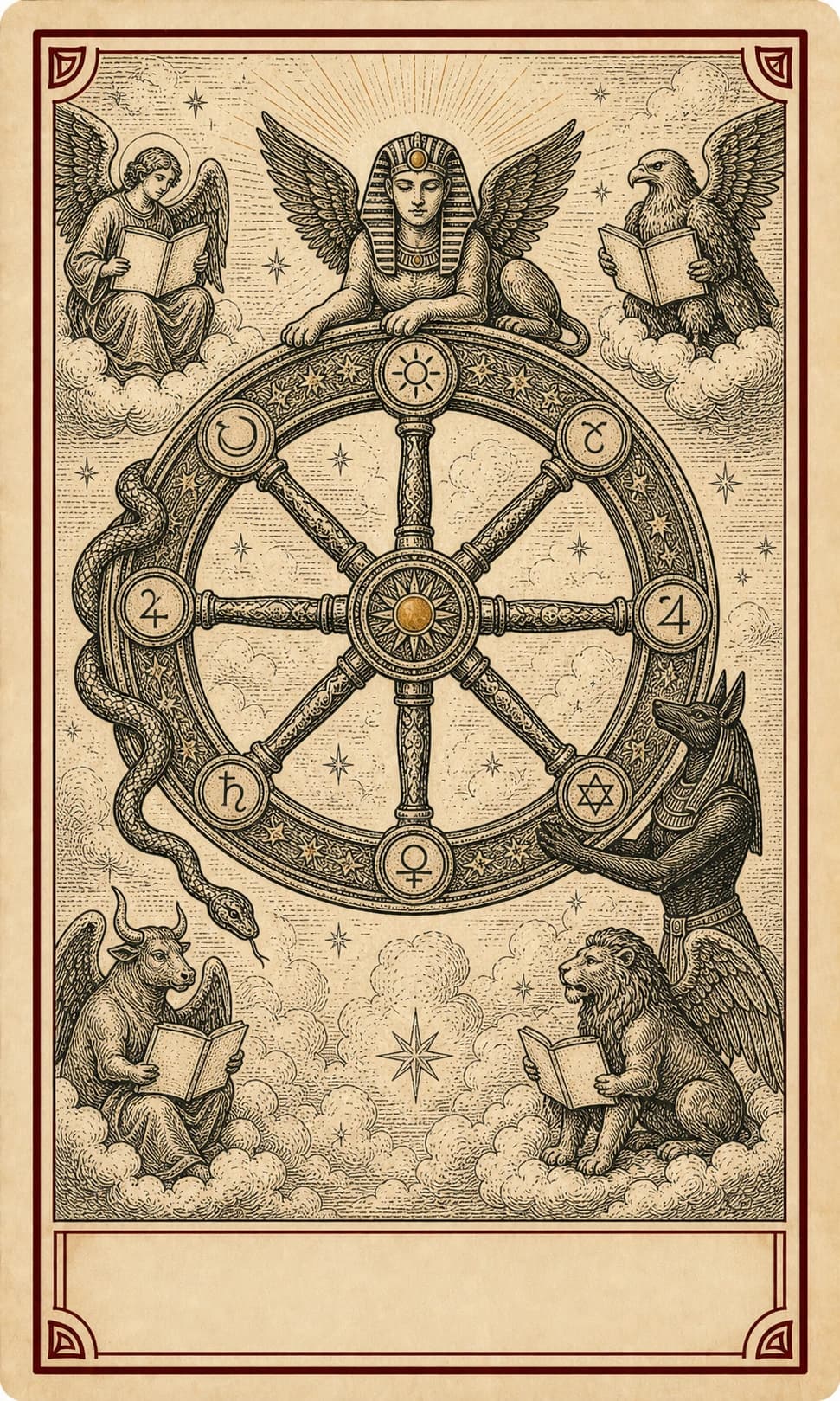
- Wheel of Fortune places the present moment inside a larger cycle of change, timing, and conditions beyond individual control.
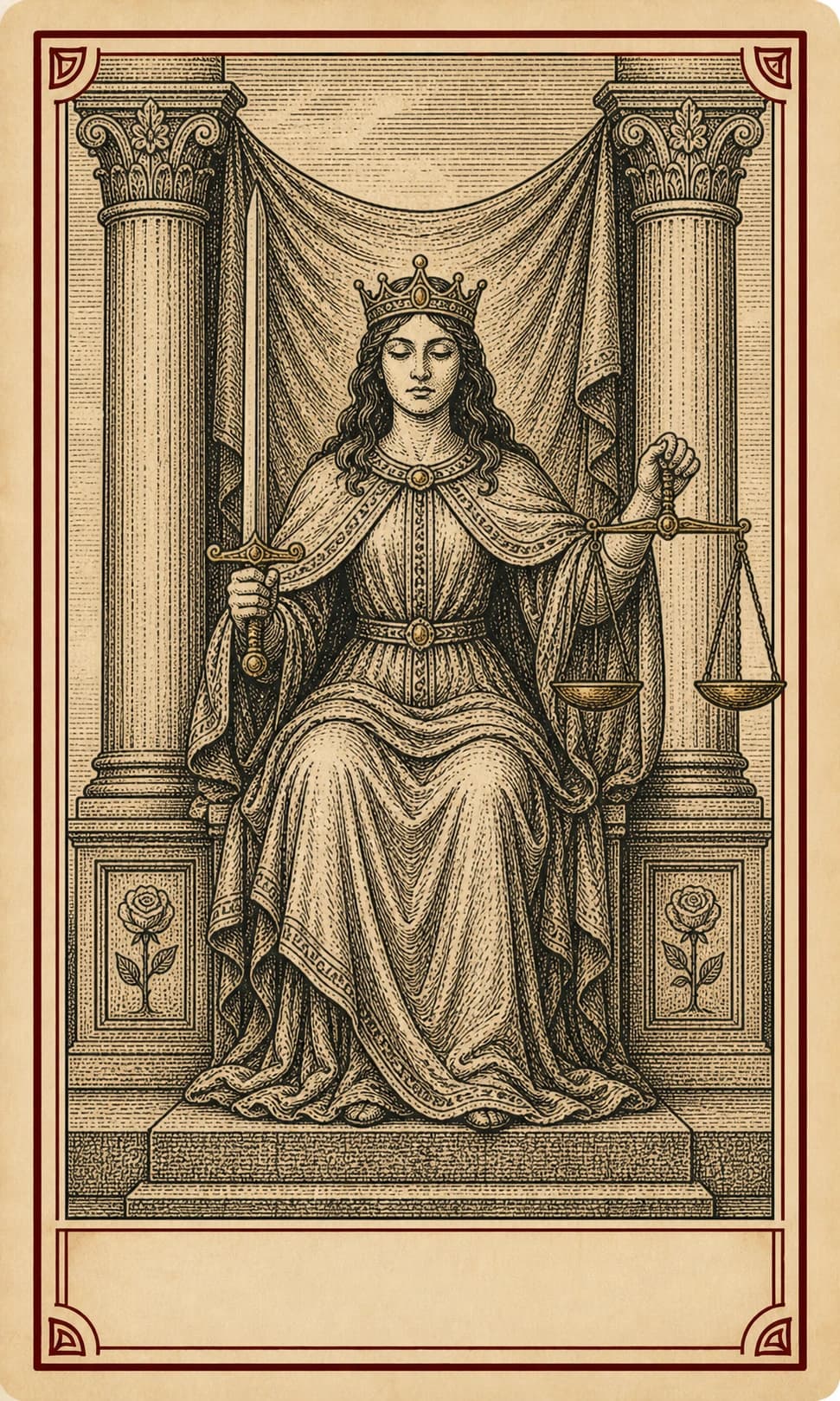
- Justice asks for a decision grounded in evidence, proportion, and willingness to accept consequences.
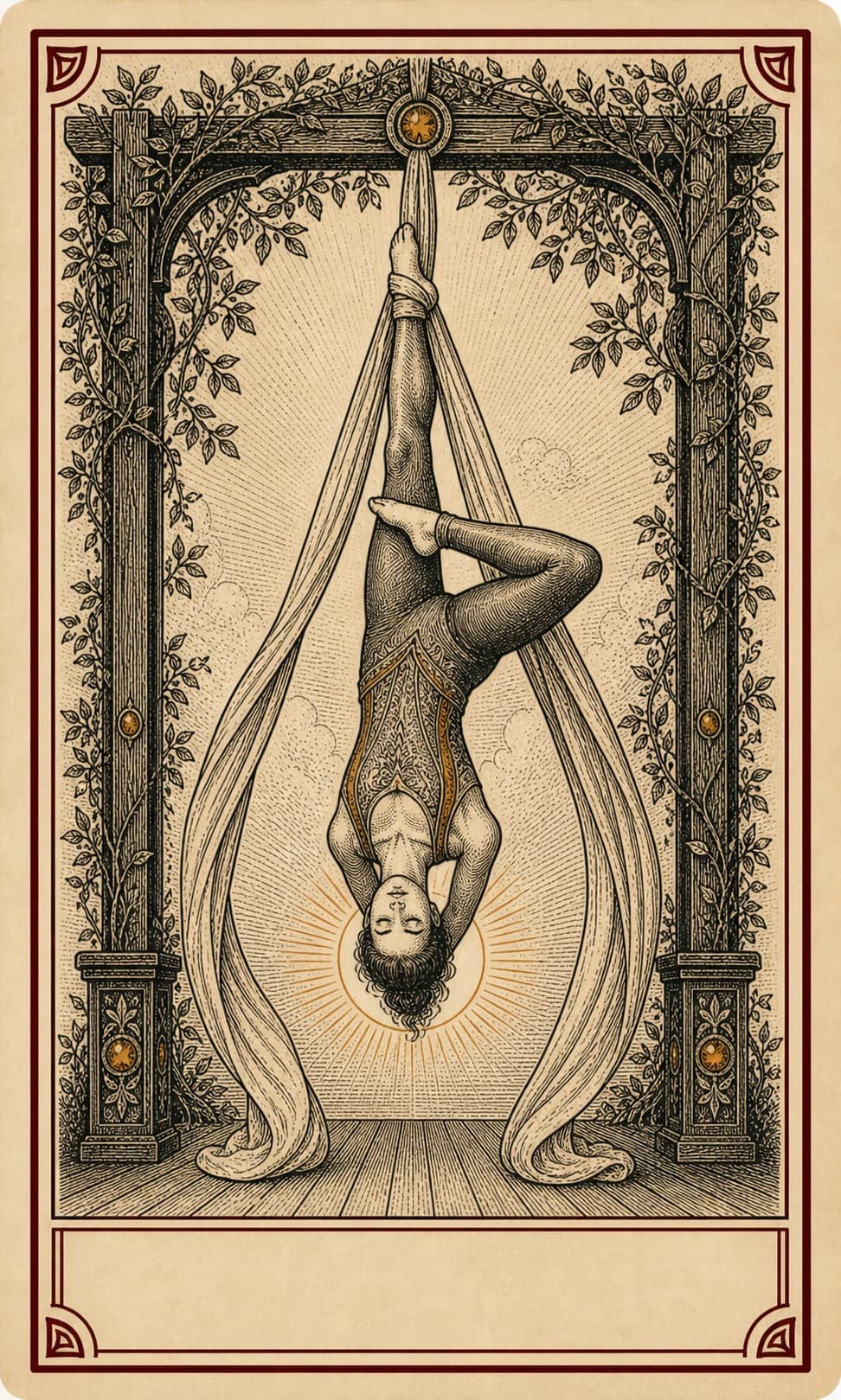
- The Hanged Man represents a deliberate pause that changes perspective by suspending the usual approach.
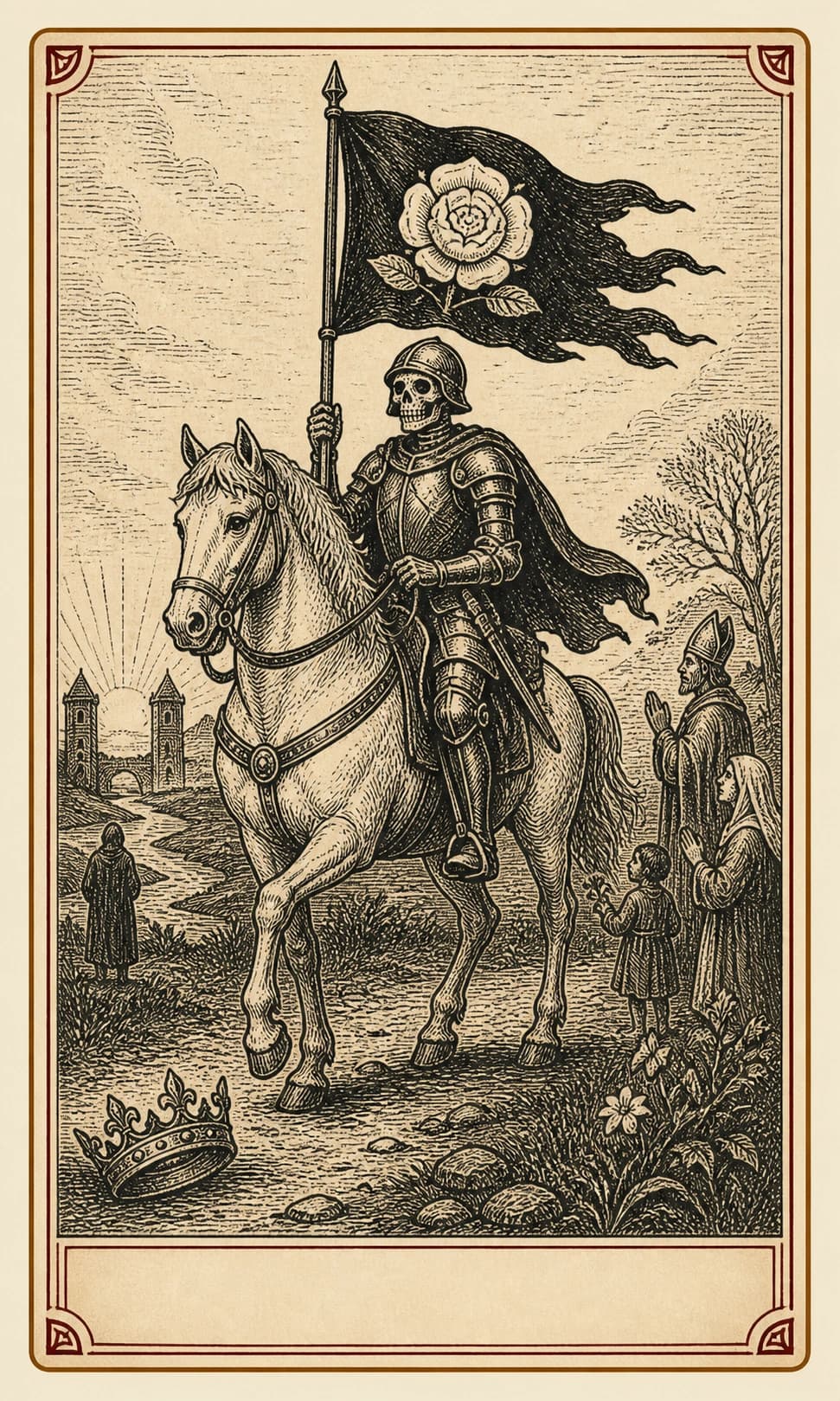
- Death symbolizes an ending that changes the structure of what follows, not physical death.
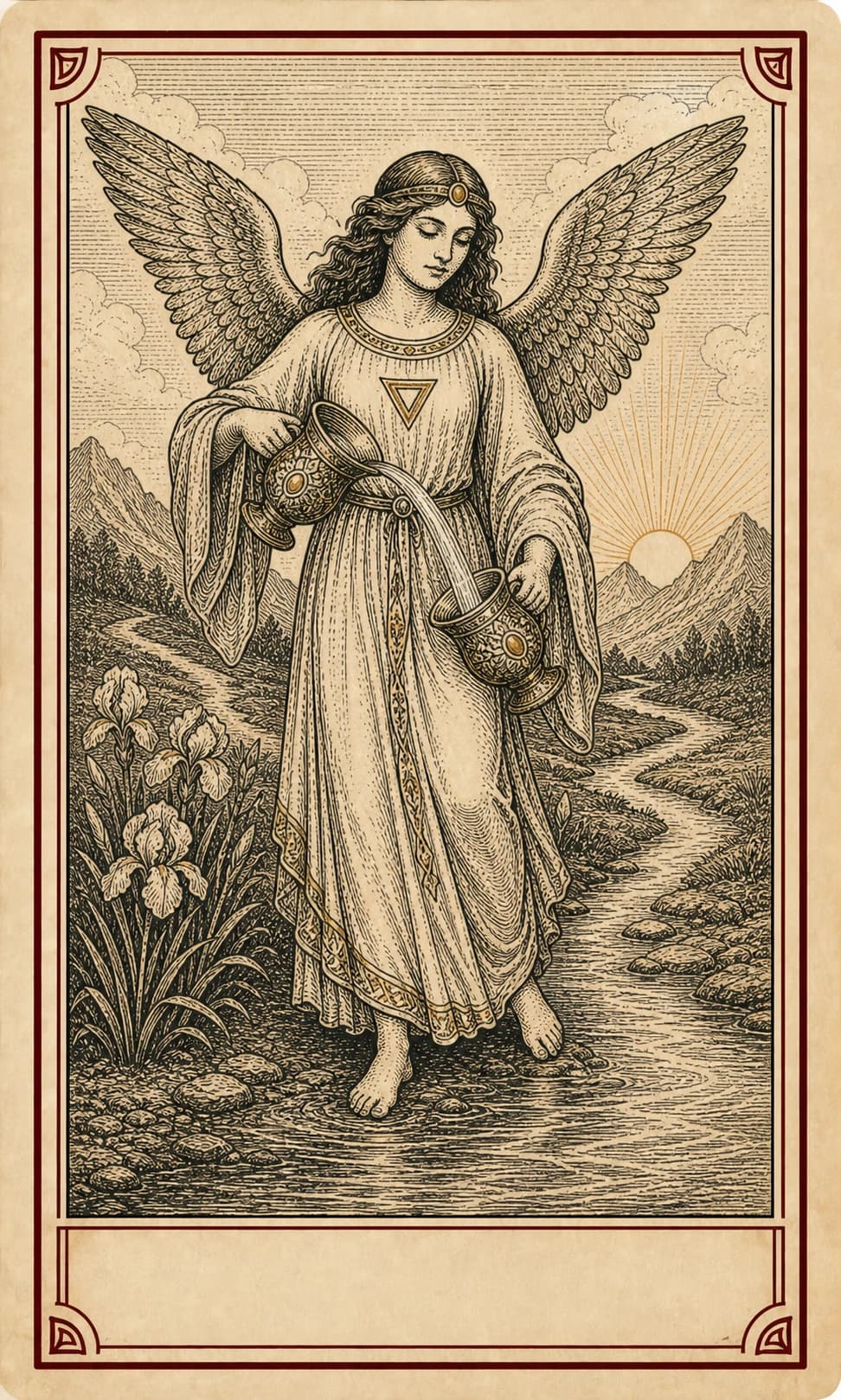
- Temperance combines different elements gradually until they can work together without losing their distinct qualities.
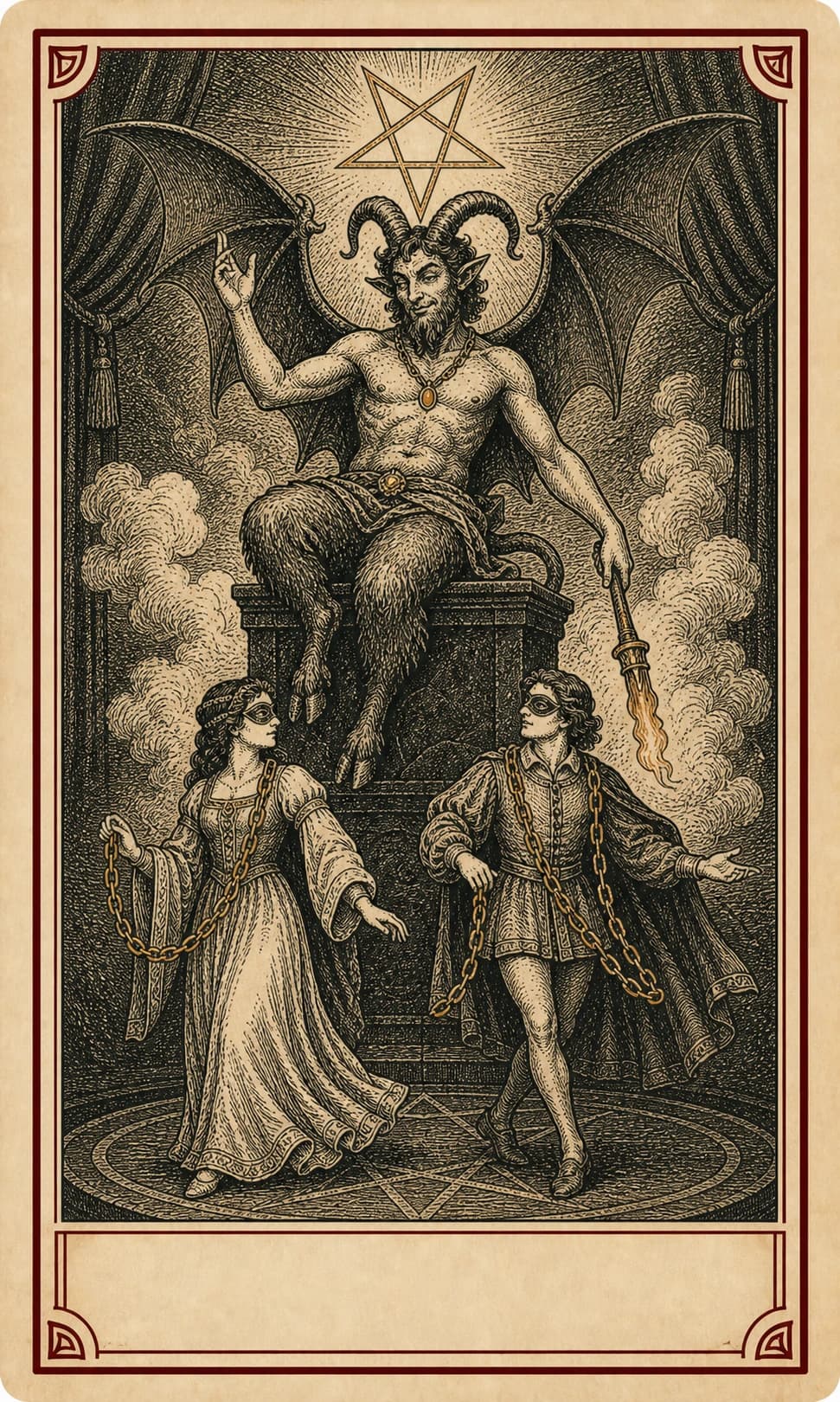
- The Devil illuminates a binding pattern that is reinforced by fear, reward, shame, or the belief that no choice remains.
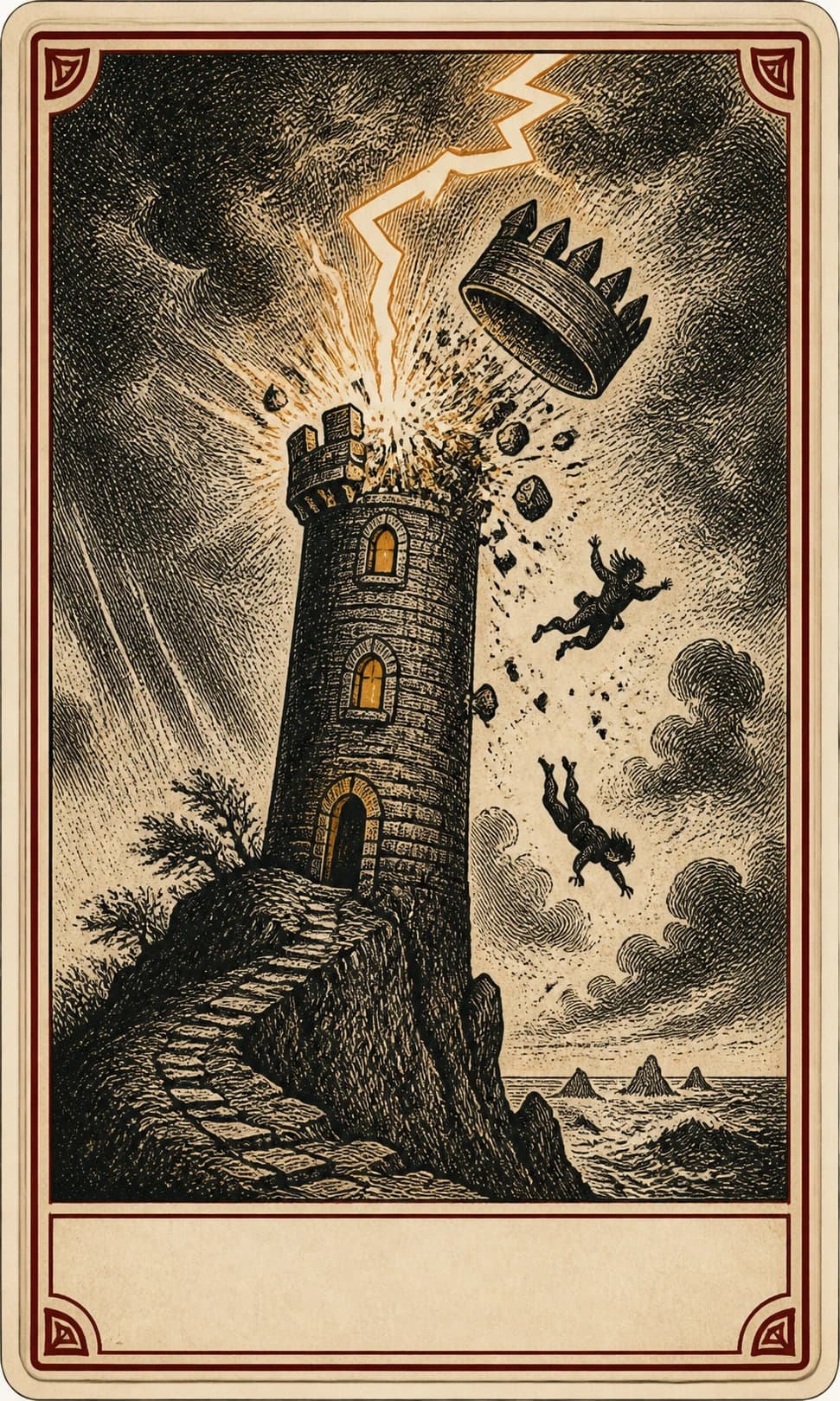
- The Tower describes a sudden disruption that exposes a structure or belief that could not continue unchanged.
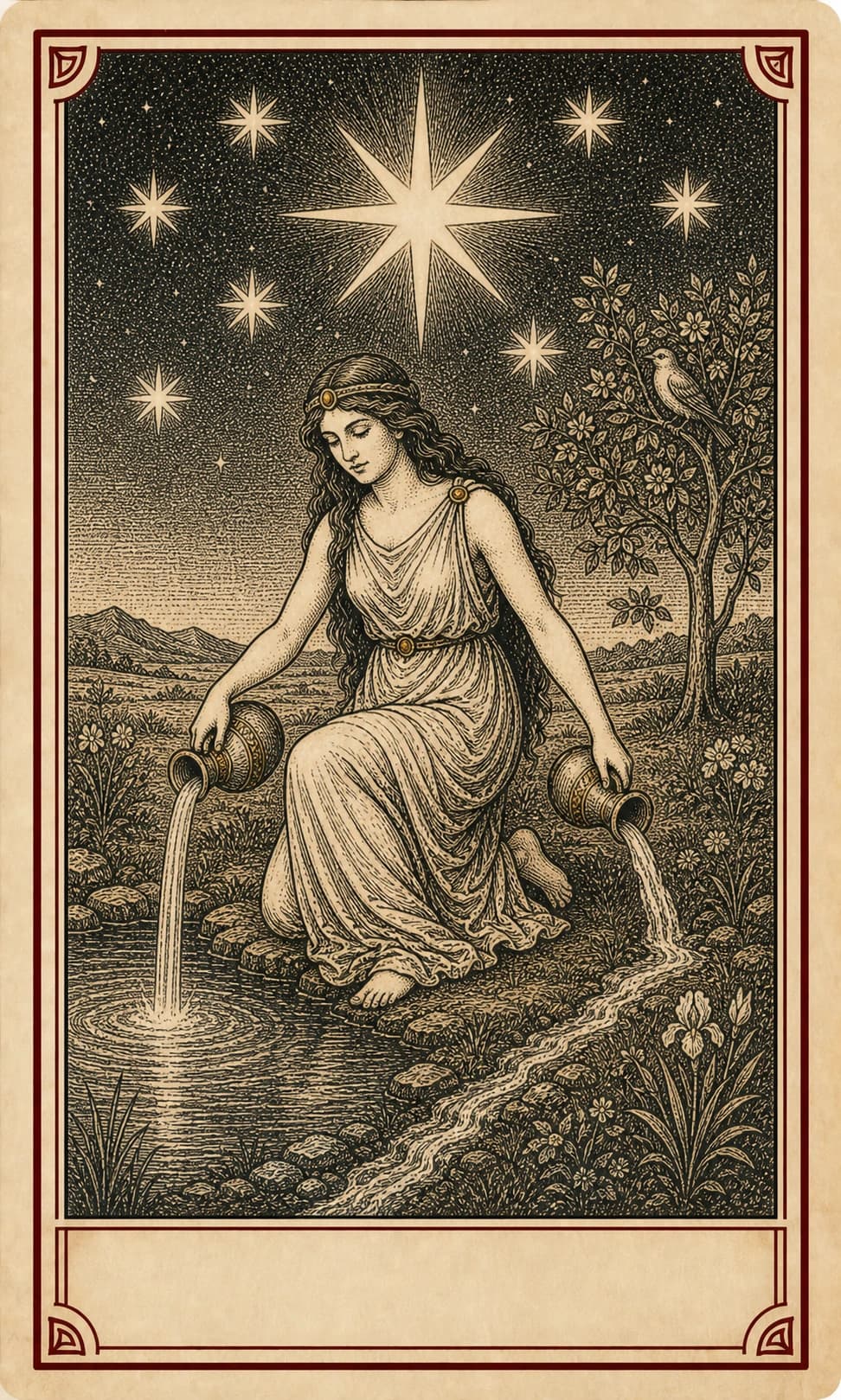
- The Star offers quiet renewal after difficulty and the possibility of acting without hiding one's essential values.
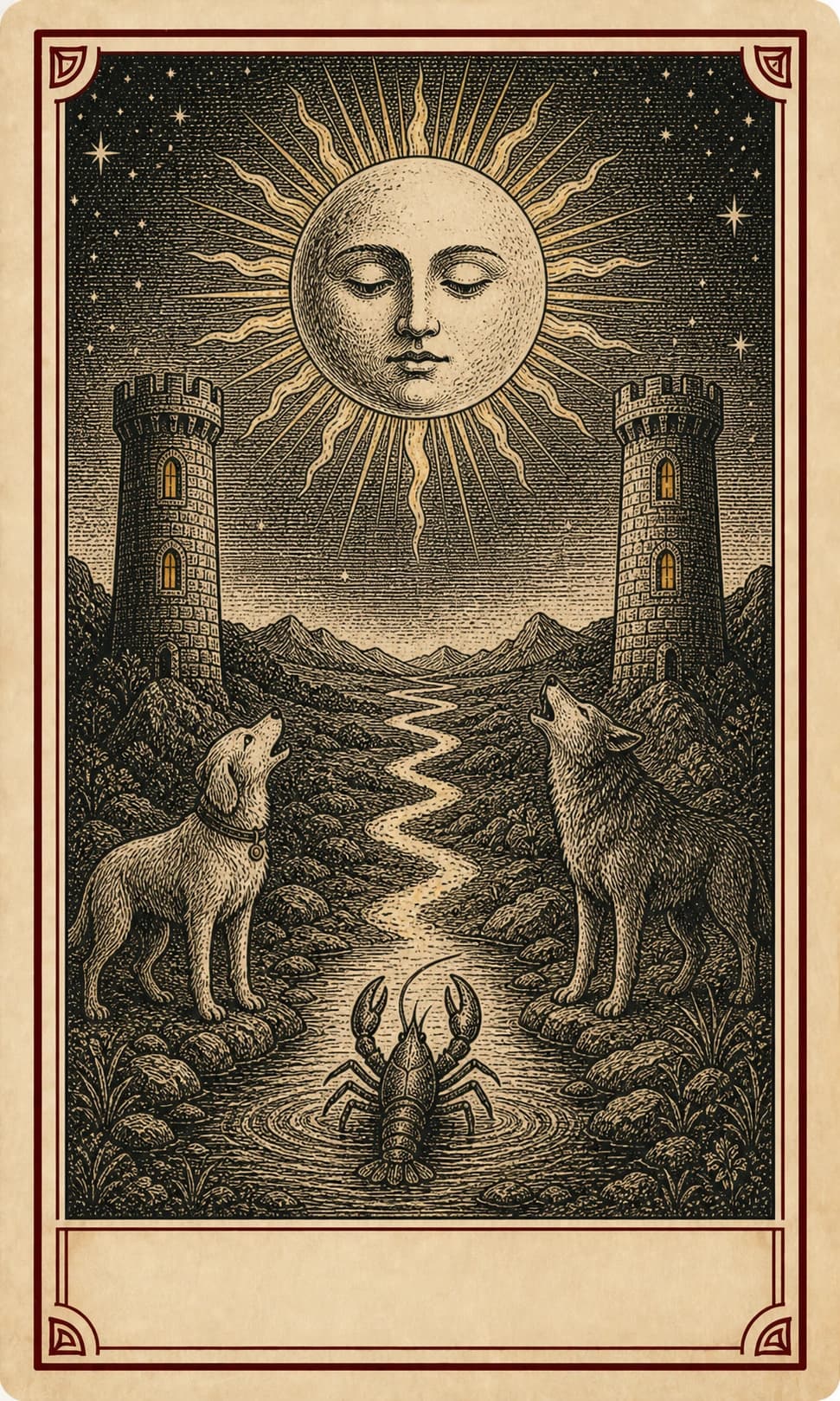
- The Moon describes a landscape shaped by incomplete information, imagination, fear, and patterns below immediate awareness.
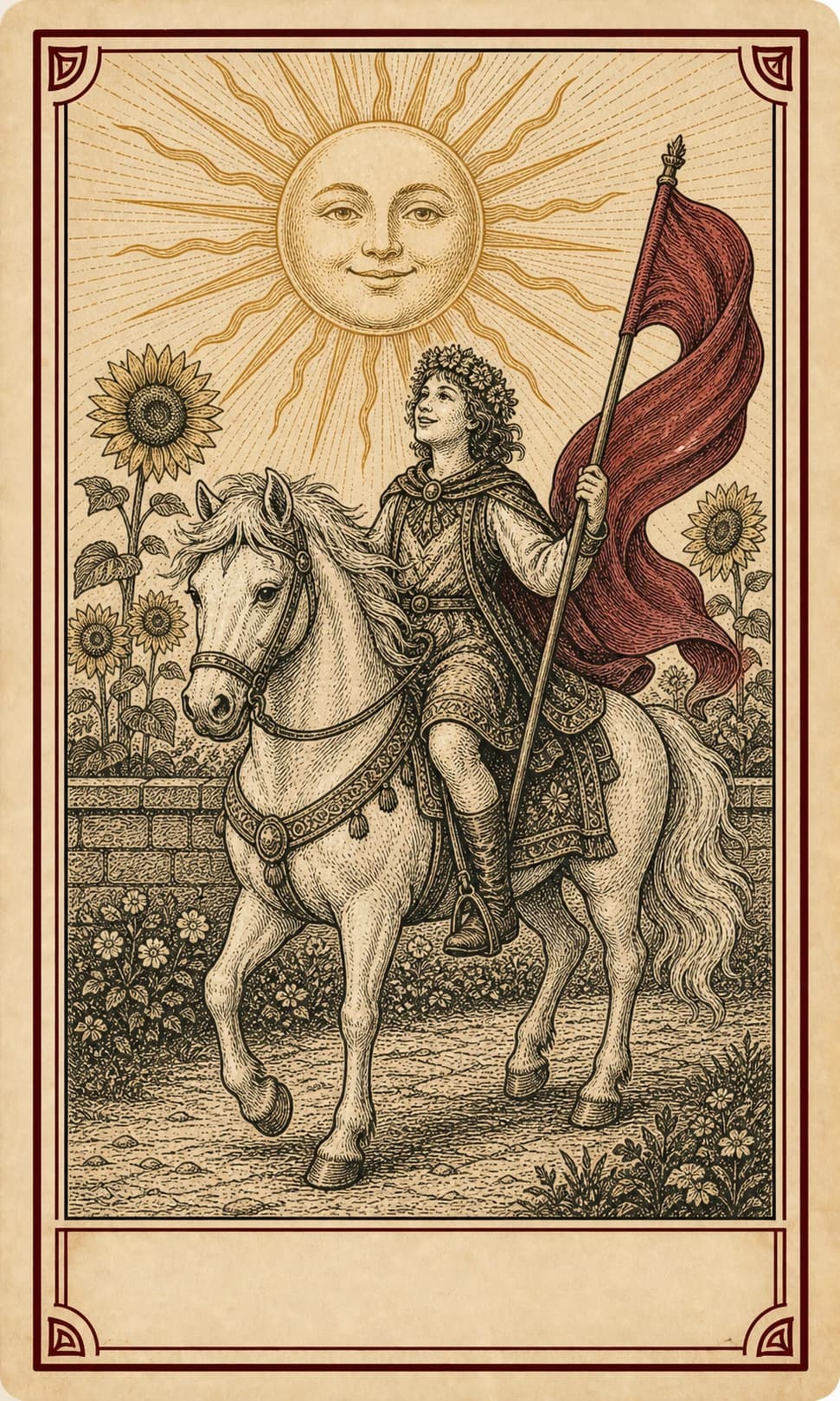
- The Sun brings something into clear view and supports direct expression, vitality, and uncomplicated appreciation.
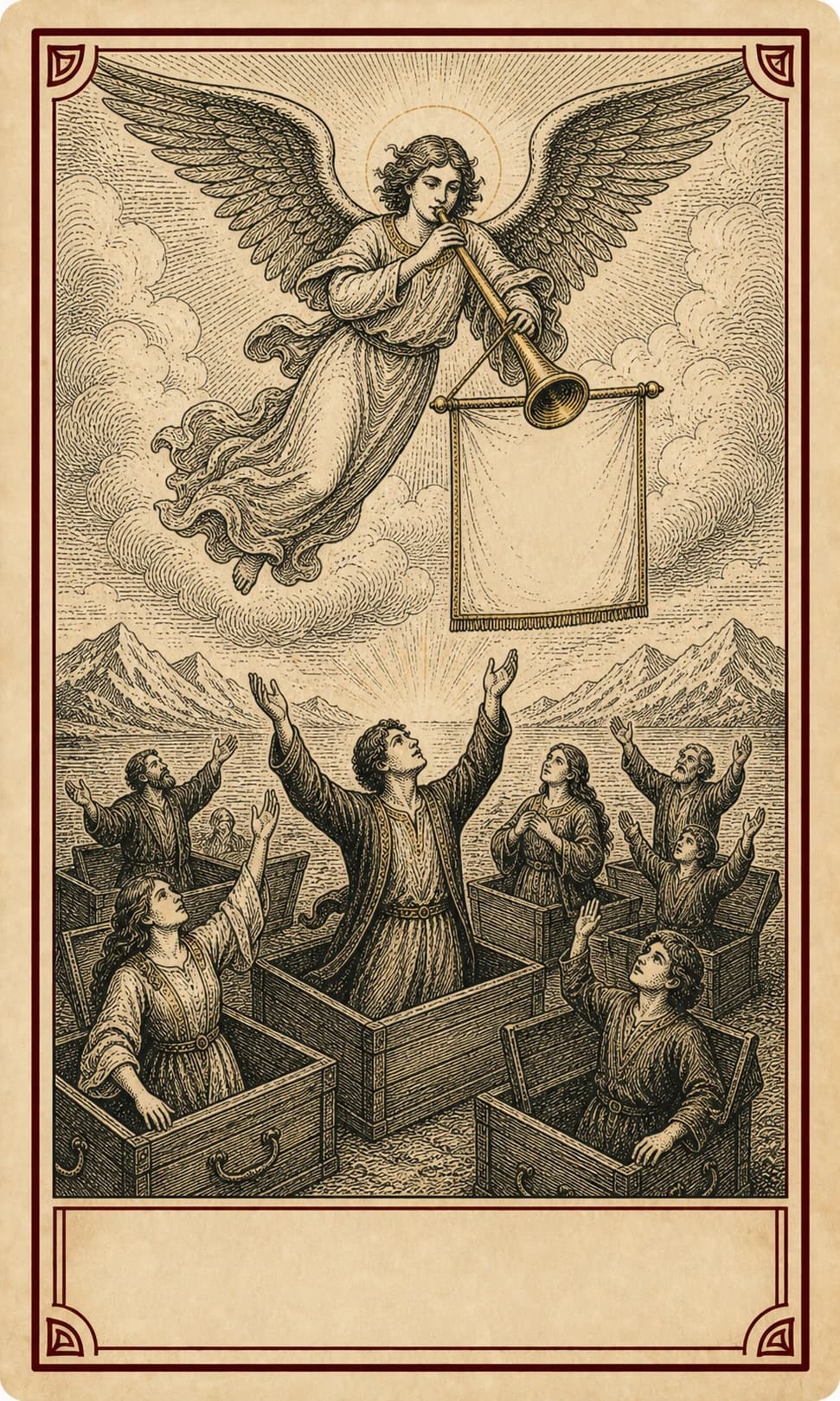
- Judgement represents an honest review of what has been done and a decision to respond differently with that knowledge.
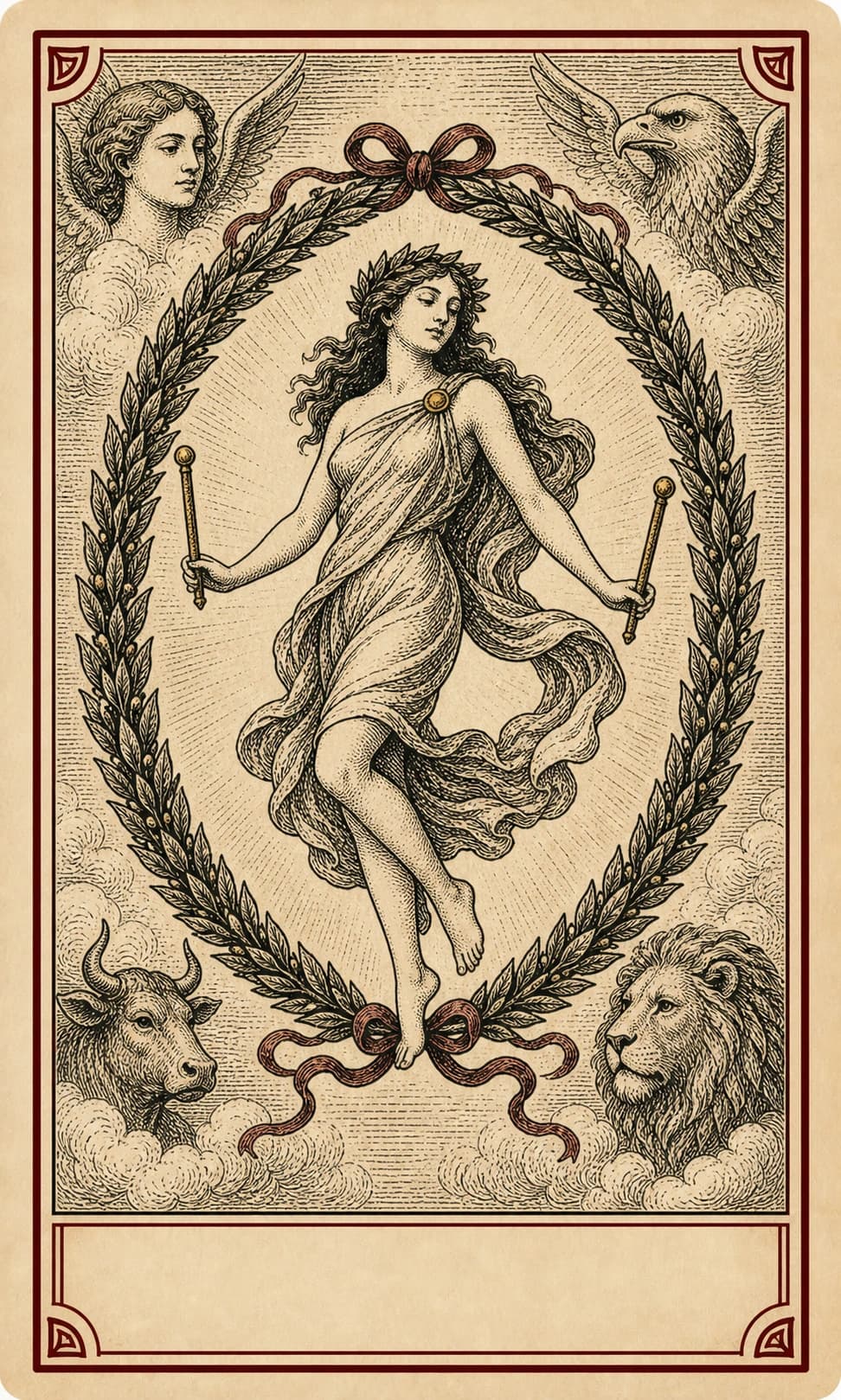
- The World marks a cycle brought to meaningful completion through integration of its different lessons and parts.
Minor Arcana card list
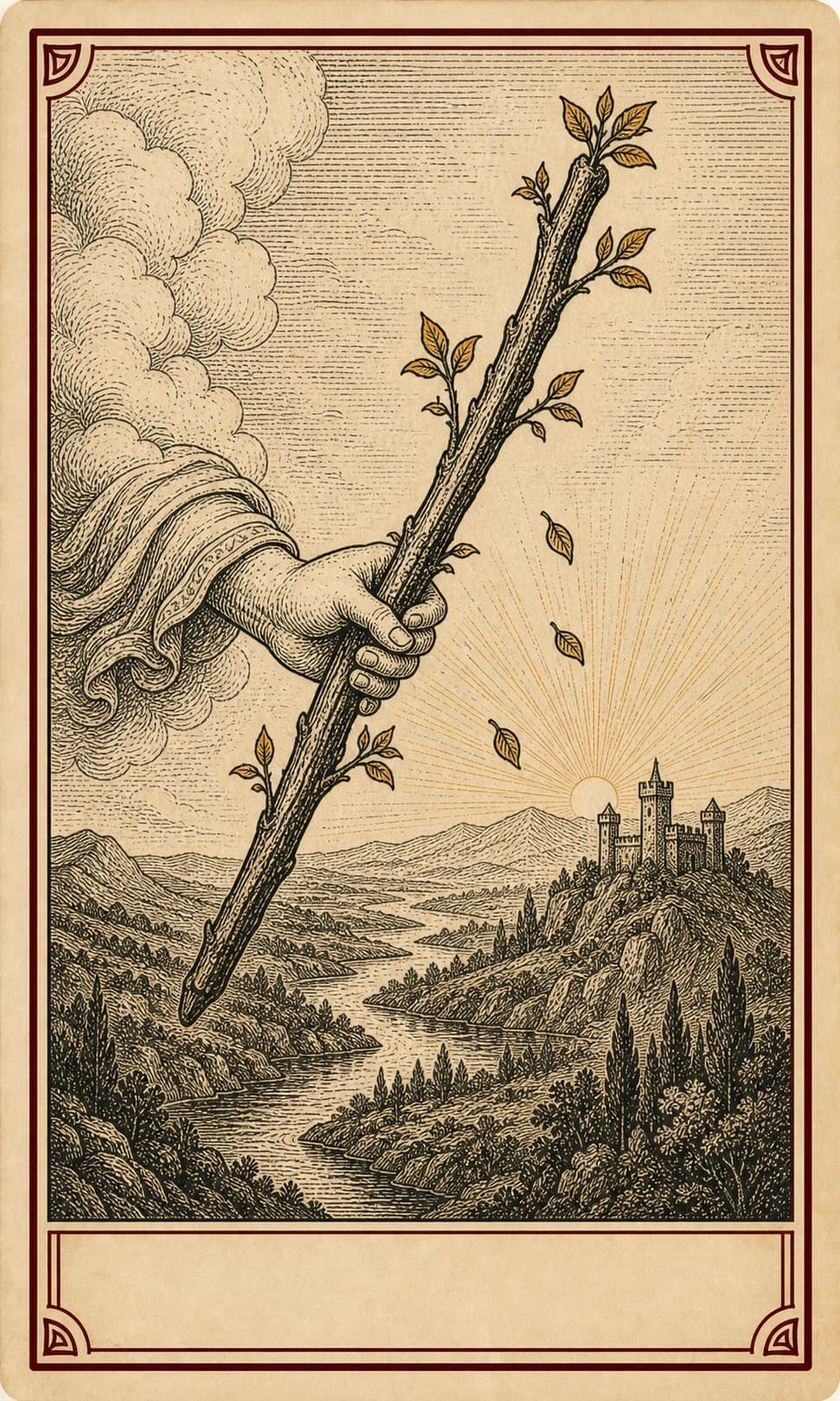
- The Ace of Wands brings a fresh impulse to create, explore, or begin purposeful action.
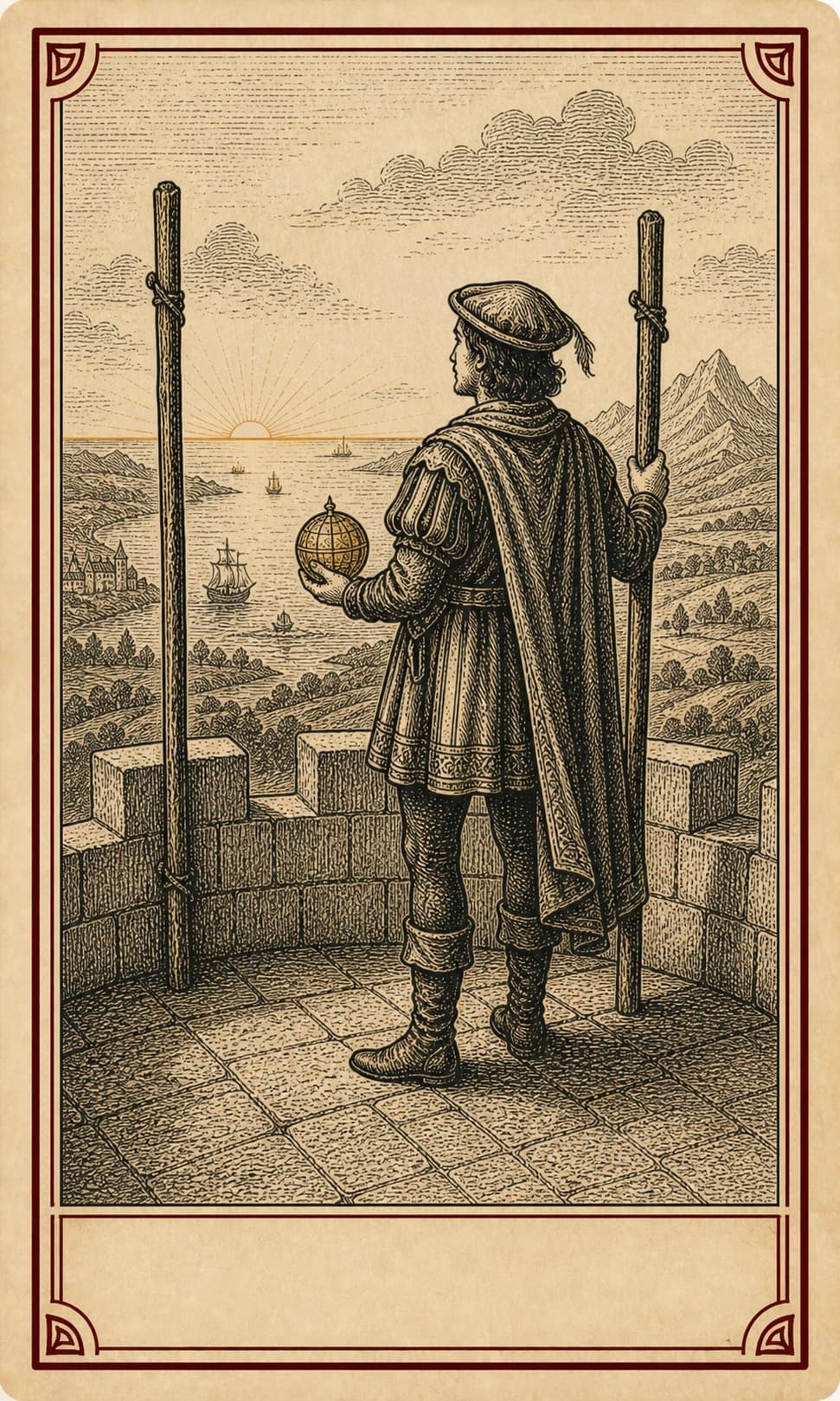
- The Two of Wands concerns choosing a direction after the first spark has revealed more than one possibility.
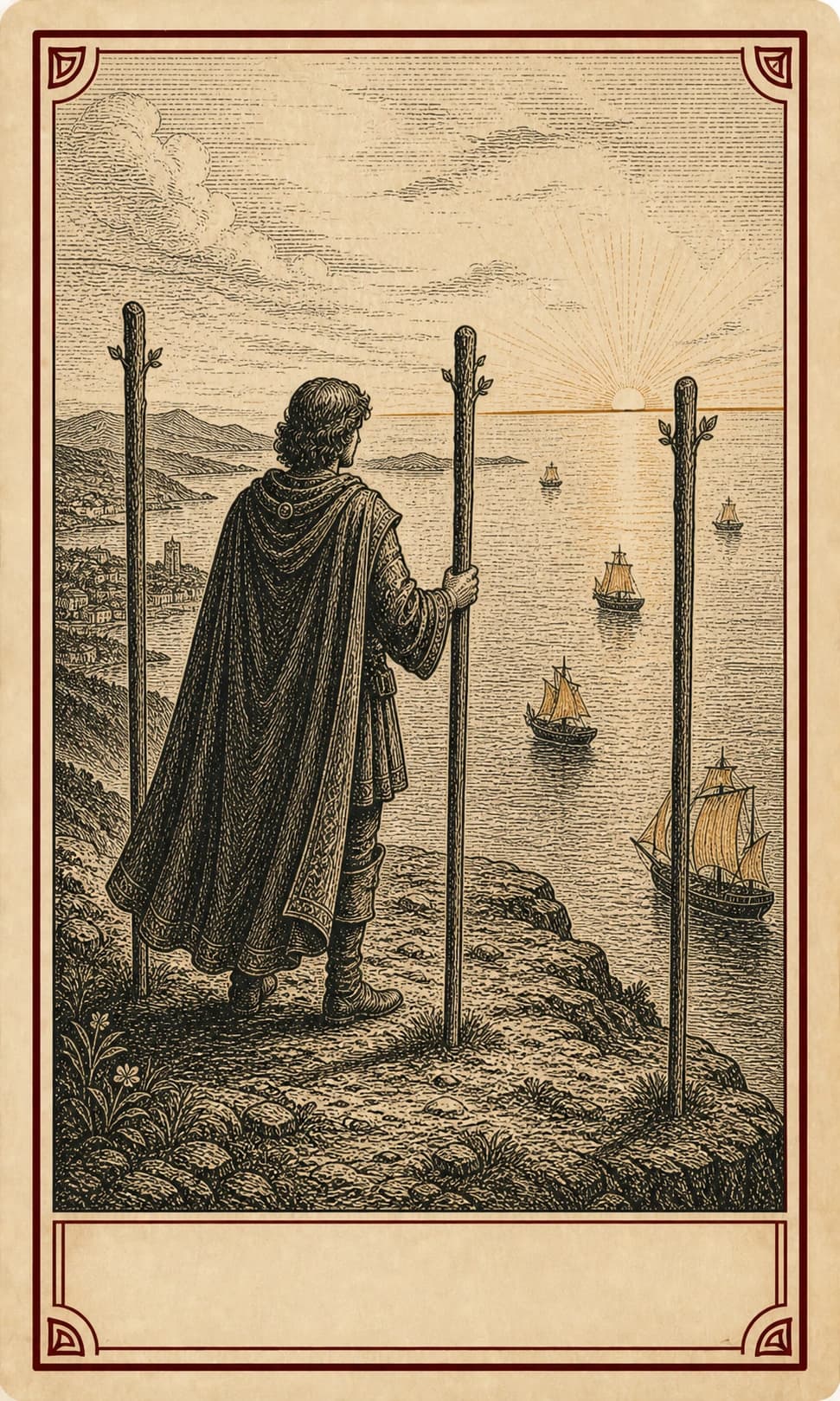
- The Three of Wands shows effort moving beyond preparation as results, partners, or wider possibilities come into view.
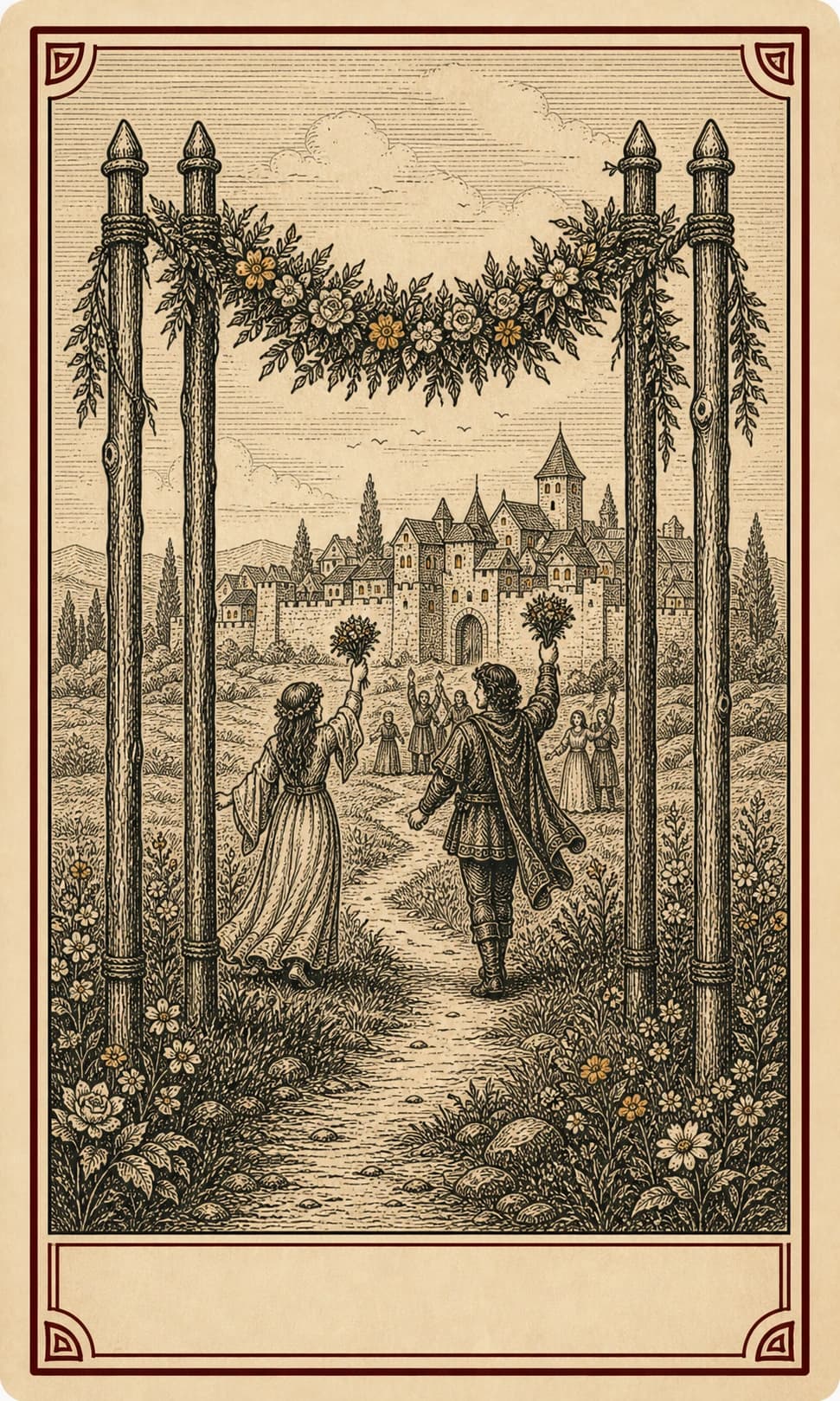
- The Four of Wands marks a milestone supported by community, welcome, or a dependable shared foundation.
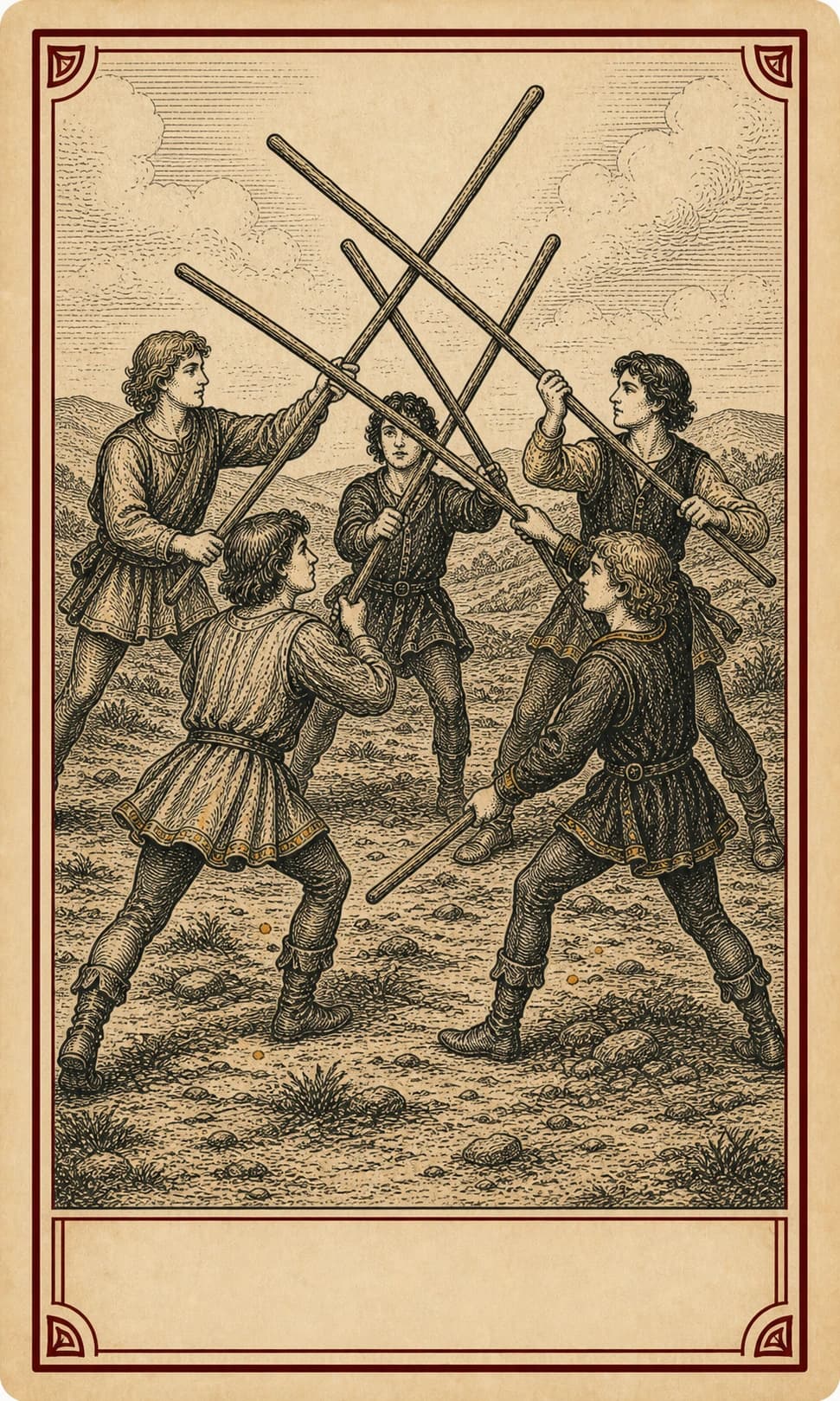
- The Five of Wands depicts multiple efforts colliding without a shared method, producing competition or noisy conflict.
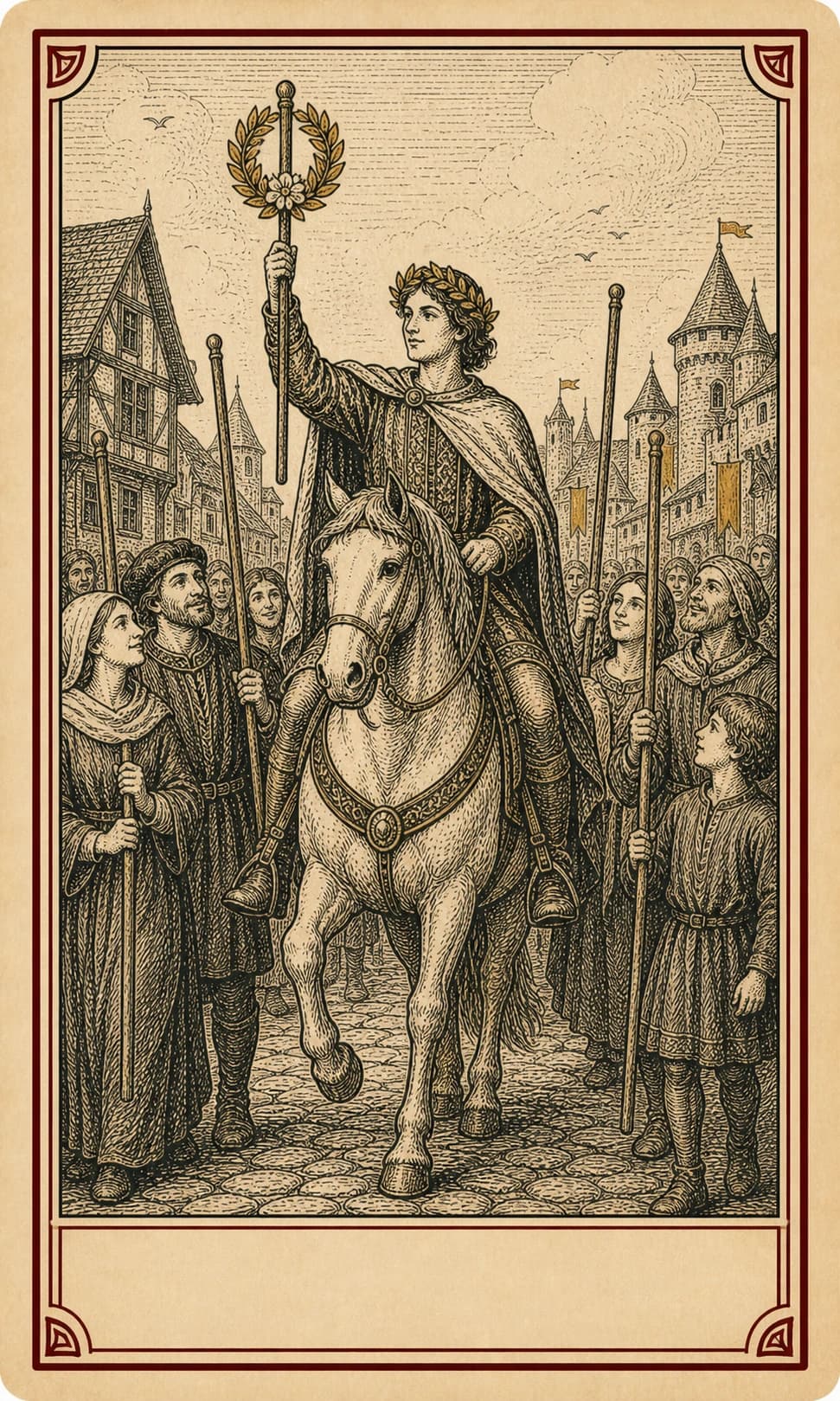
- The Six of Wands represents progress that is visible and acknowledged by others.
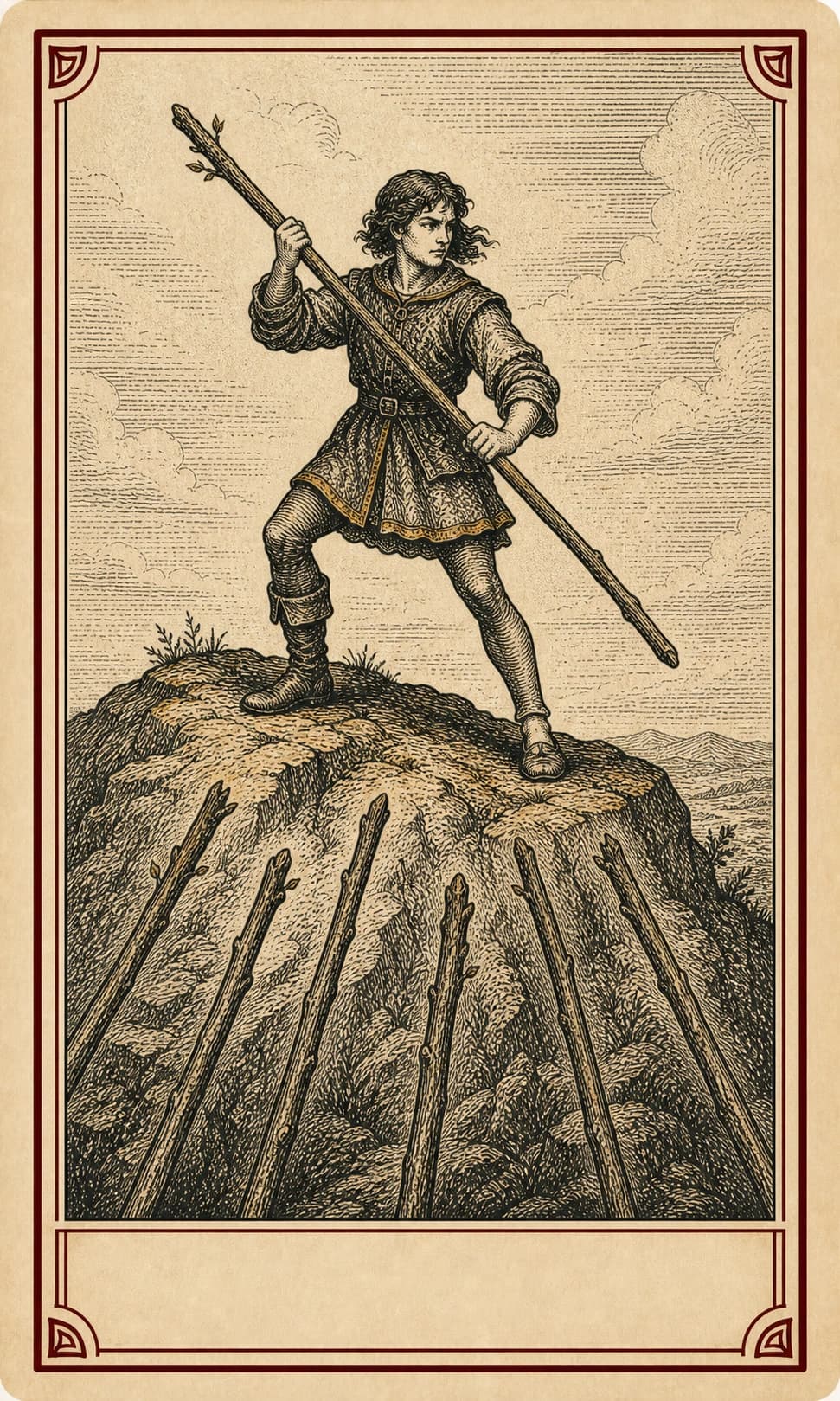
- The Seven of Wands asks for a clear defence of a position under pressure or competition.
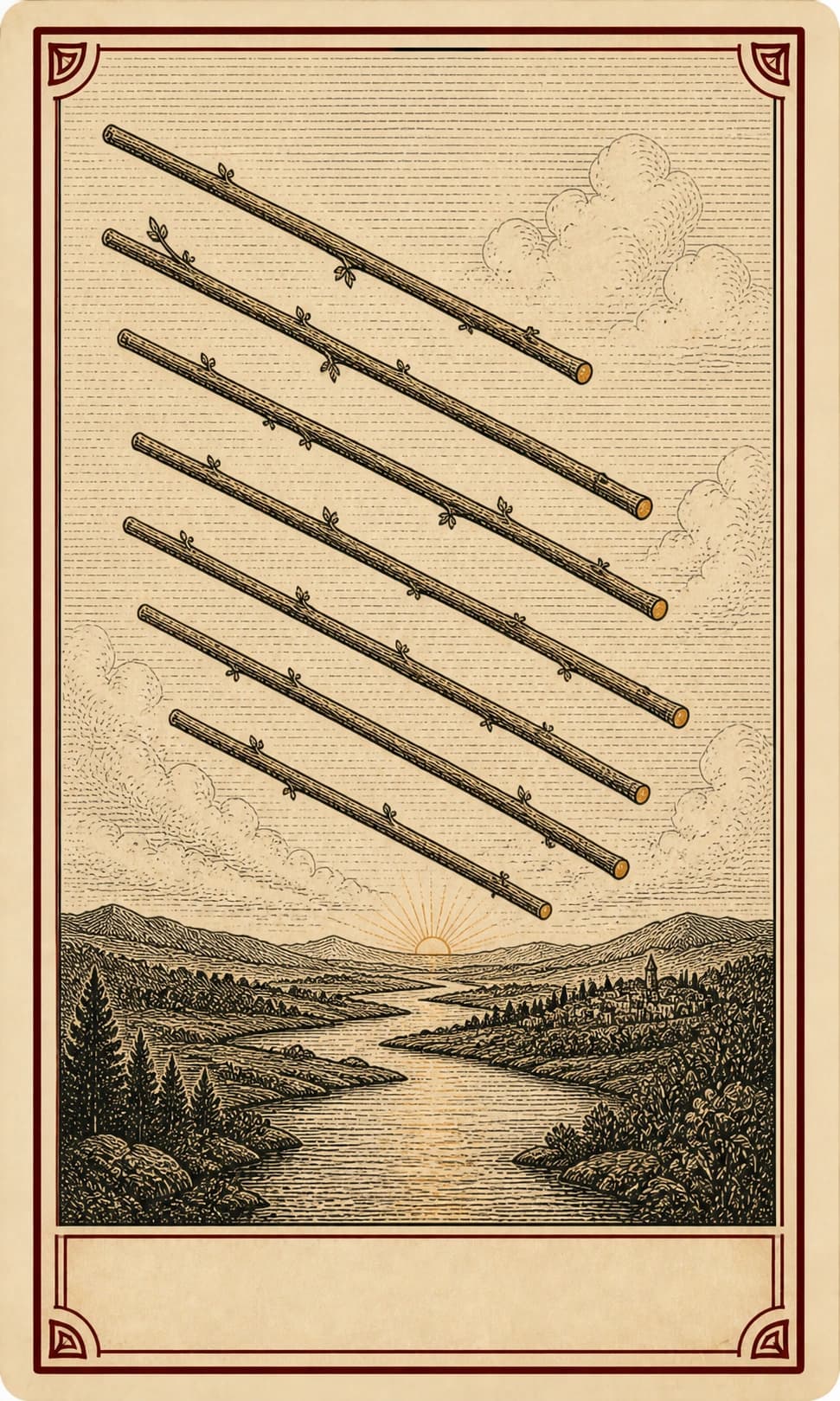
- The Eight of Wands indicates several moving parts aligning so that information or action can travel quickly.
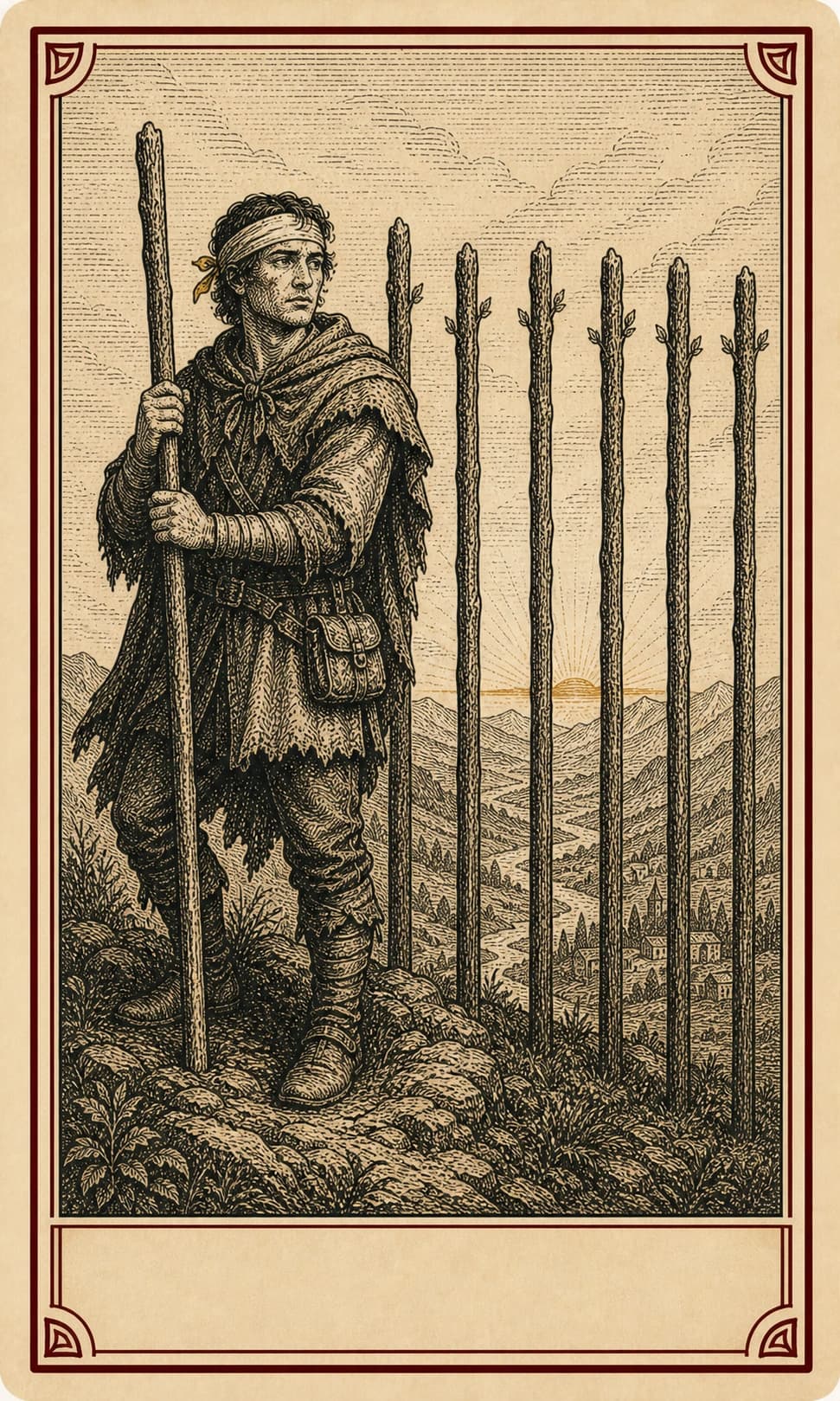
- The Nine of Wands reflects experience gained through difficulty and readiness to protect what remains important.
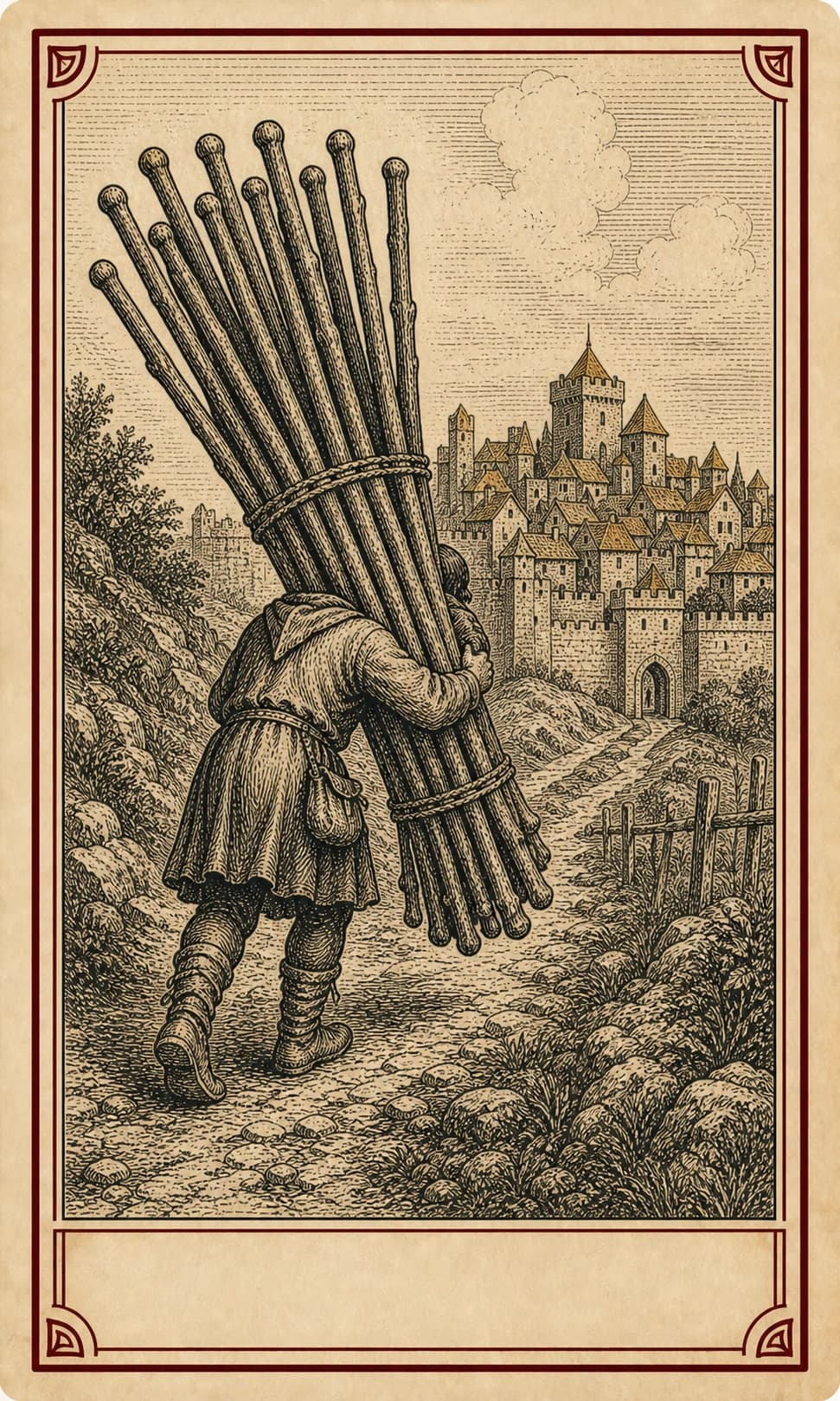
- The Ten of Wands shows a goal carried forward under the weight of too many responsibilities.
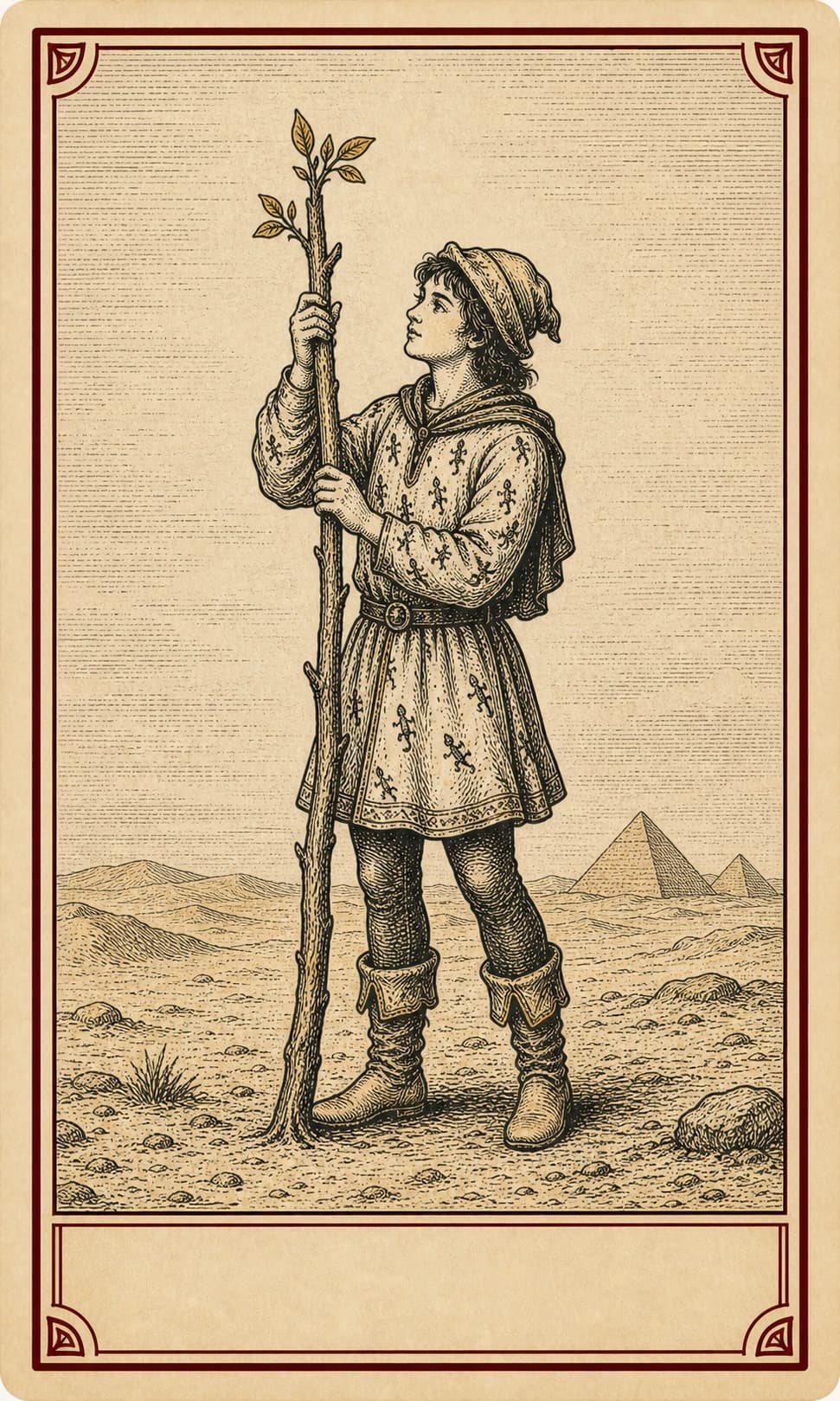
- The Page of Wands approaches a new interest with curiosity, enthusiasm, and willingness to experiment.
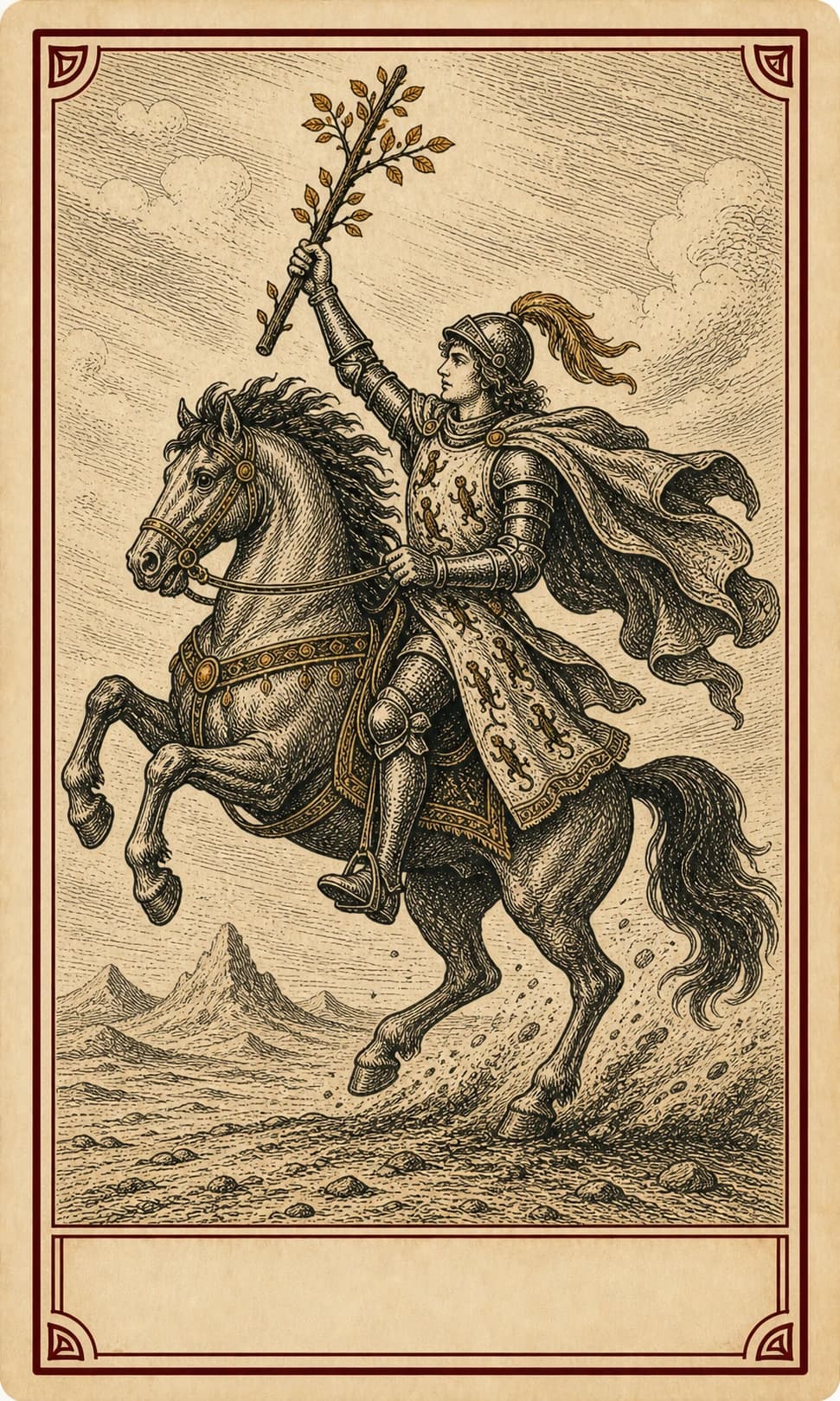
- The Knight of Wands brings bold movement, appetite for experience, and readiness to pursue a compelling goal.
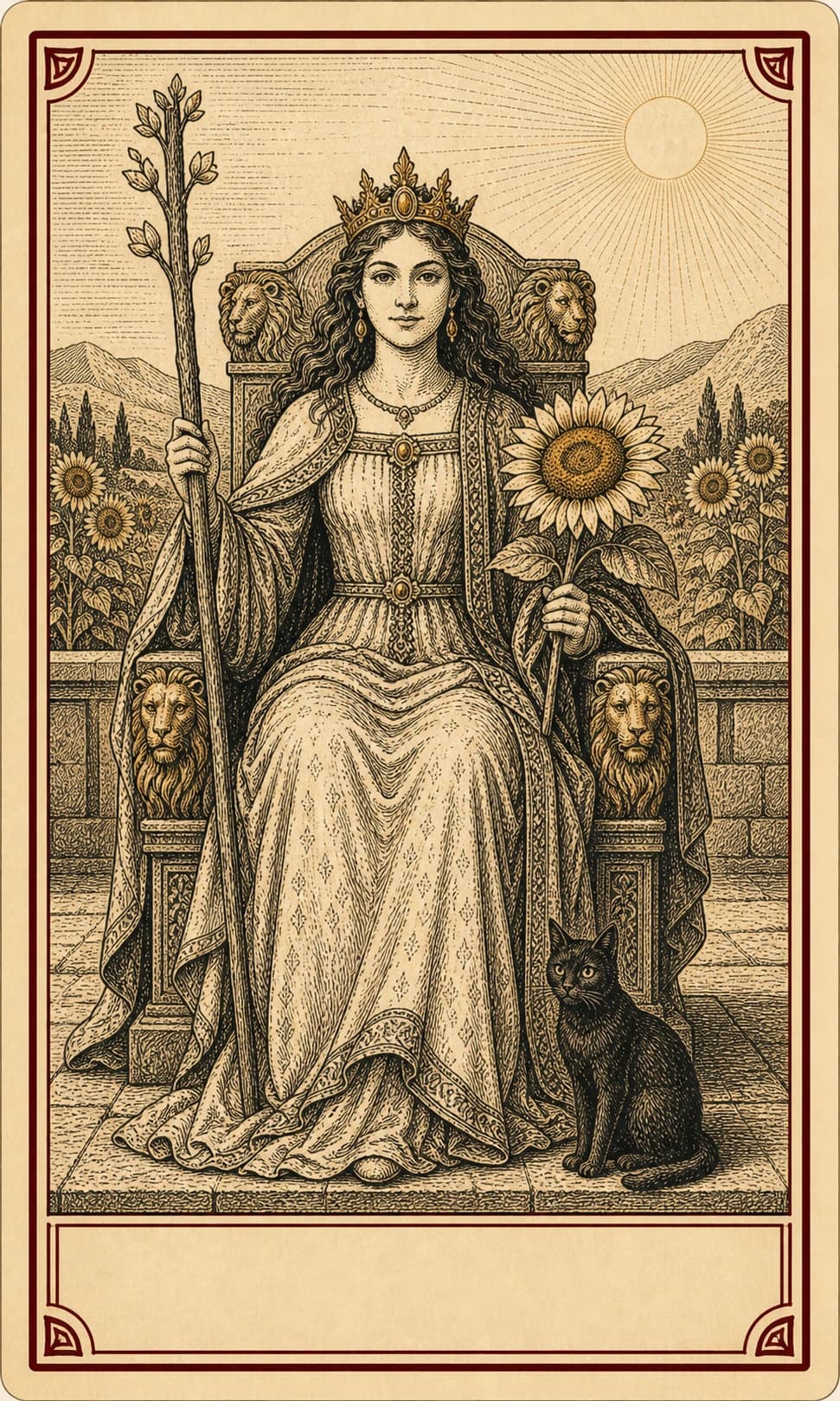
- The Queen of Wands combines visible confidence with warmth, independence, and an ability to encourage others.
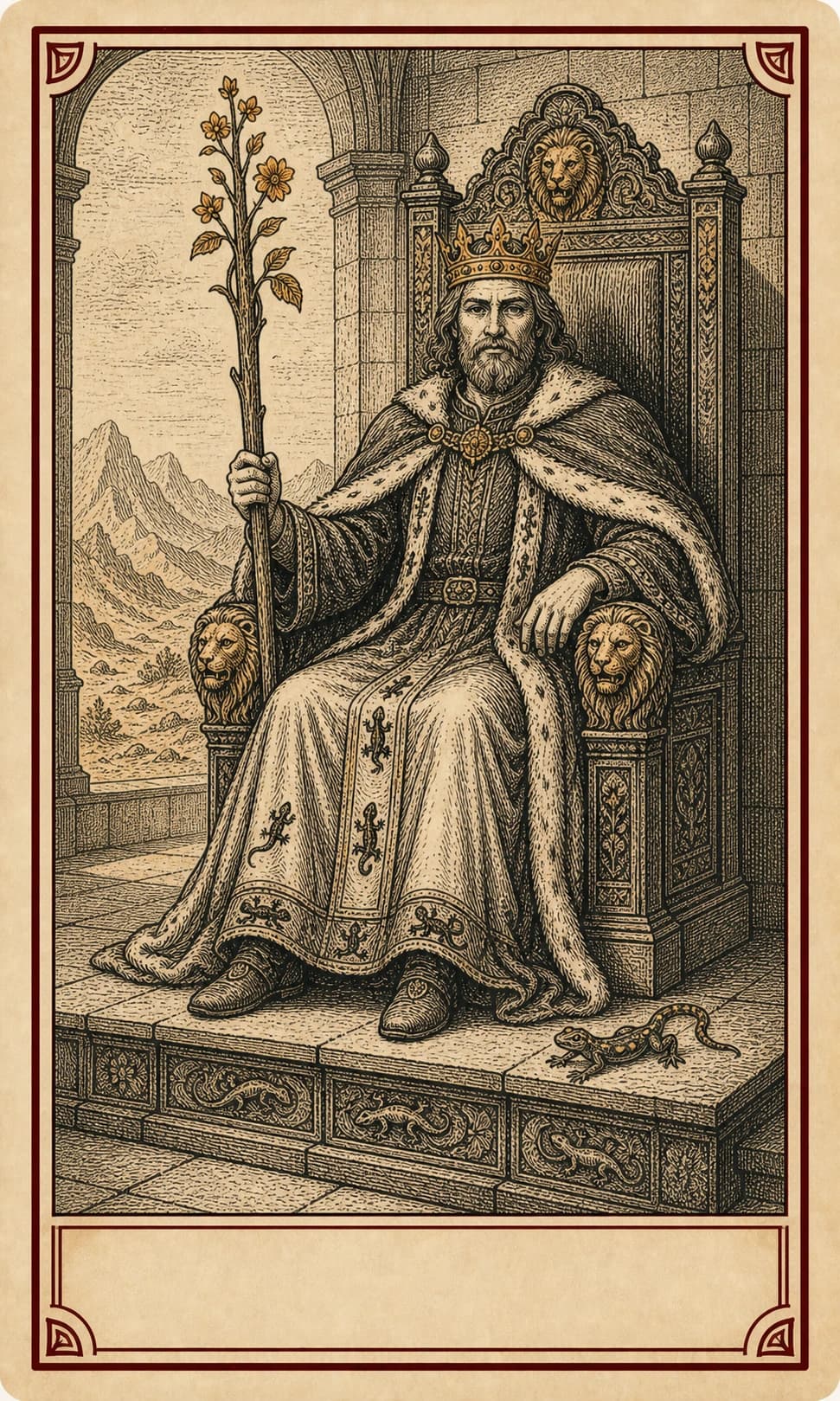
- The King of Wands turns a broad vision into direction that others can understand and act upon.
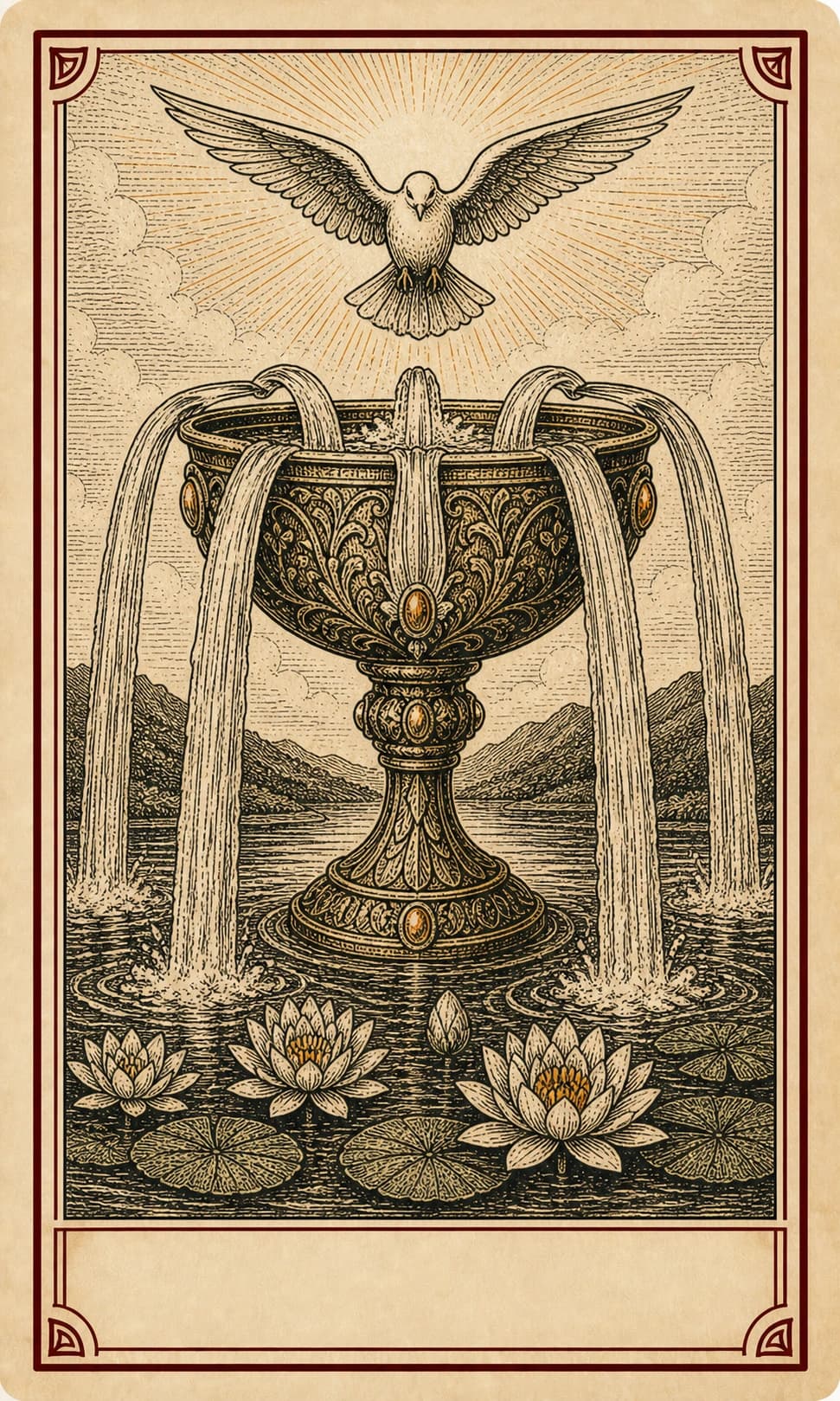
- The Ace of Cups marks an opening for feeling, care, creativity, or renewed emotional presence.
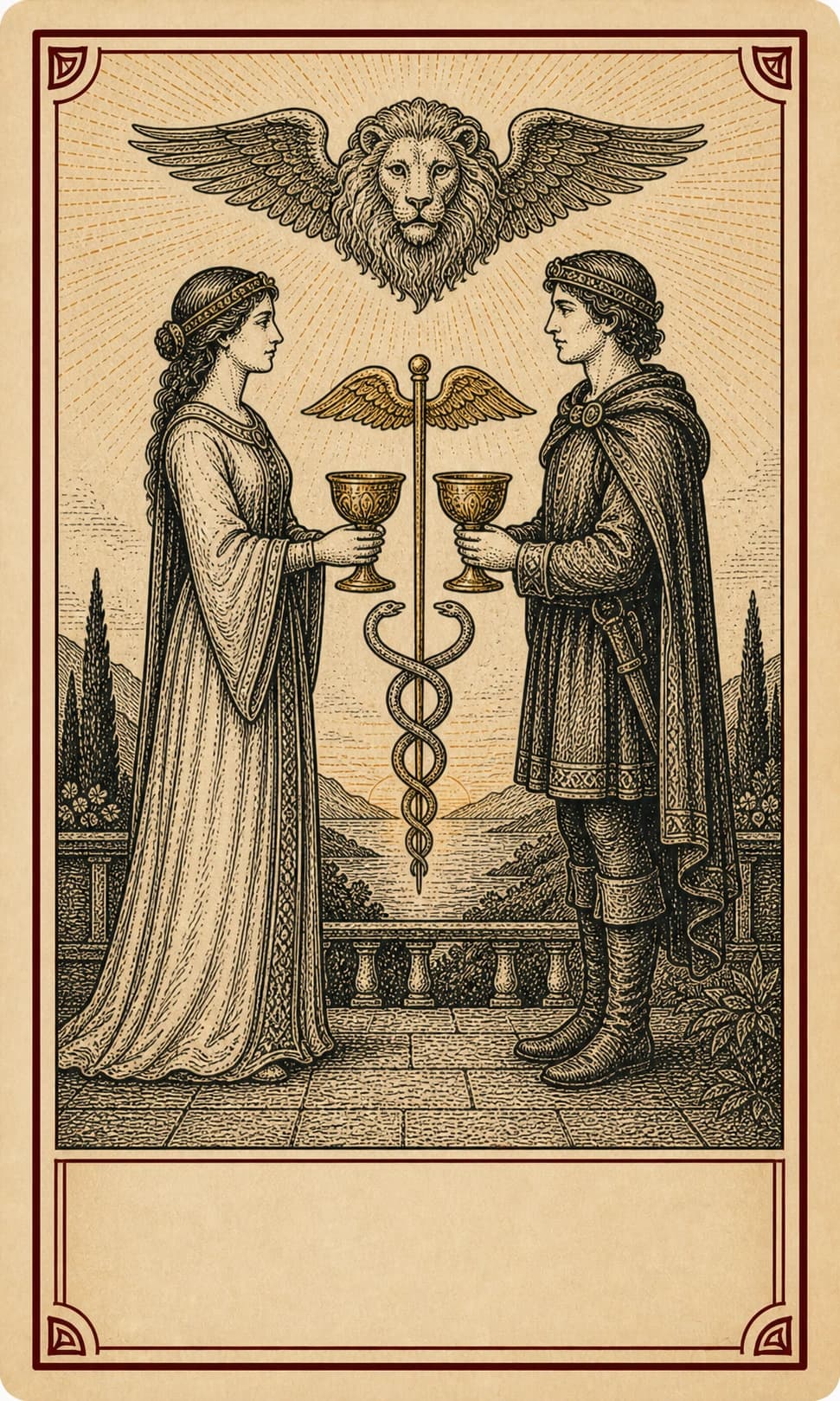
- The Two of Cups represents an exchange in which recognition, interest, or agreement moves both ways.
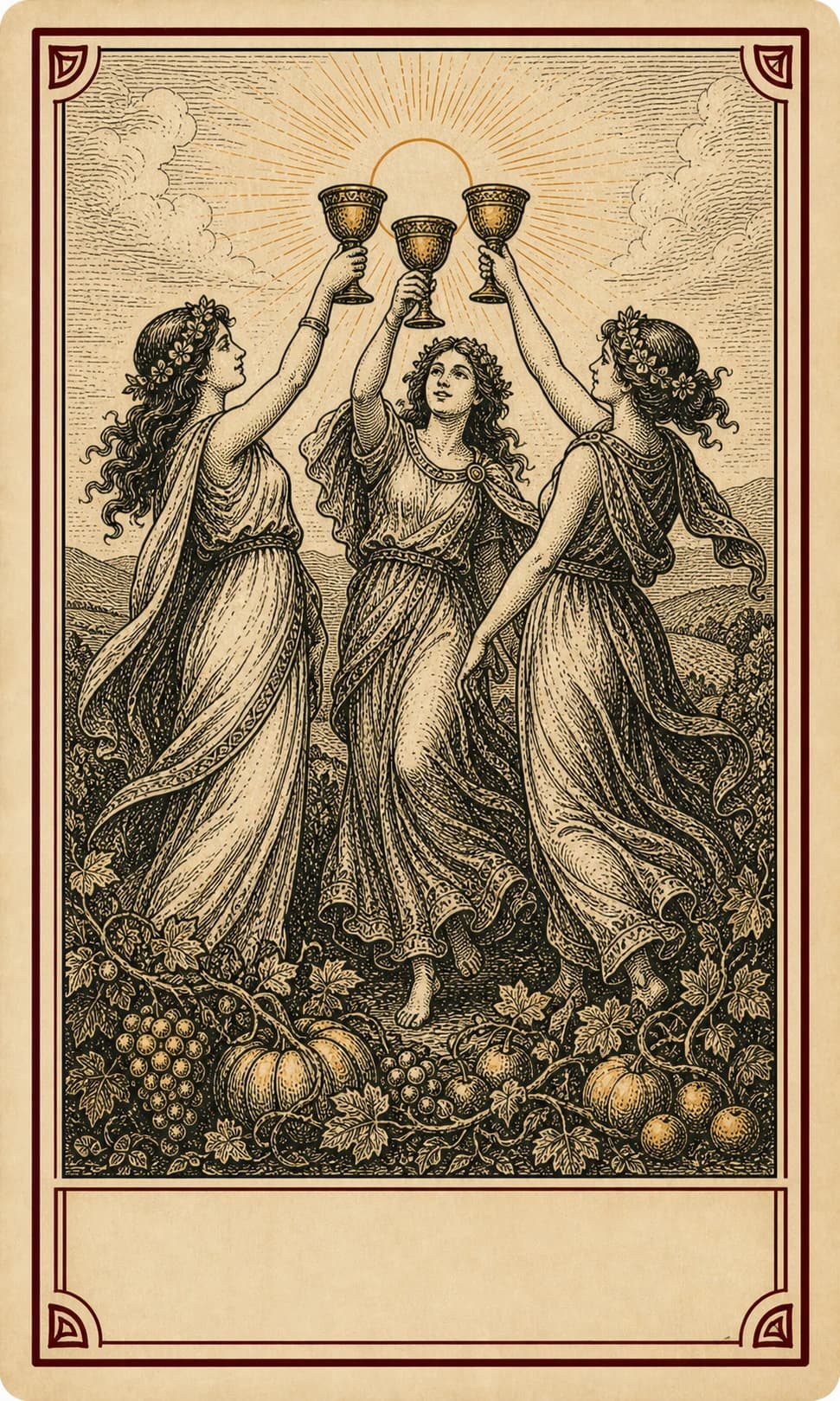
- The Three of Cups celebrates friendship, shared joy, and support that exists beyond one-to-one partnership.
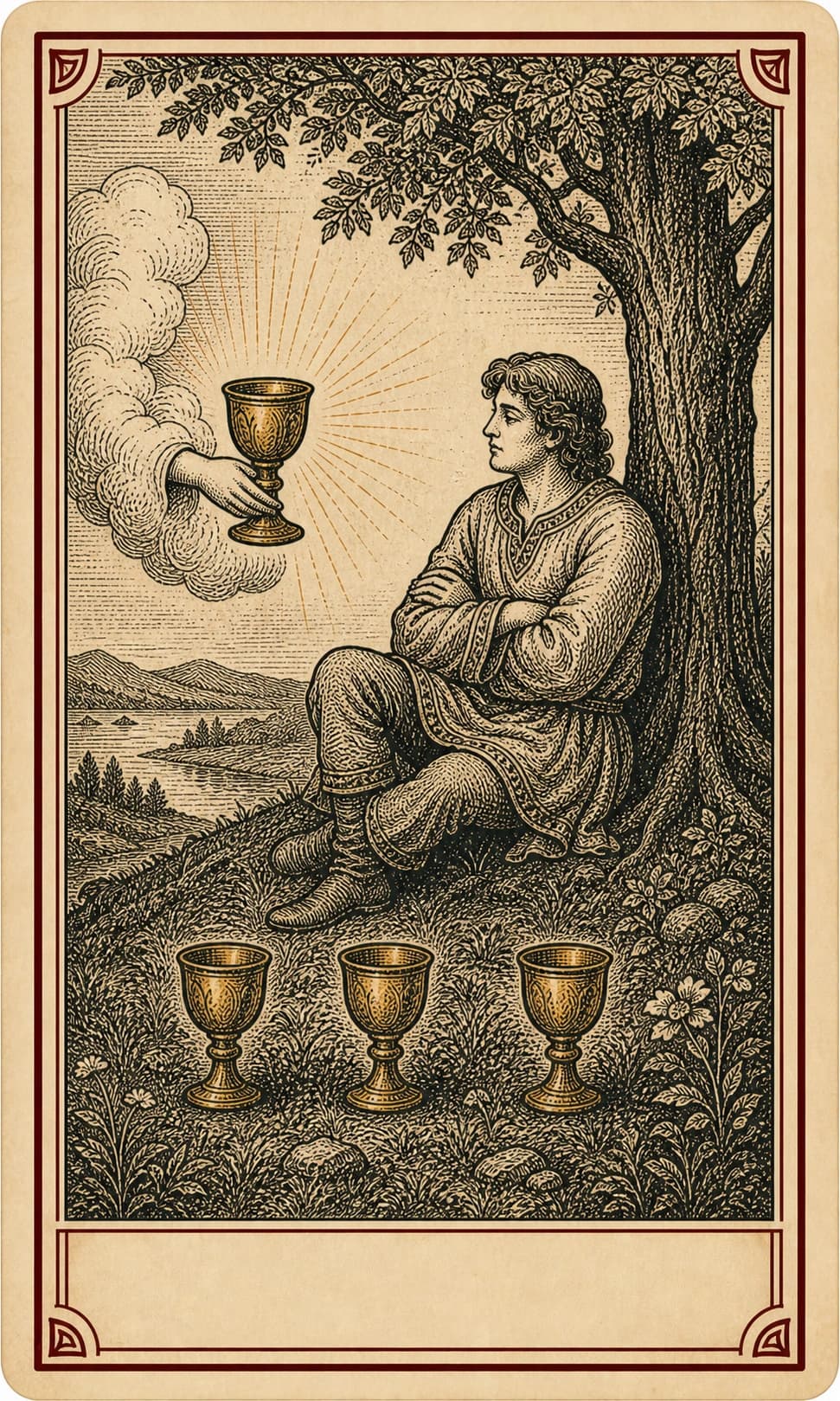
- The Four of Cups shows attention turned inward so strongly that available options may feel uninteresting or go unnoticed.
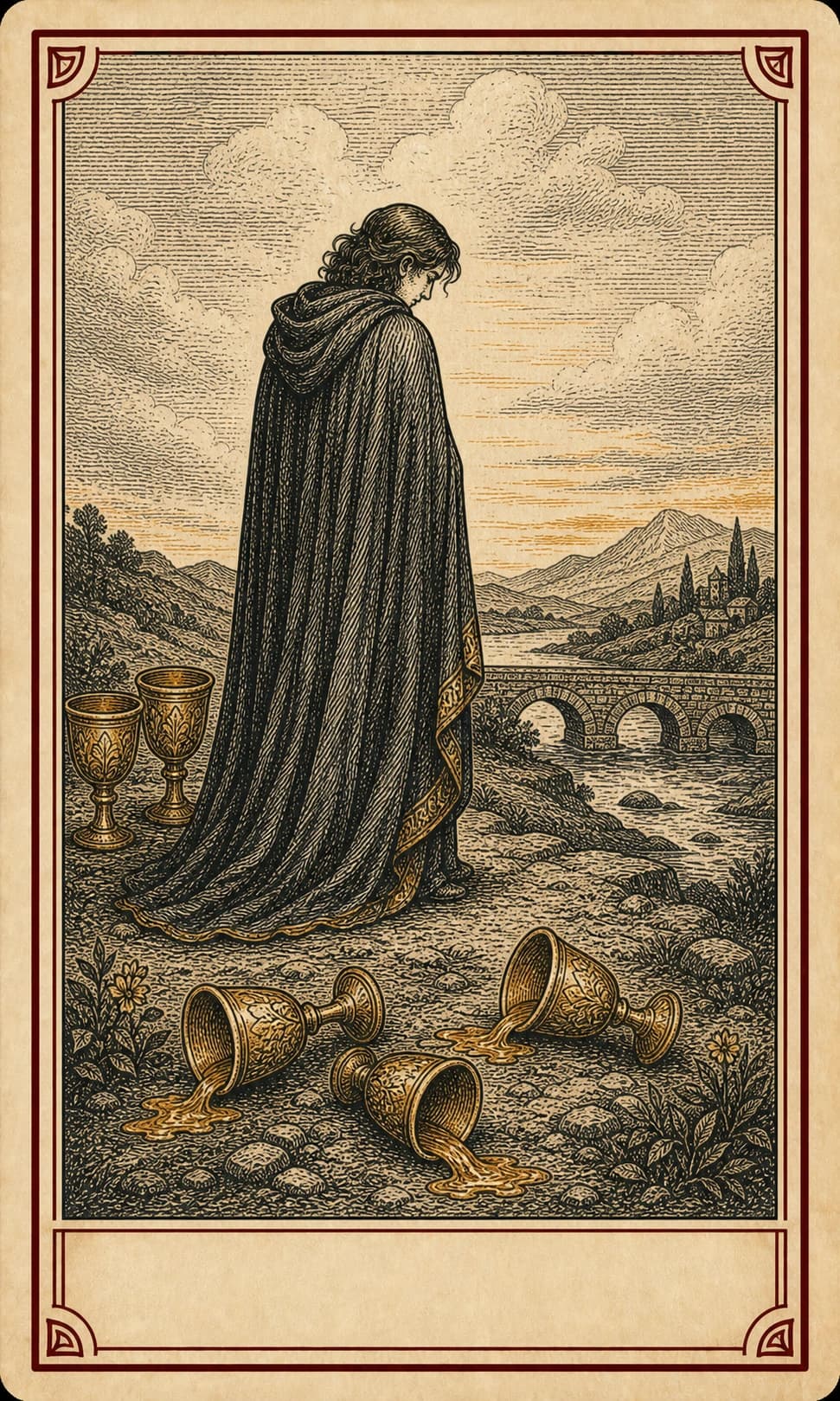
- The Five of Cups acknowledges real loss while showing that grief can narrow attention to what is gone.
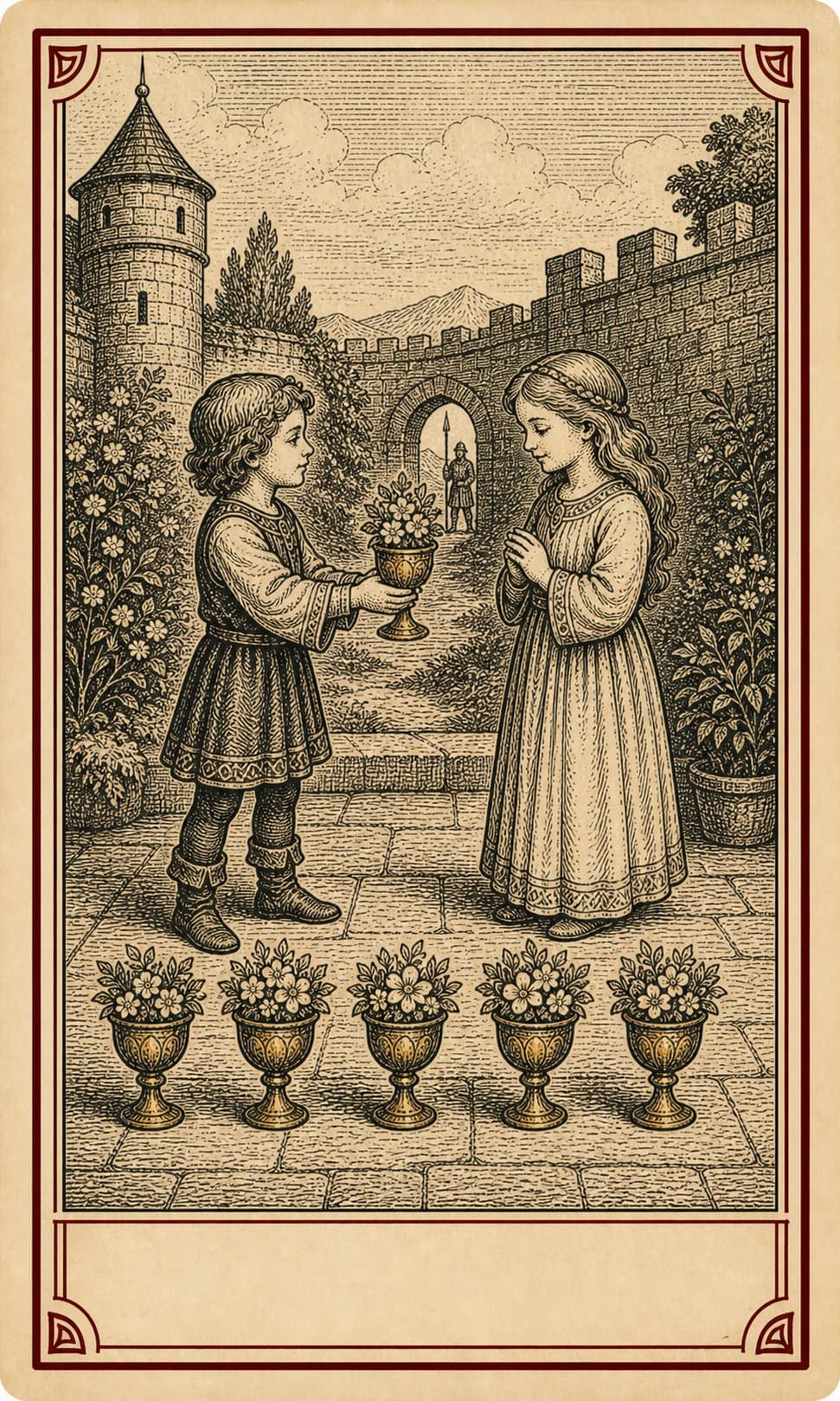
- The Six of Cups connects present feeling with memory, earlier innocence, or simple acts of generosity.
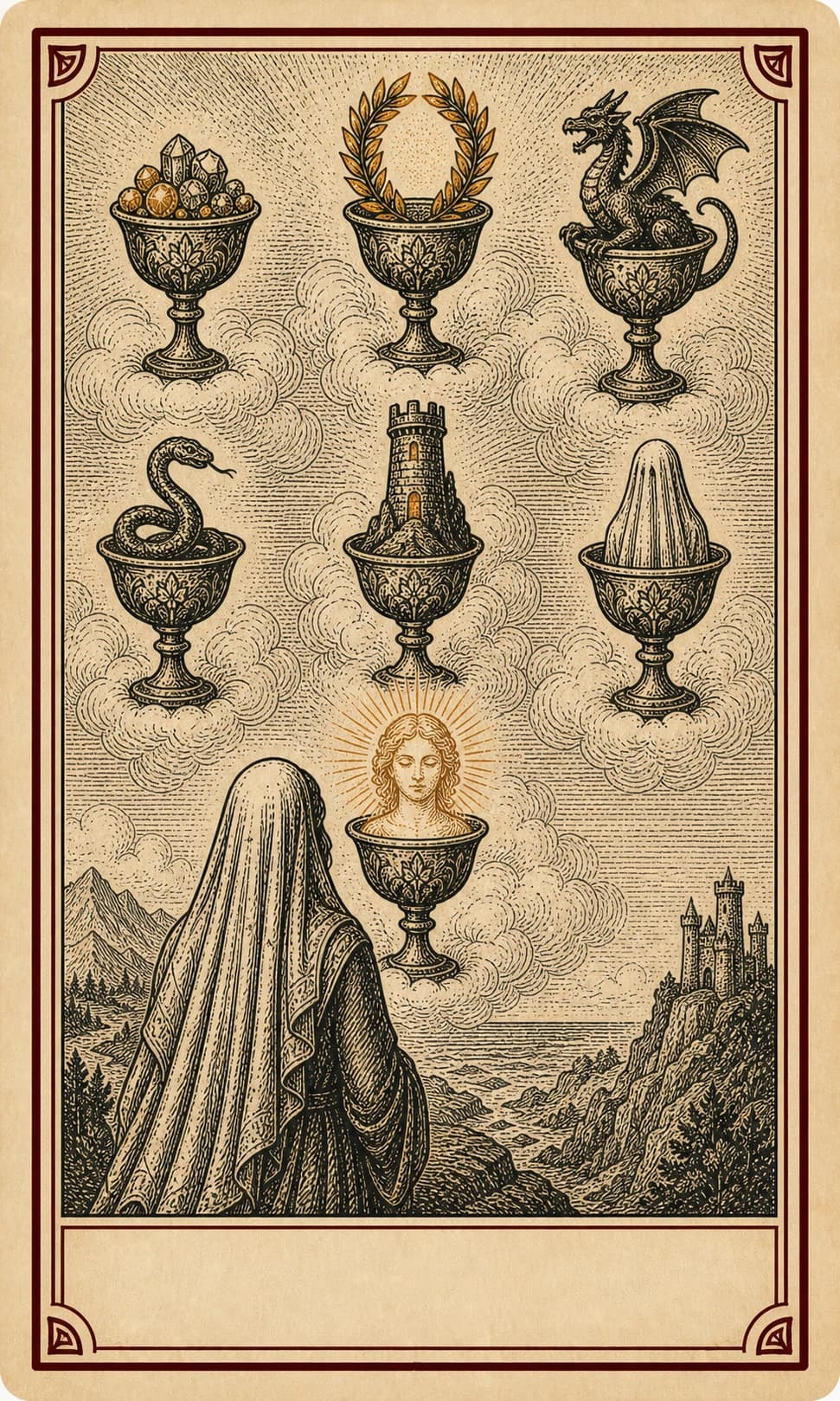
- The Seven of Cups presents many attractive possibilities, some substantial and some shaped mainly by projection.
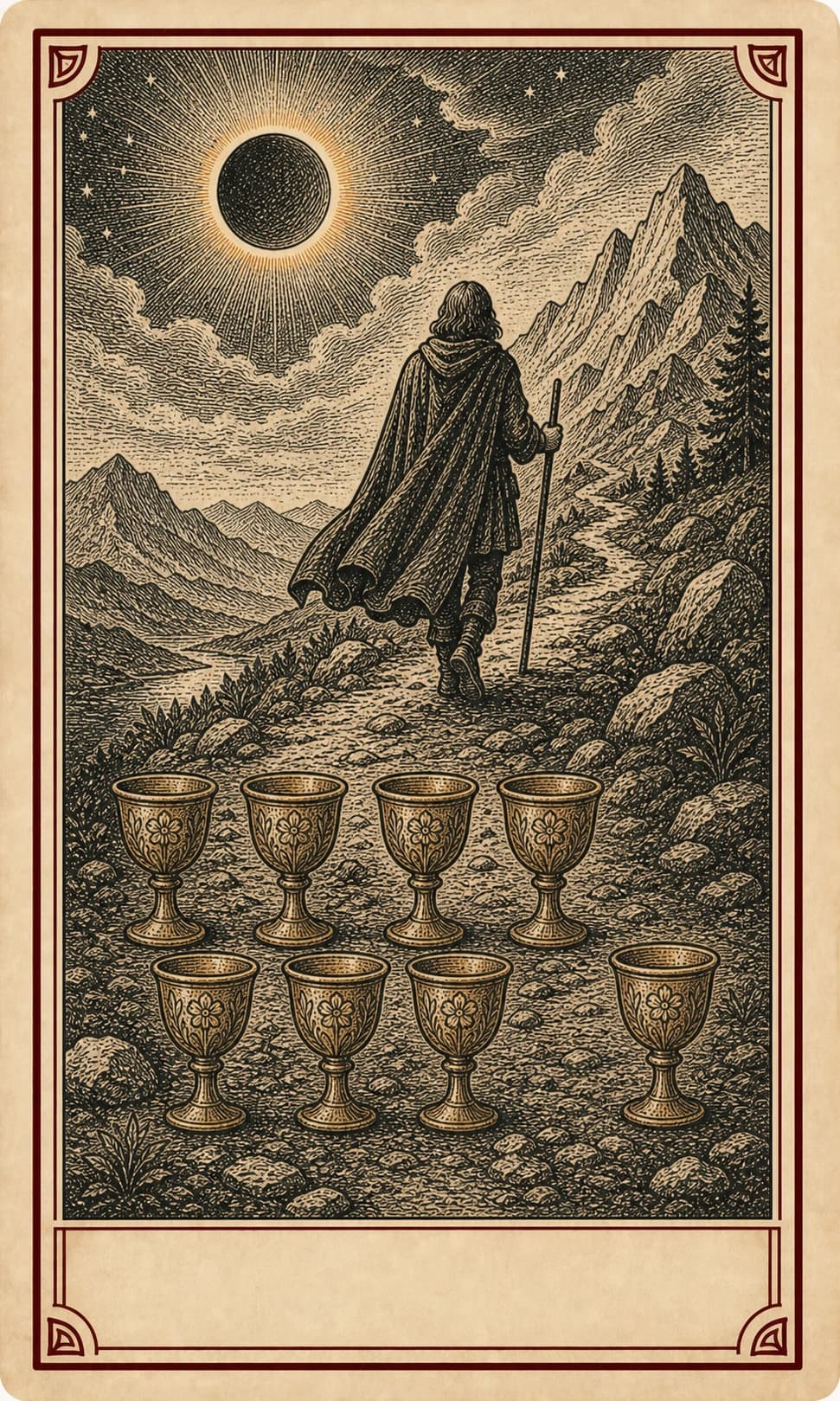
- The Eight of Cups shows a decision to leave something that remains outwardly intact but no longer meets a deeper need.
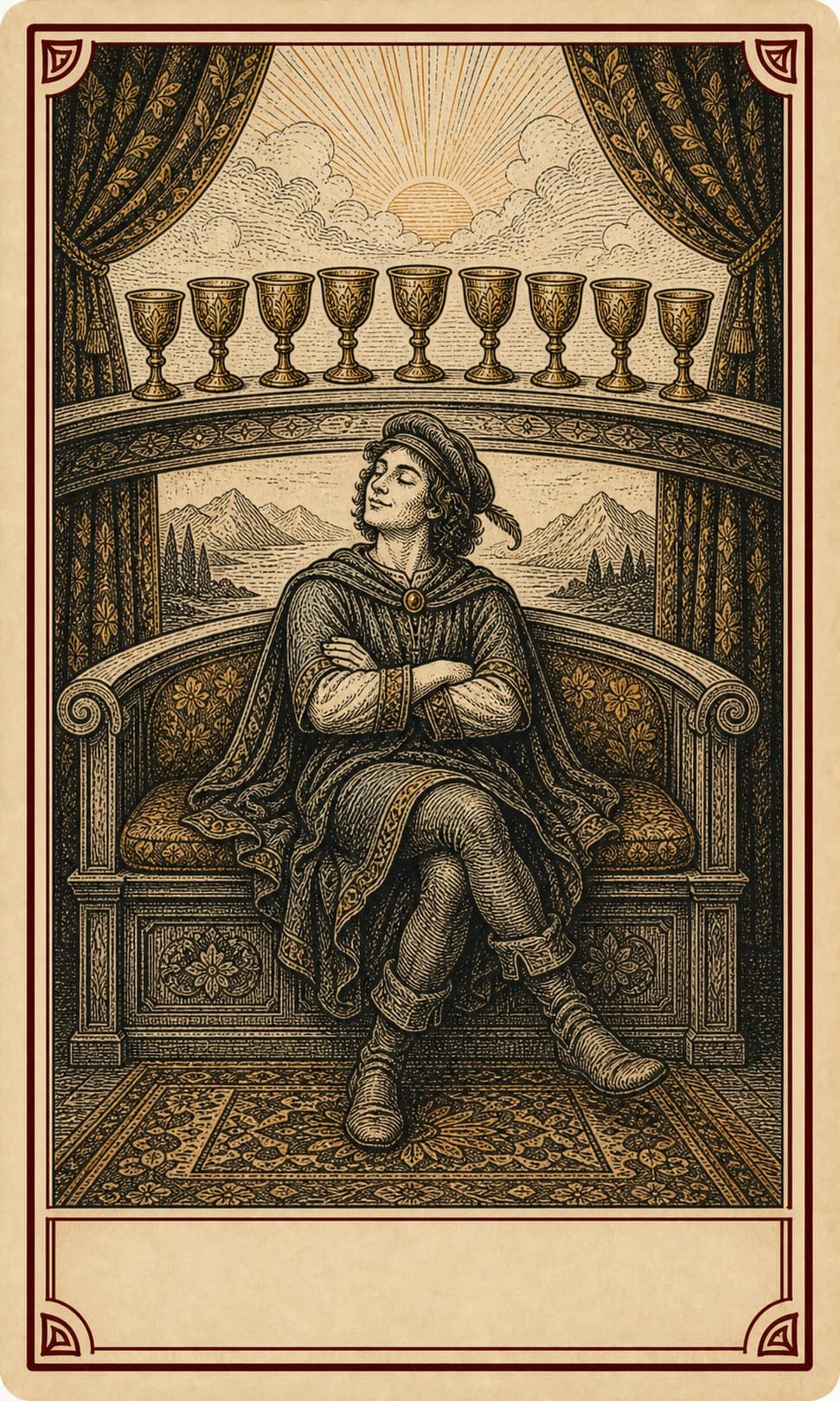
- The Nine of Cups represents satisfaction and the ability to appreciate something desired that is now present.
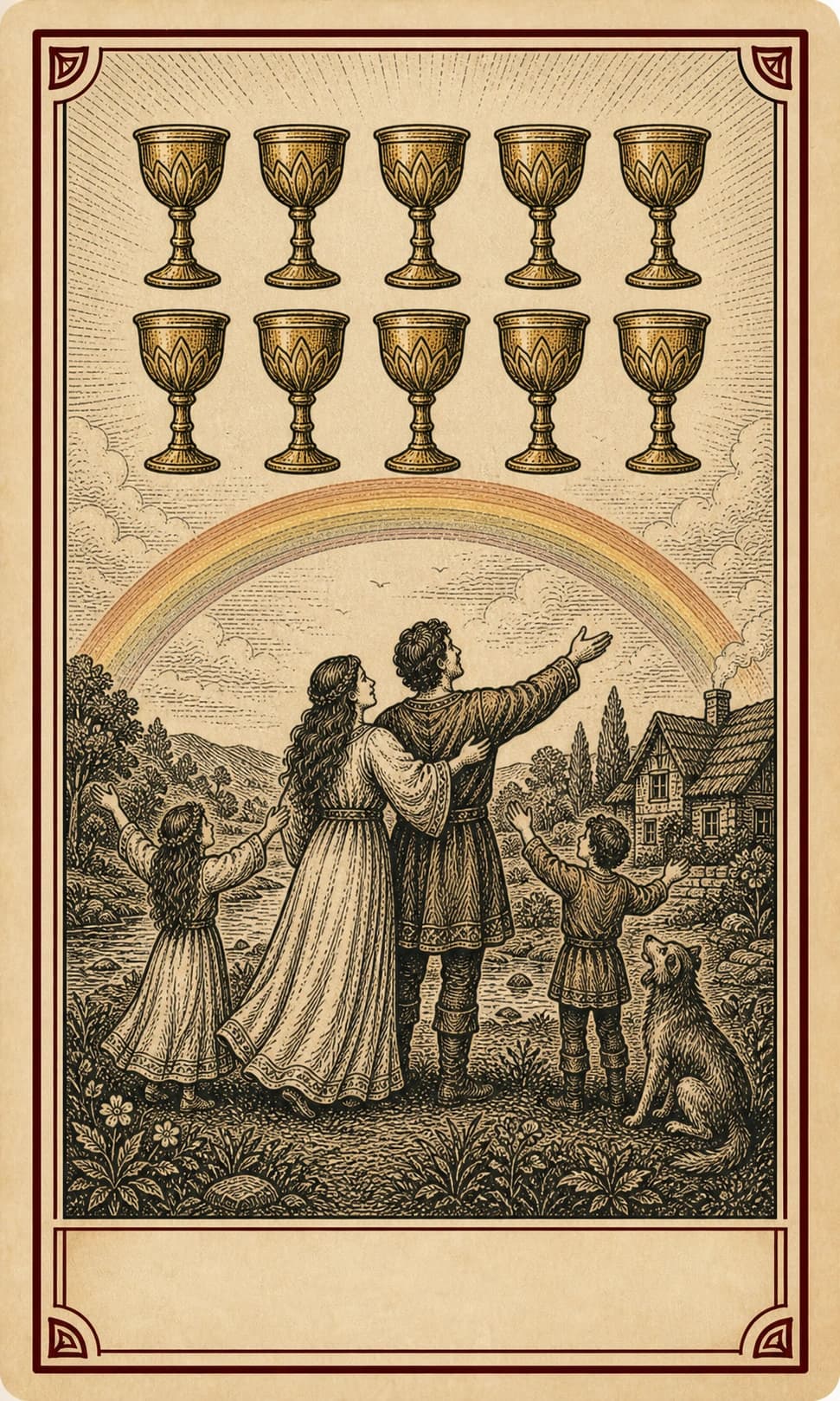
- The Ten of Cups describes emotional wellbeing supported by belonging, shared values, and dependable connection.
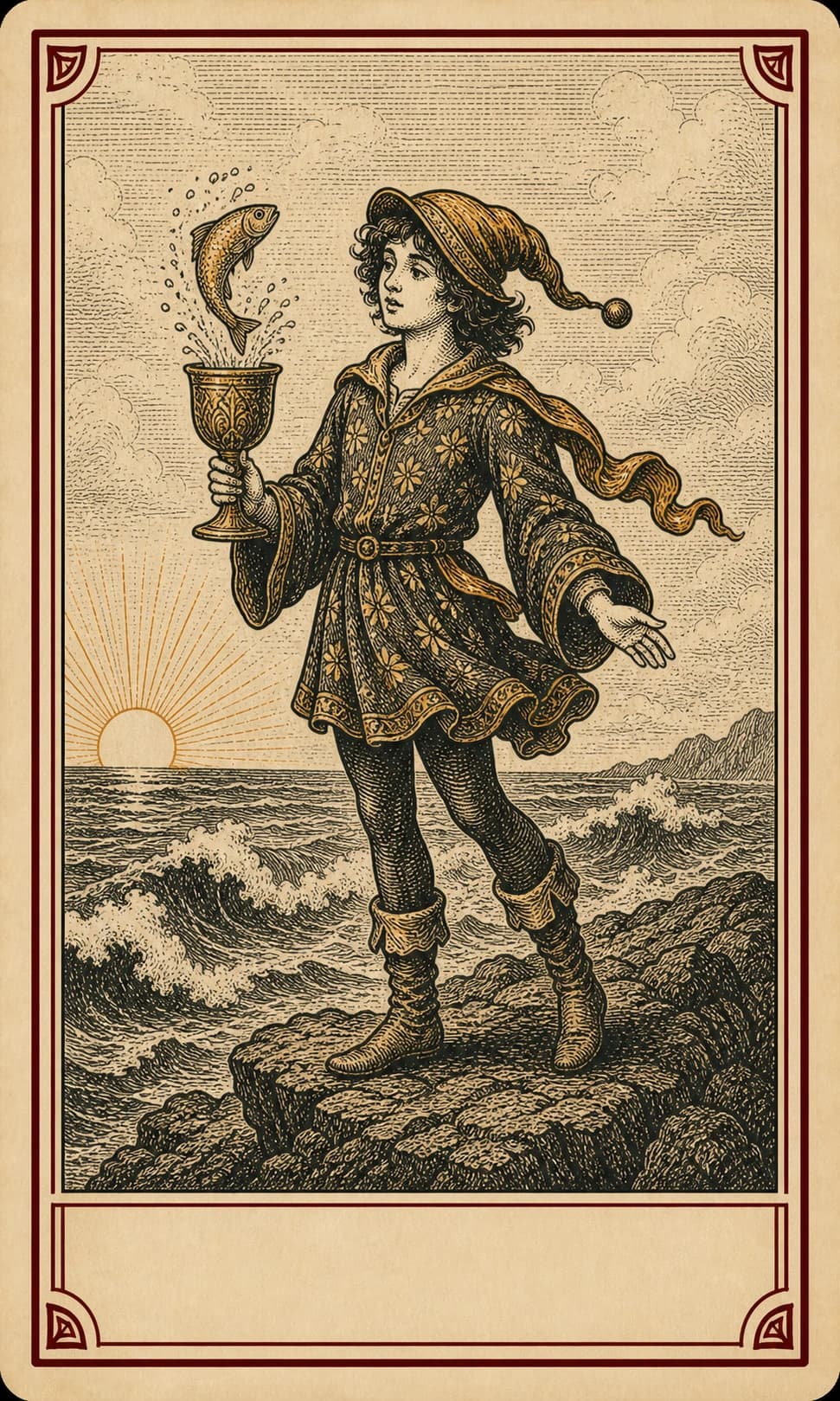
- The Page of Cups brings a feeling, imaginative idea, or unexpected message that deserves curious attention.
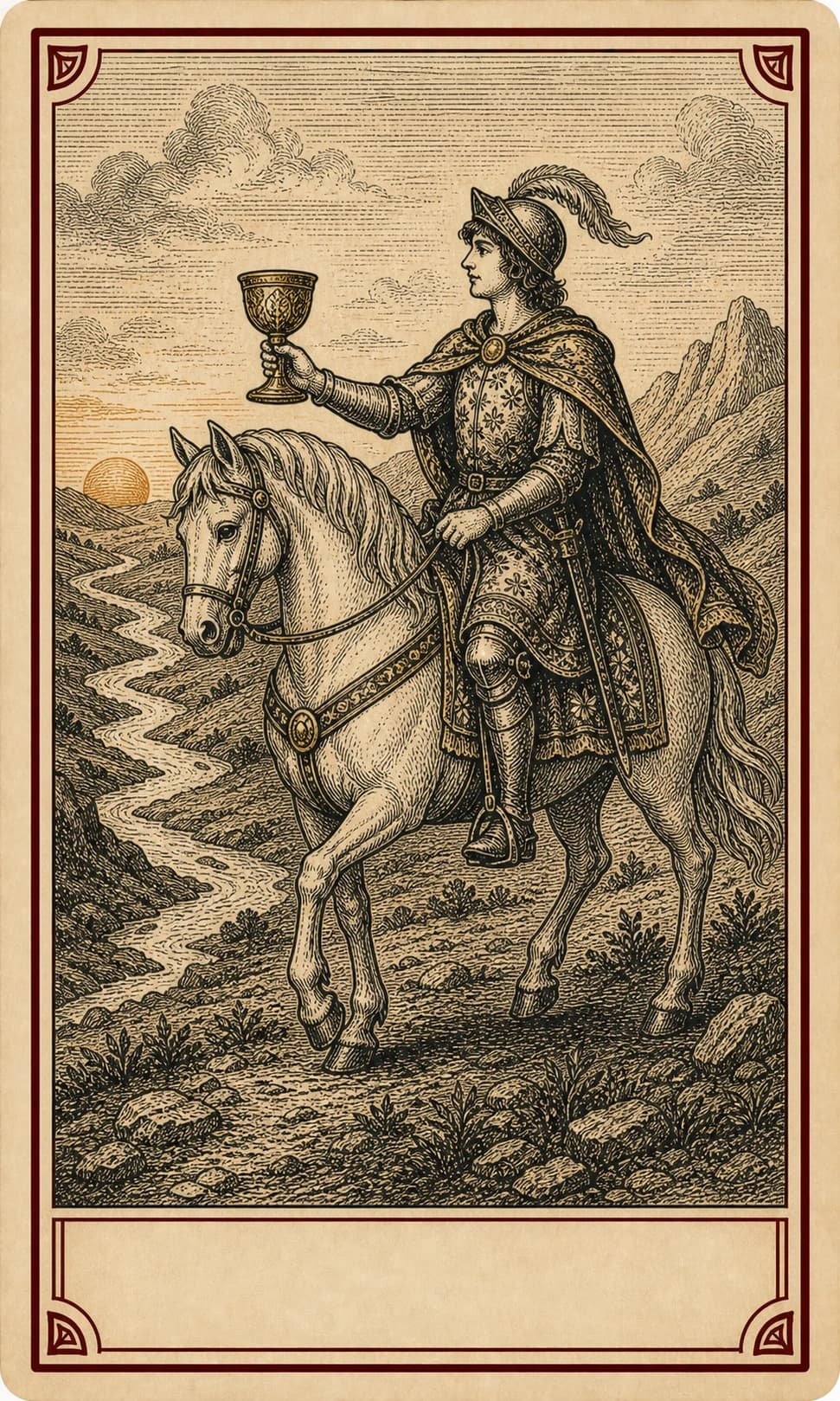
- The Knight of Cups carries an invitation, creative proposal, or ideal pursued through emotional expression.
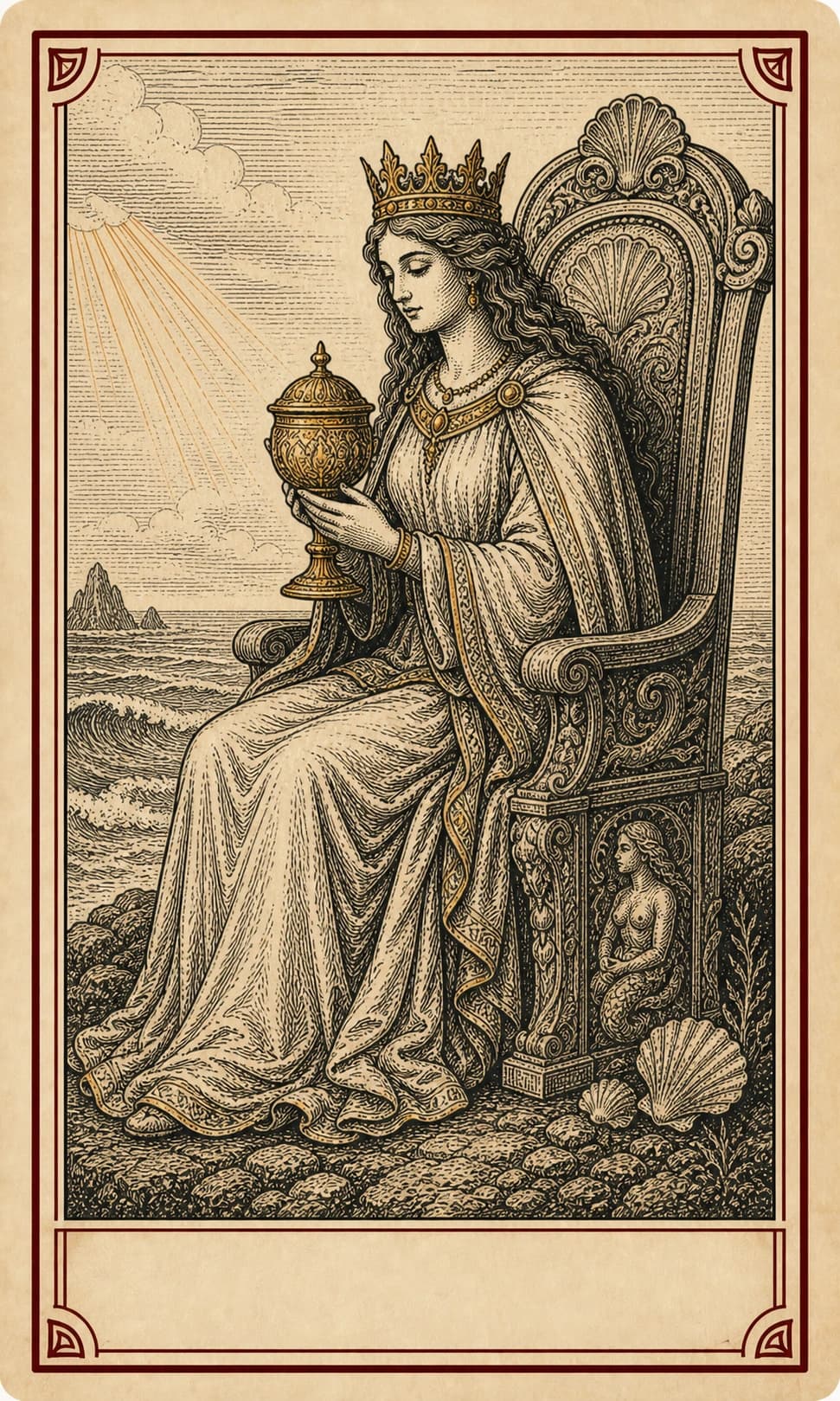
- The Queen of Cups combines empathy with the discernment needed to hold feeling without being consumed by it.
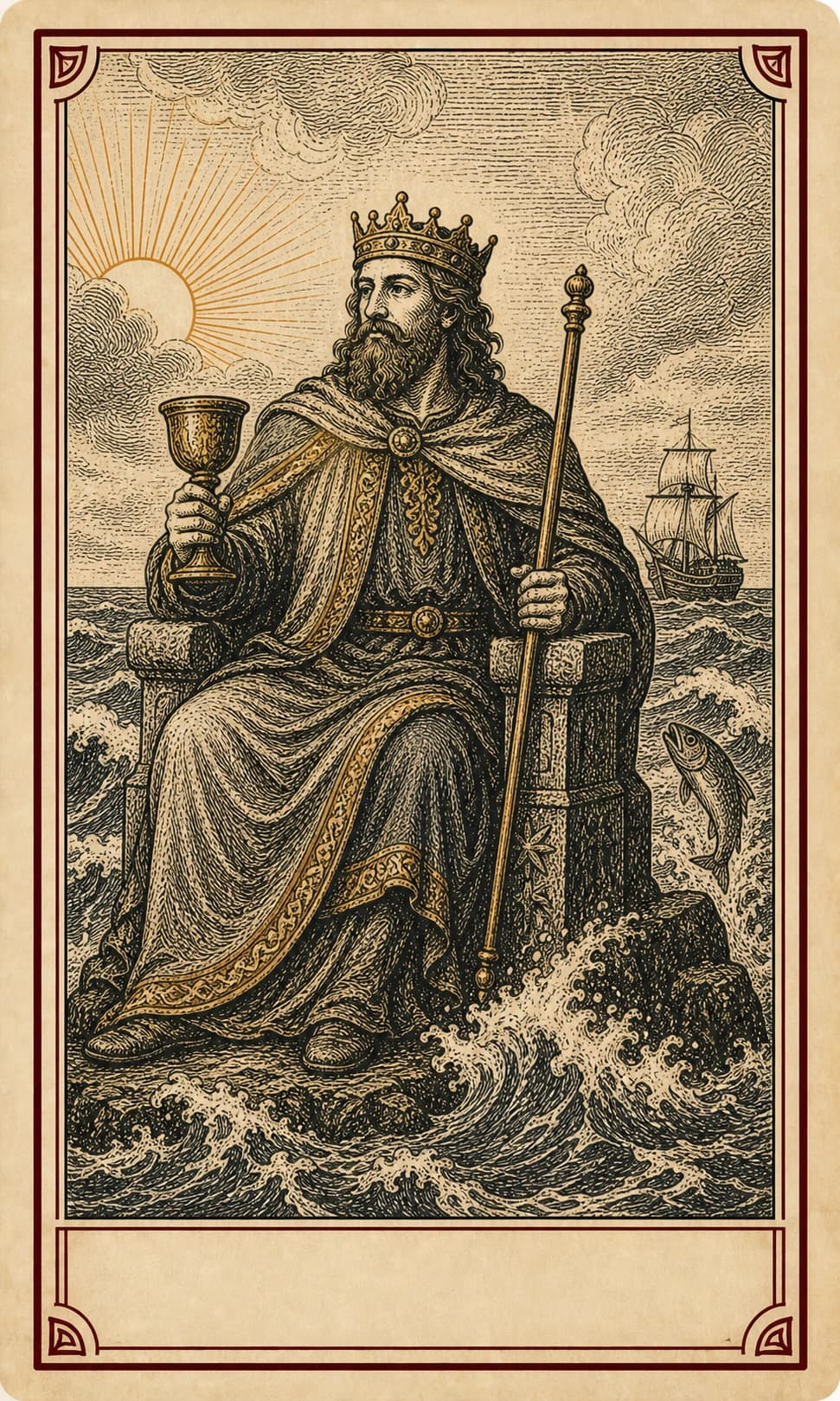
- The King of Cups remains emotionally present while making measured decisions amid changing conditions.
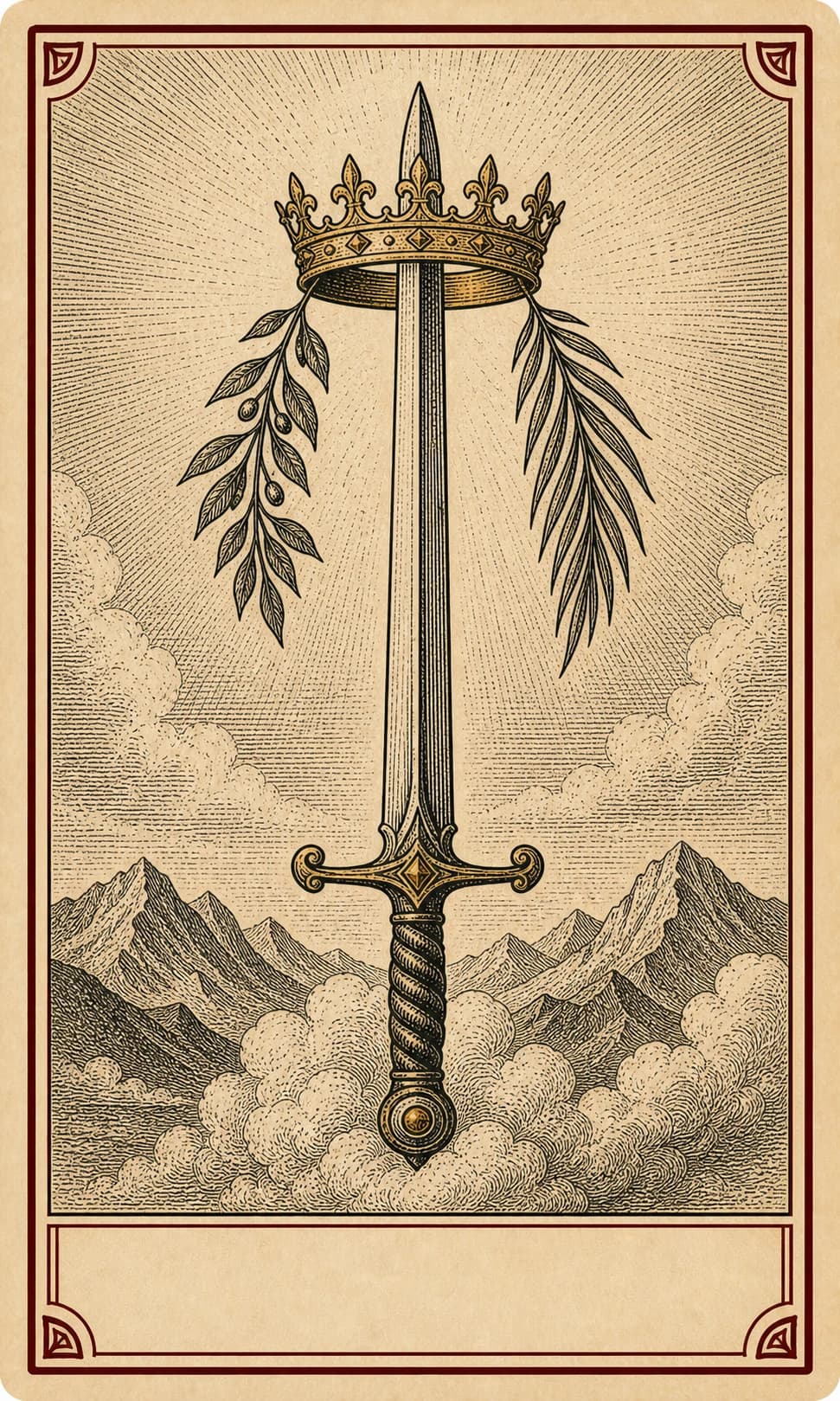
- The Ace of Swords cuts through confusion with a fact, insight, or decision that can be stated plainly.
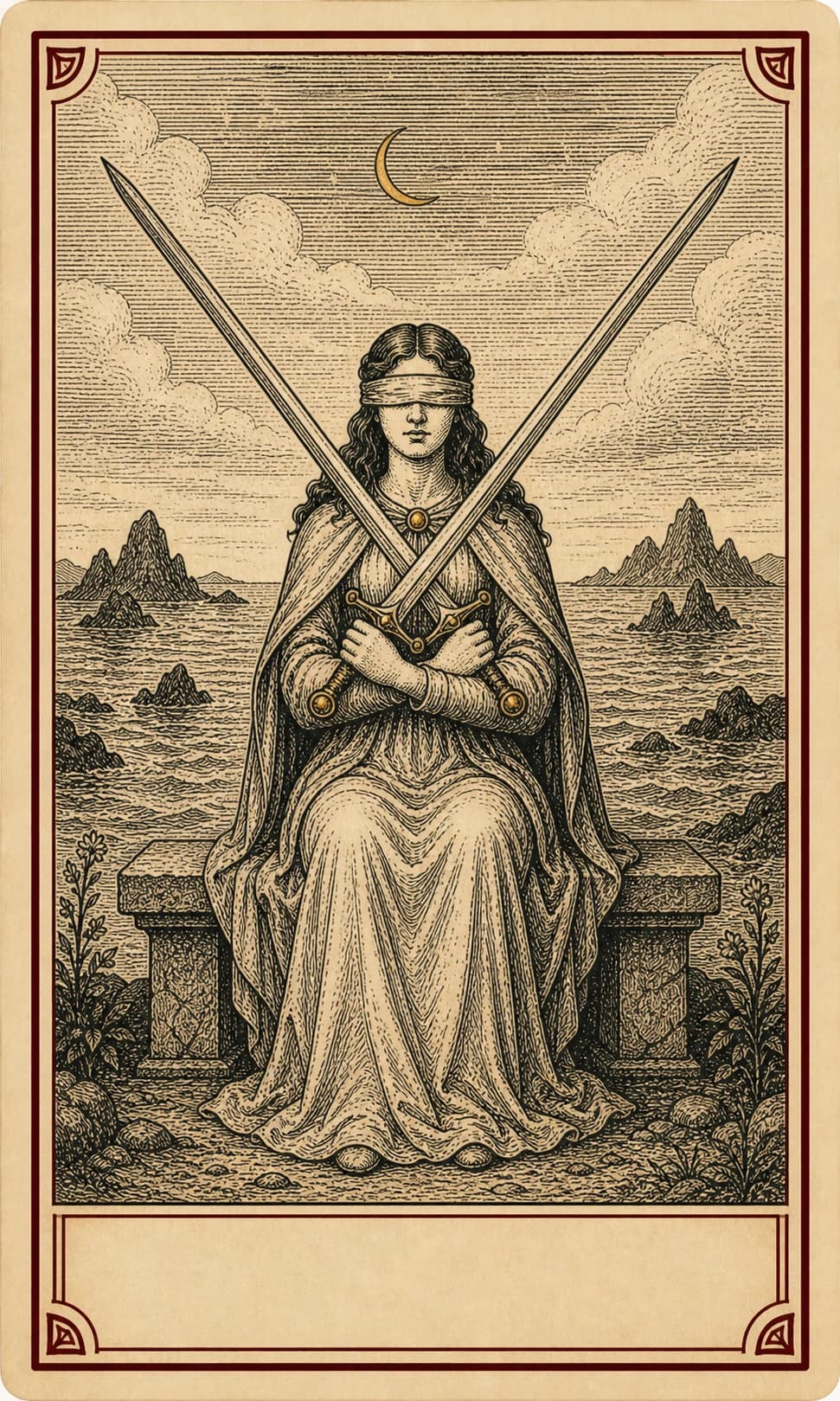
- The Two of Swords holds two incompatible options in suspension while avoiding information or emotion that would force a choice.
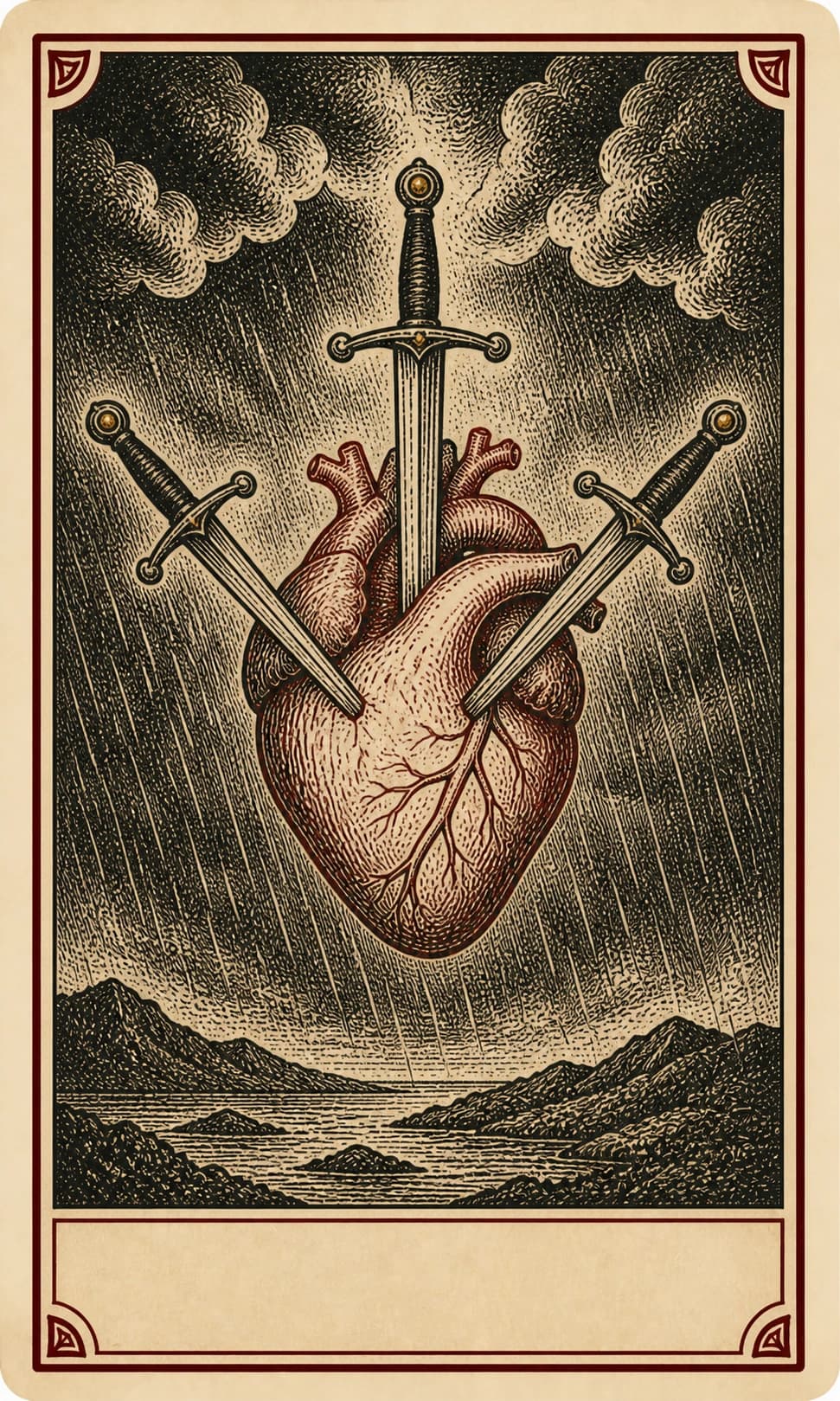
- The Three of Swords names emotional pain, separation, or a truth that hurts precisely because it matters.
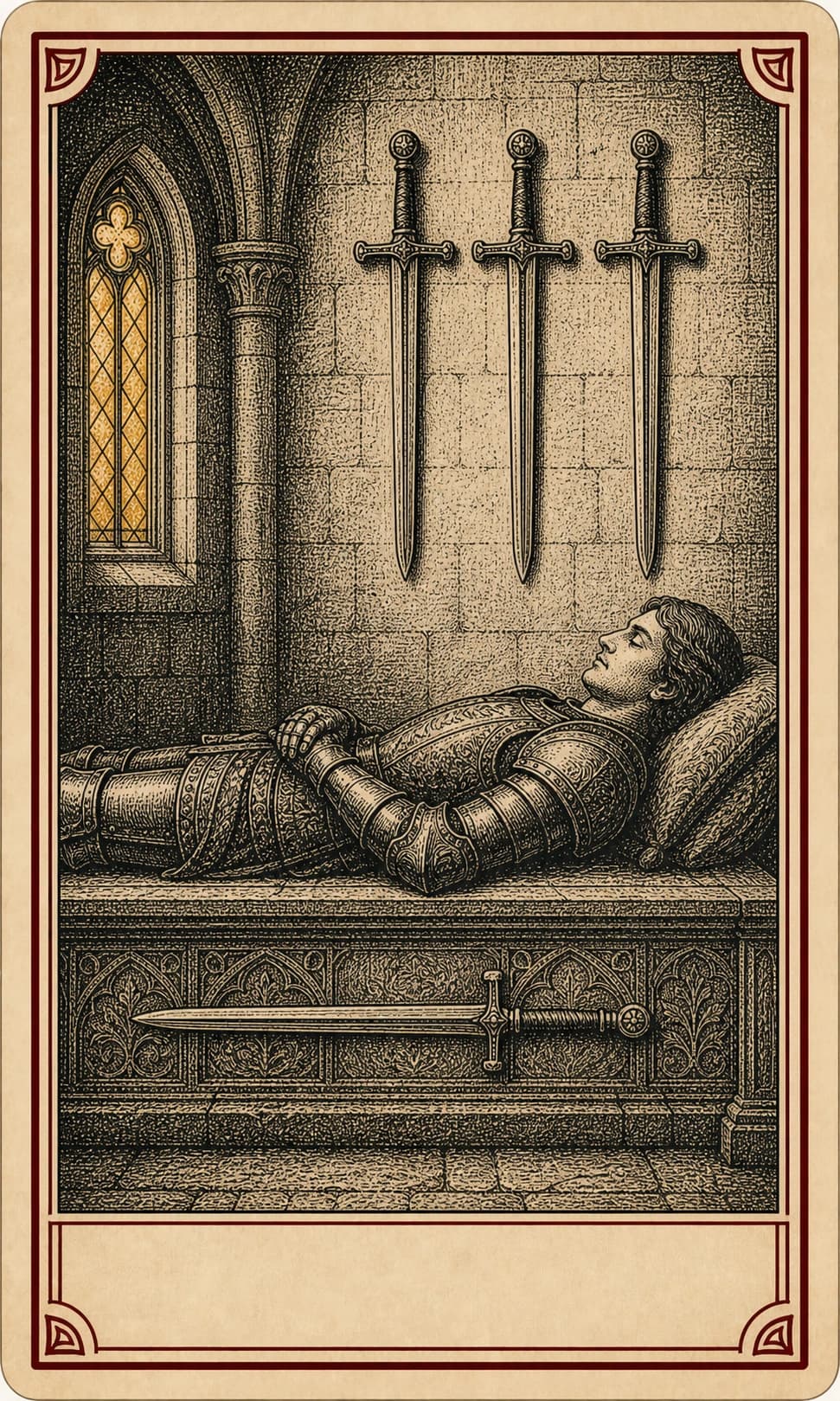
- The Four of Swords calls for deliberate recovery after sustained effort, conflict, or mental strain.
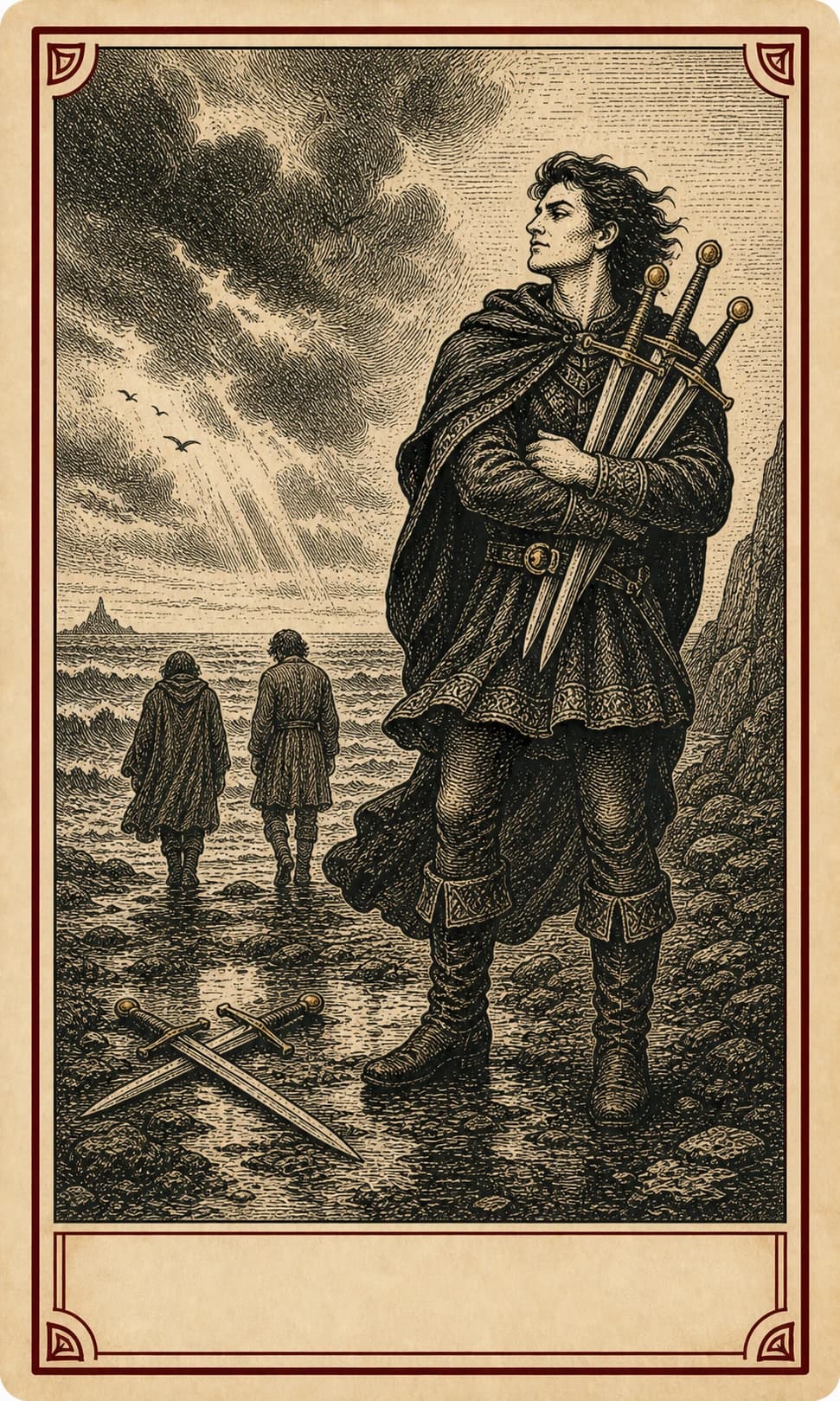
- The Five of Swords depicts a conflict that can be won tactically while damaging trust, dignity, or the larger purpose.
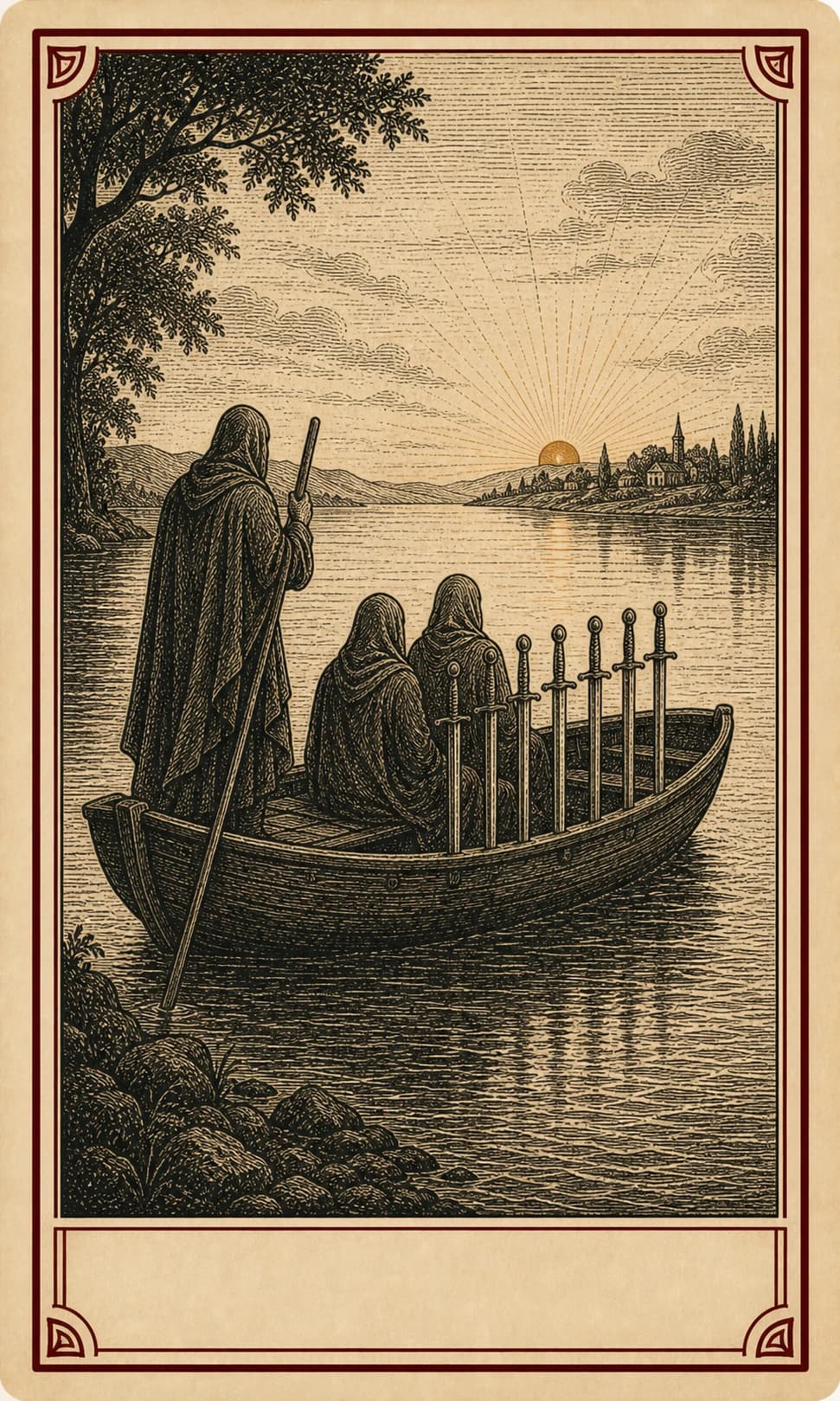
- The Six of Swords represents movement away from a difficult condition, even while its memories and consequences travel with you.
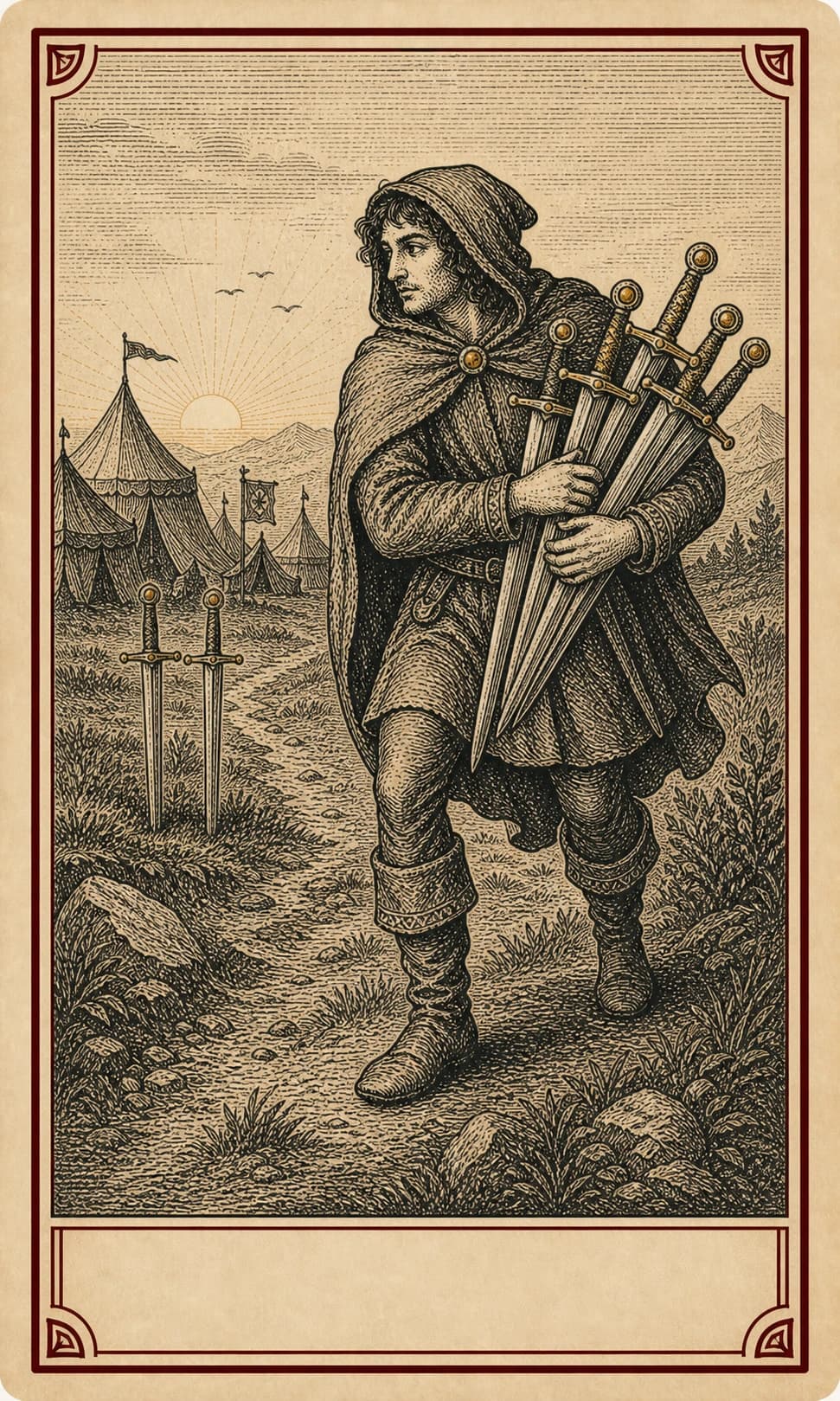
- The Seven of Swords concerns strategy used outside direct view, ranging from necessary discretion to deception and avoidance.
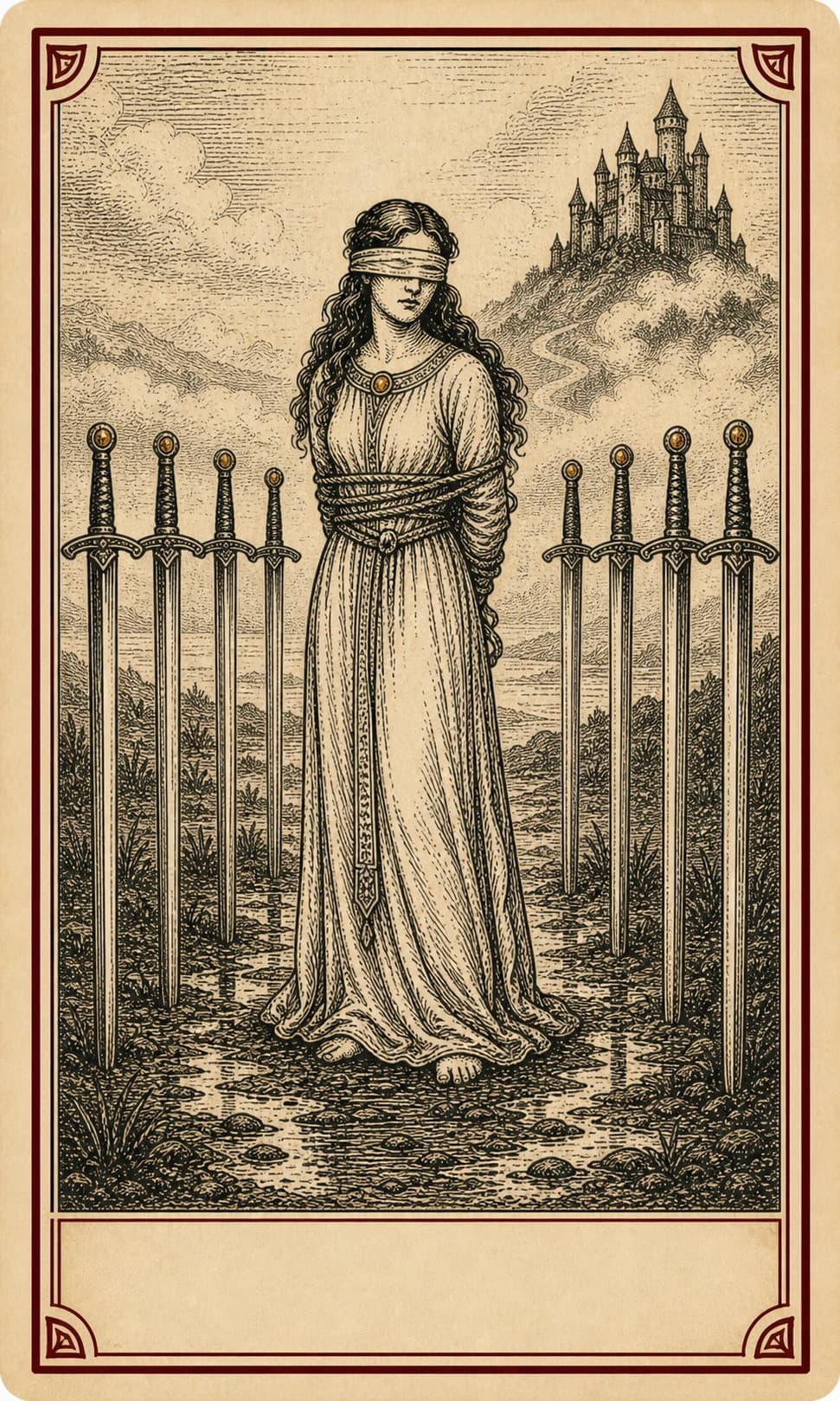
- The Eight of Swords shows real constraints intensified by a perspective that makes available choices difficult to see.
- The Nine of Swords depicts distress amplified in isolation, especially when the mind repeatedly rehearses feared outcomes.
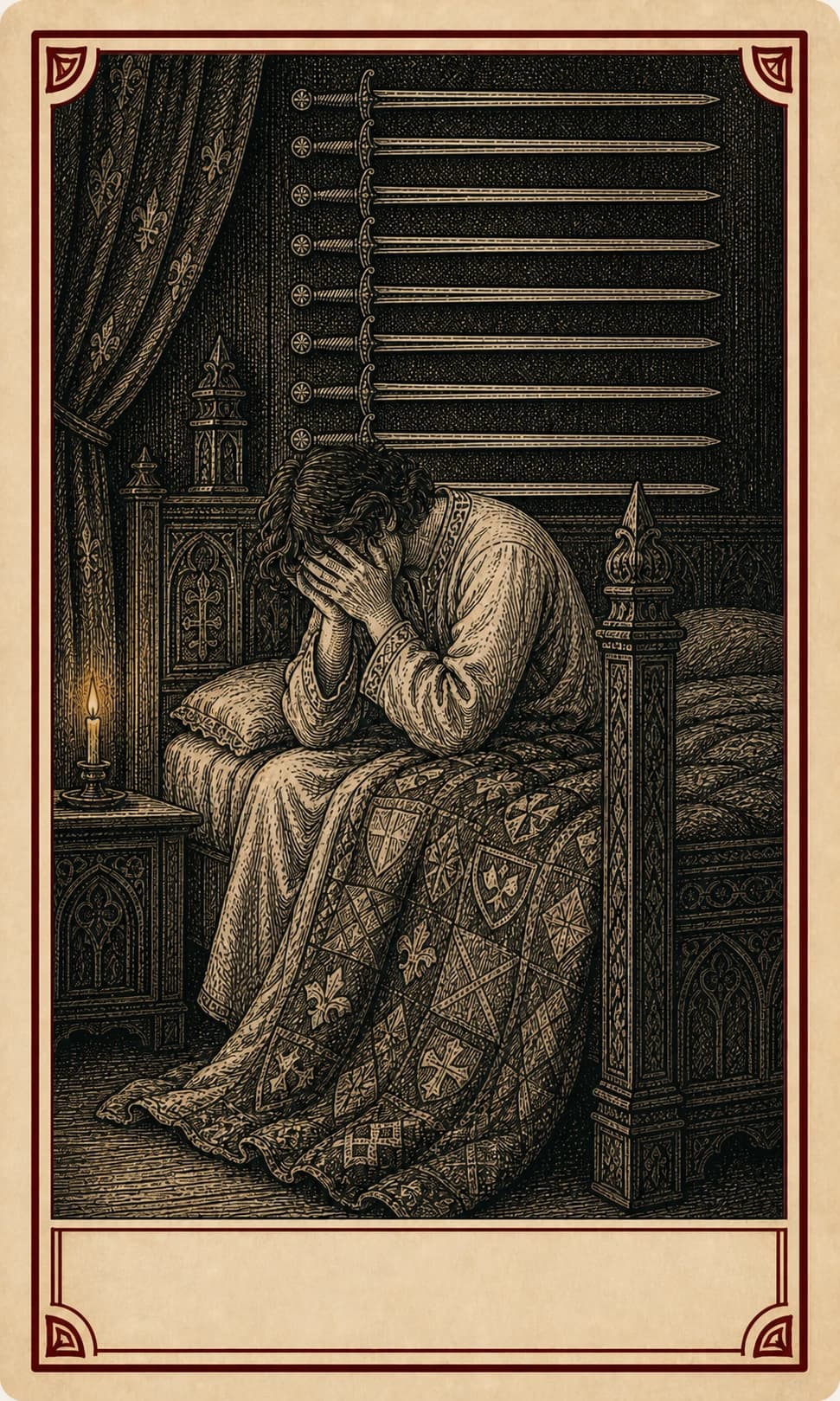
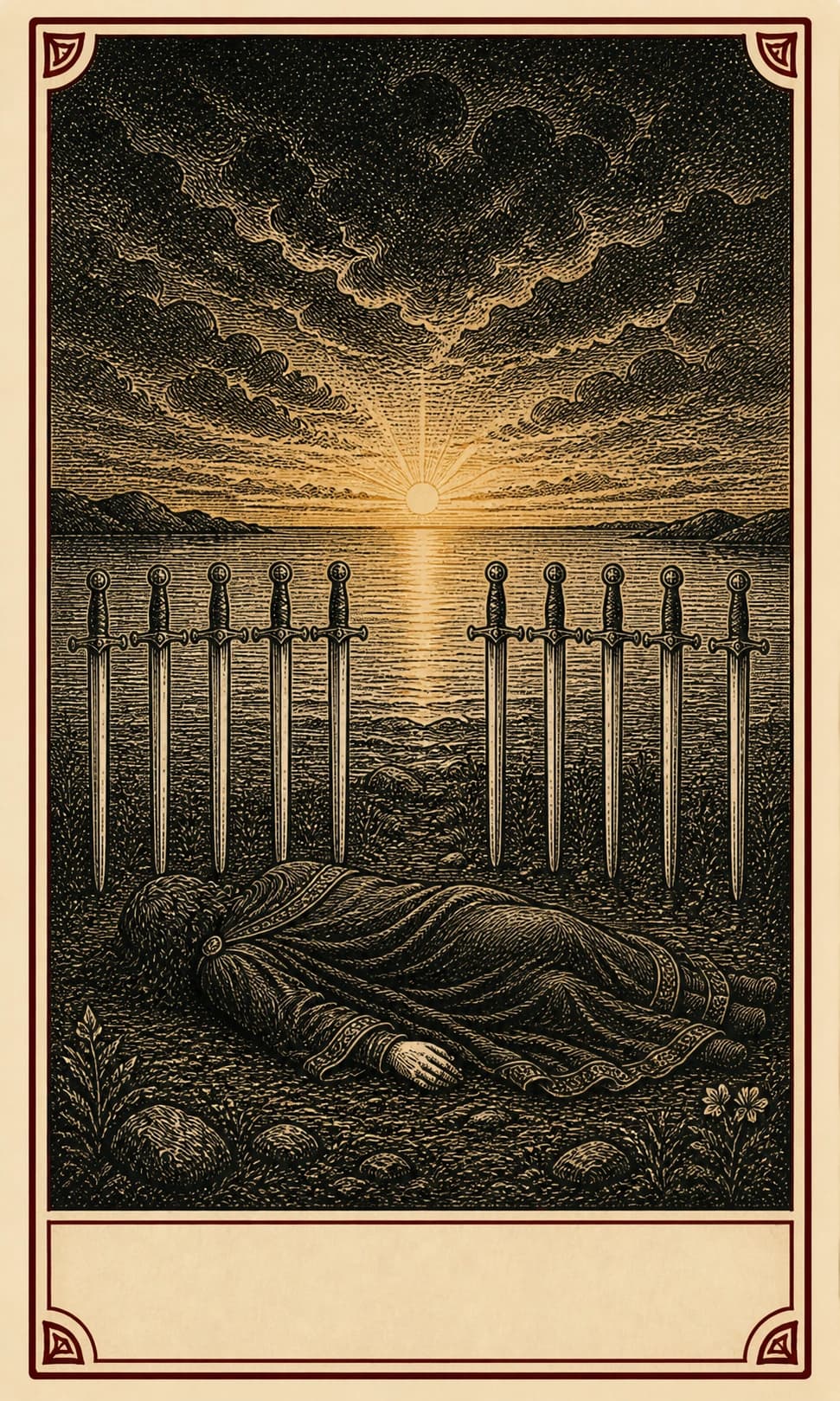
- The Ten of Swords portrays an ending that cannot be improved by continuing the same struggle.
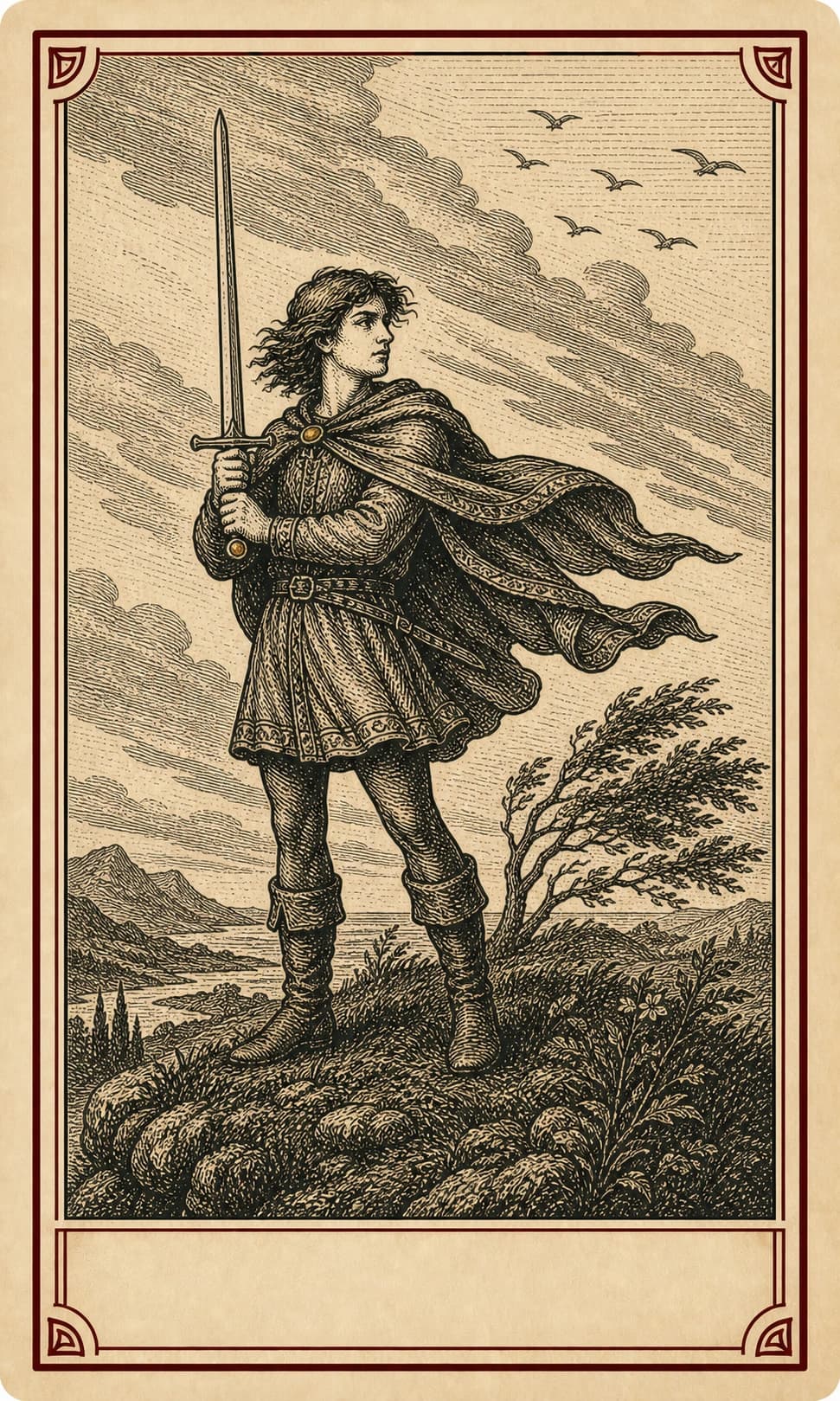
- The Page of Swords is alert, questioning, and eager to understand a new idea or changing situation.
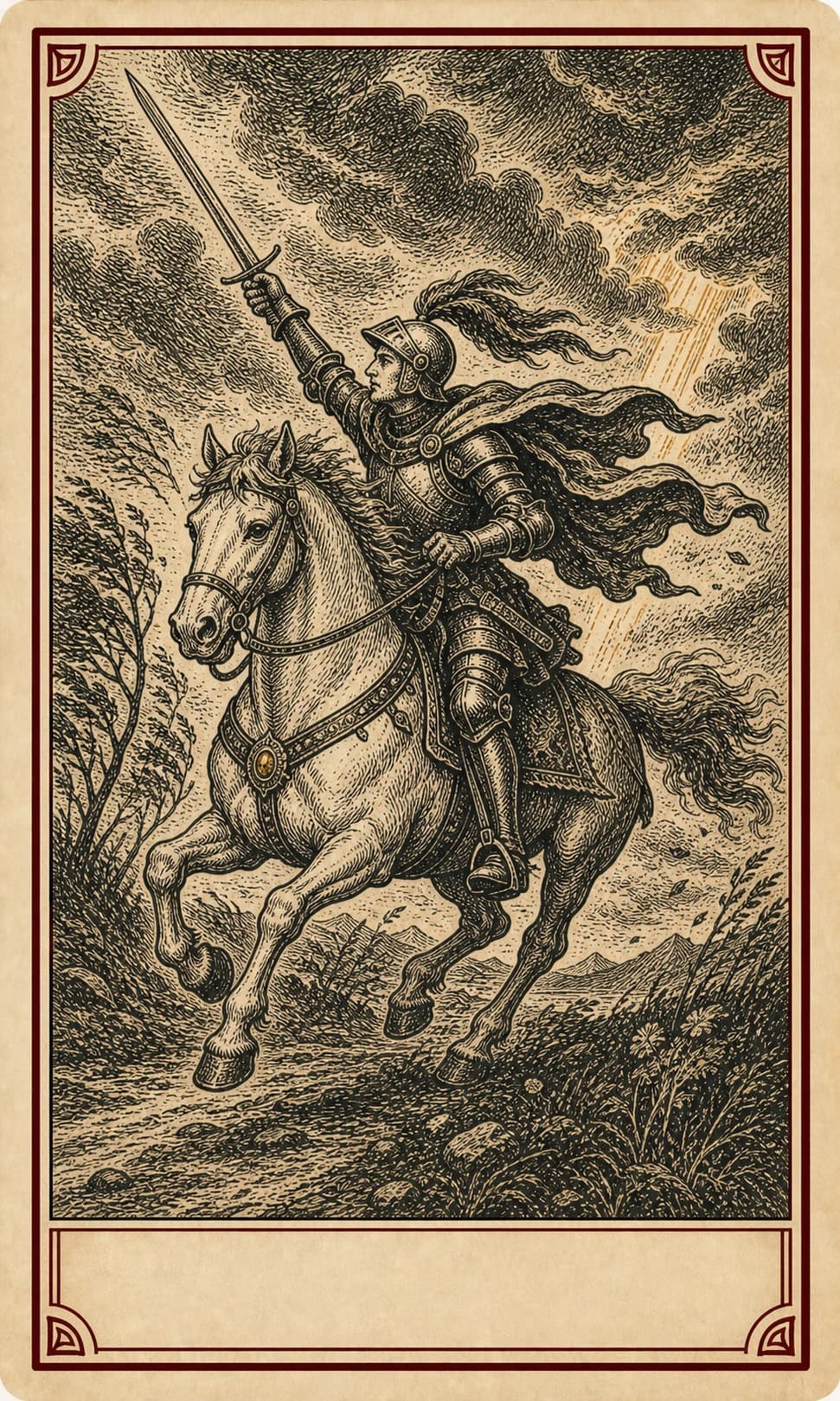
- The Knight of Swords moves quickly toward a conclusion or cause with confidence and force.
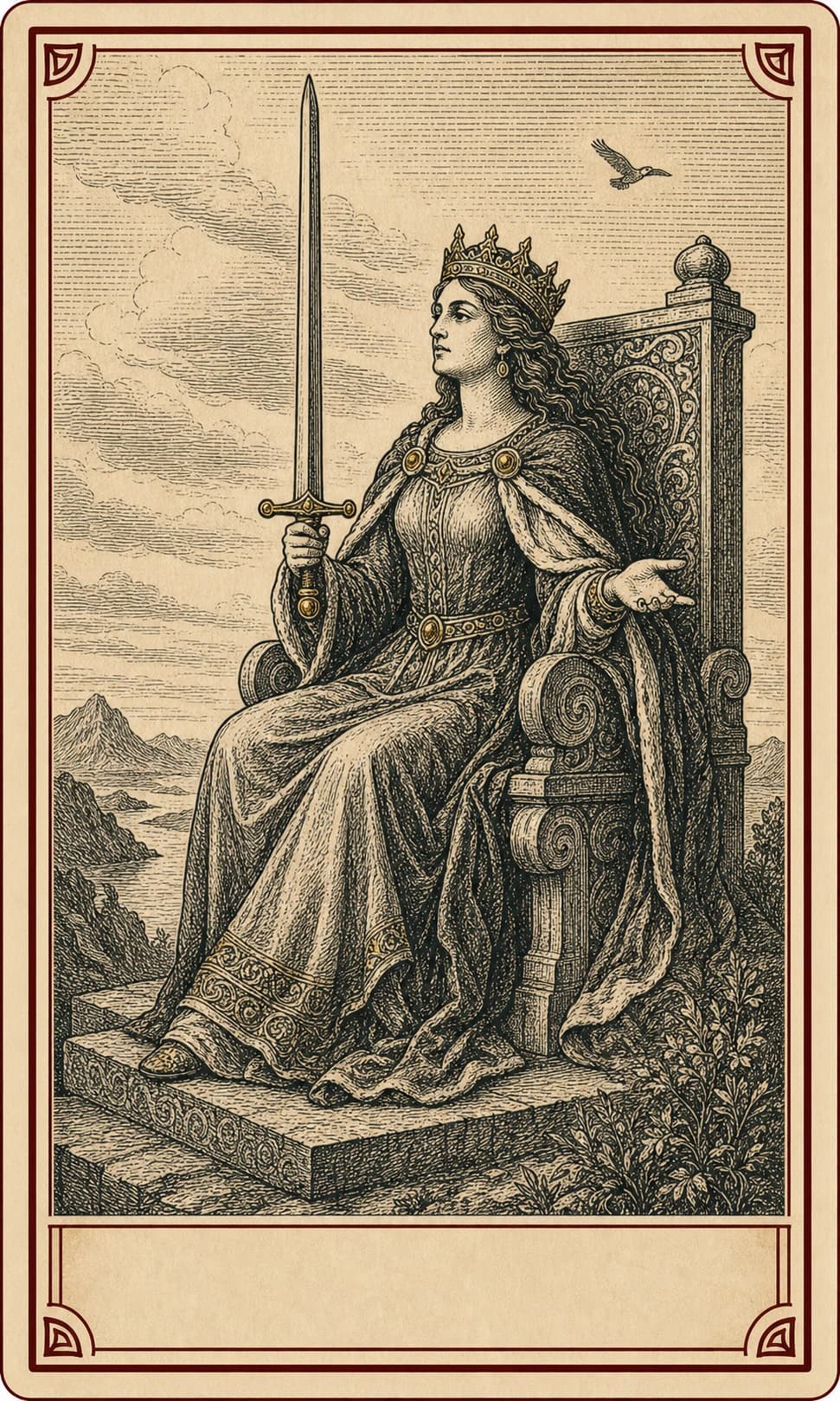
- The Queen of Swords combines hard-won perception with the ability to state a clear boundary without unnecessary ornament.
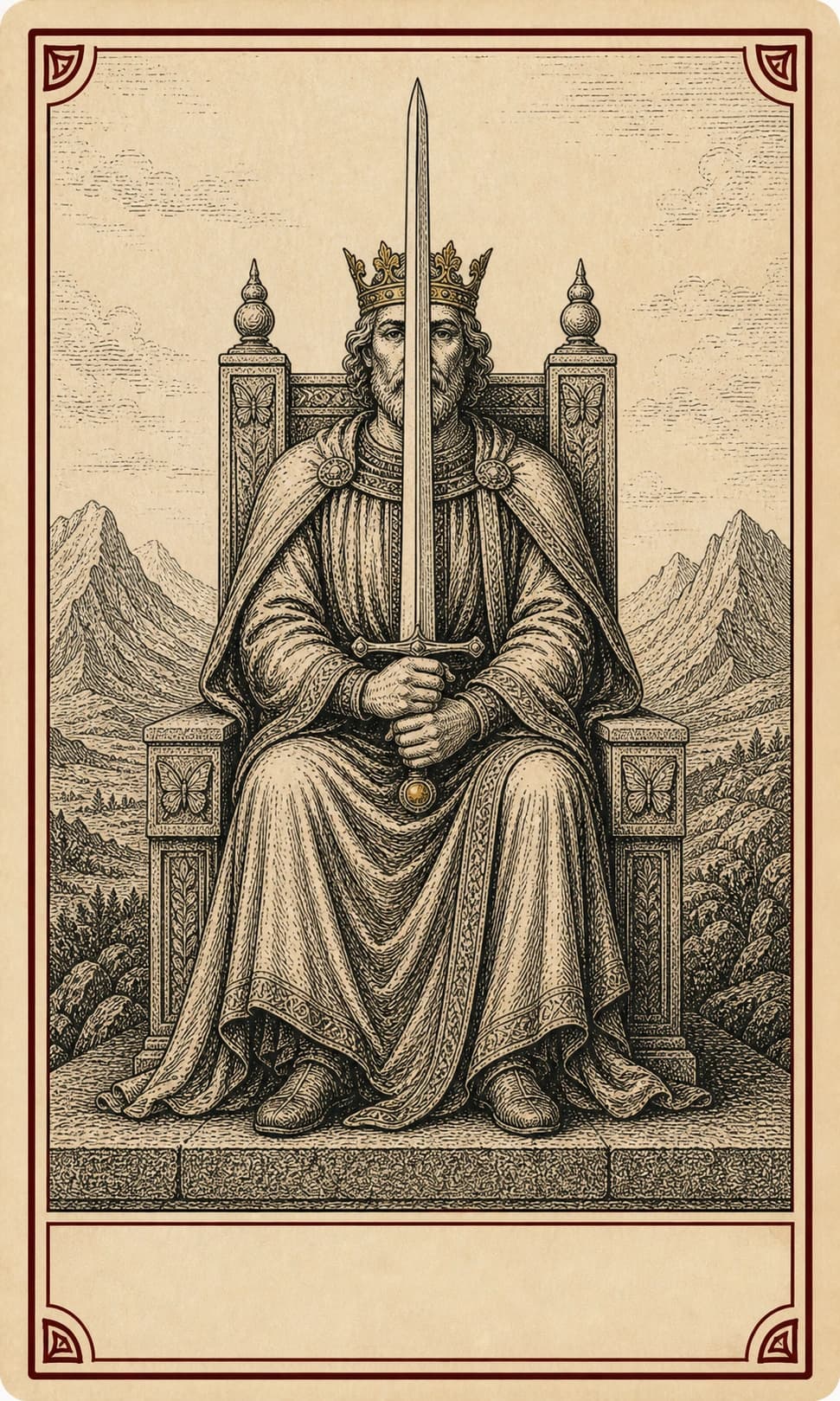
- The King of Swords applies knowledge through consistent standards, strategic judgement, and responsibility for the decision.
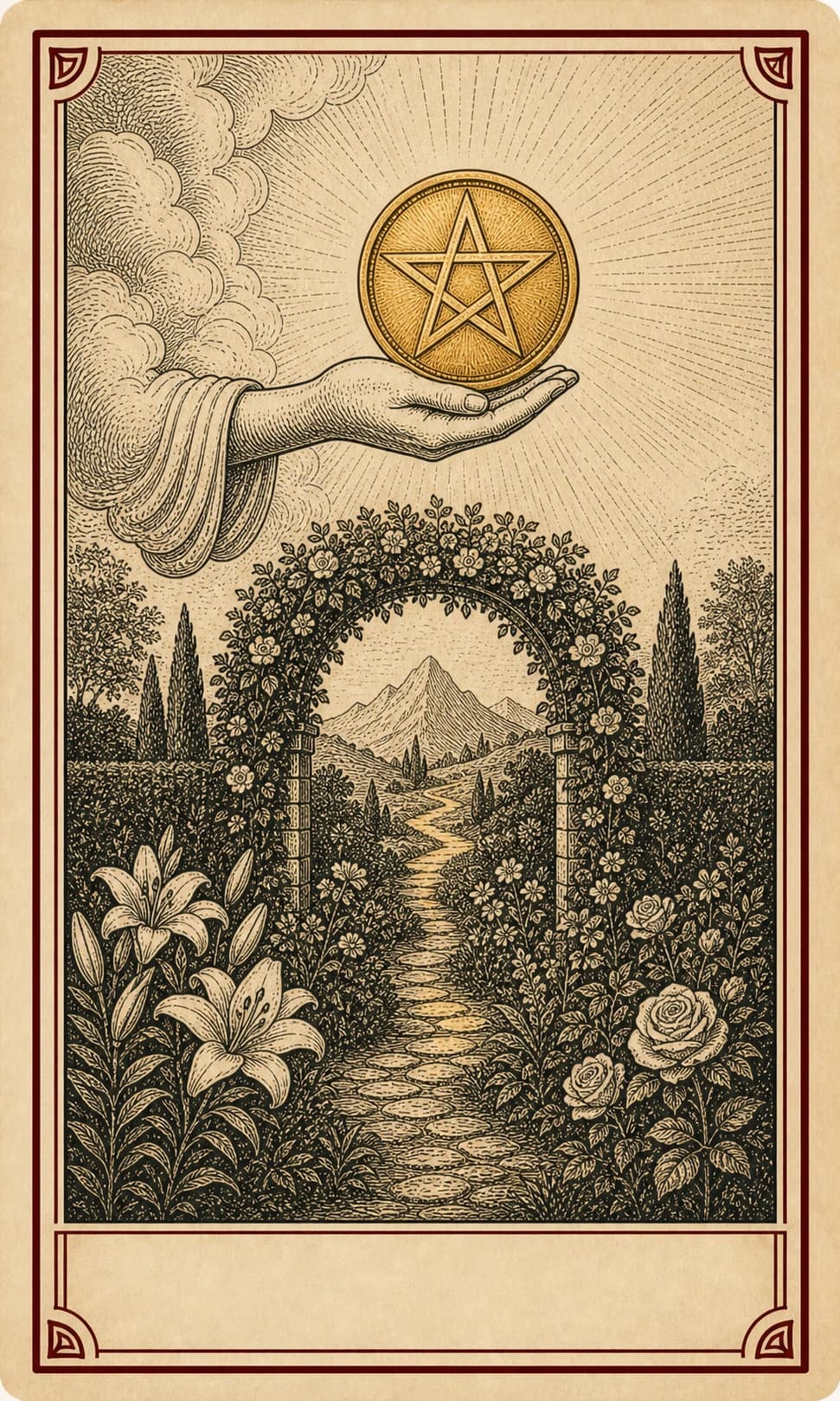
- The Ace of Pentacles offers a practical opening that can become stable through care, resources, and repeated work.
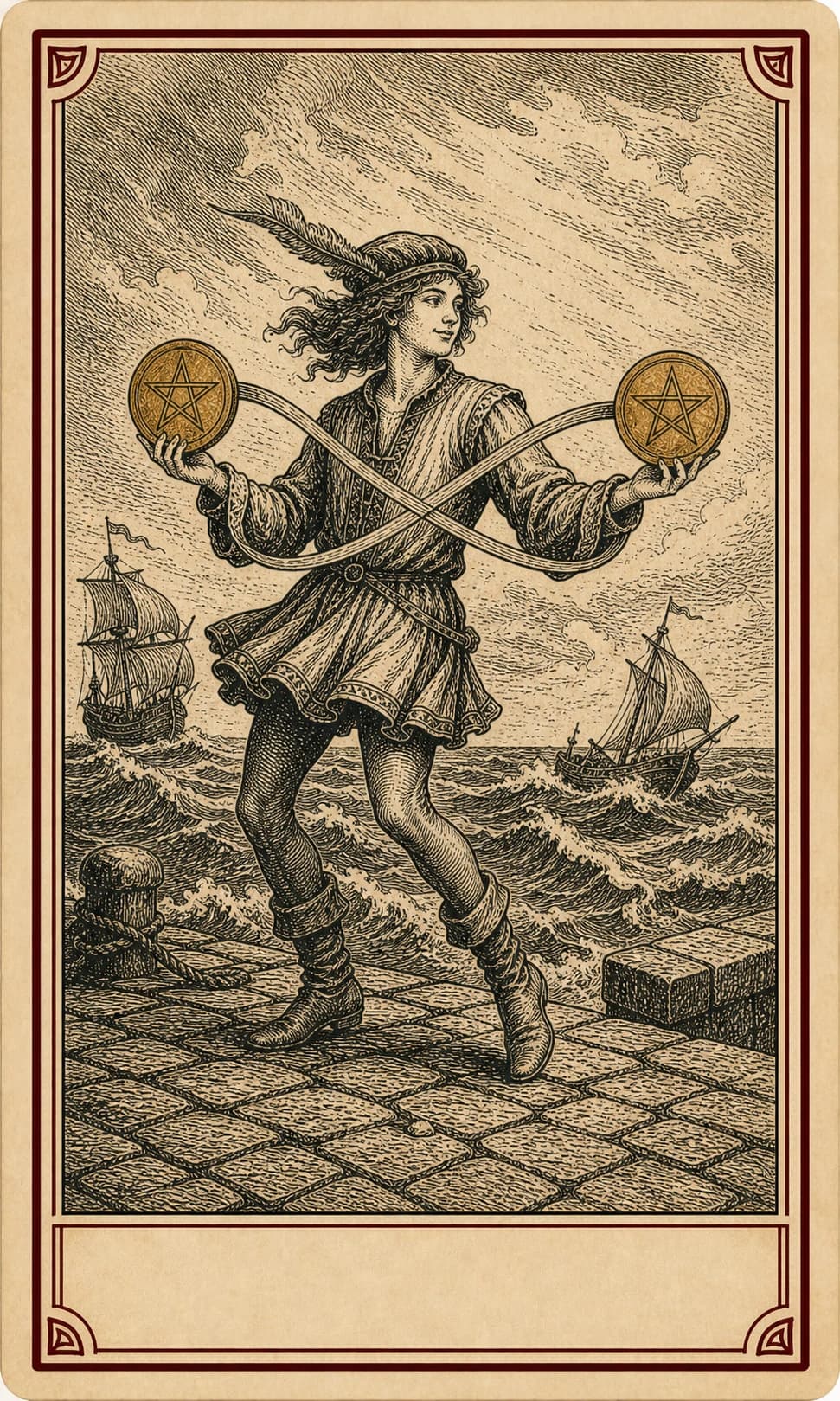
- The Two of Pentacles manages changing practical demands through flexibility, timing, and constant reprioritization.
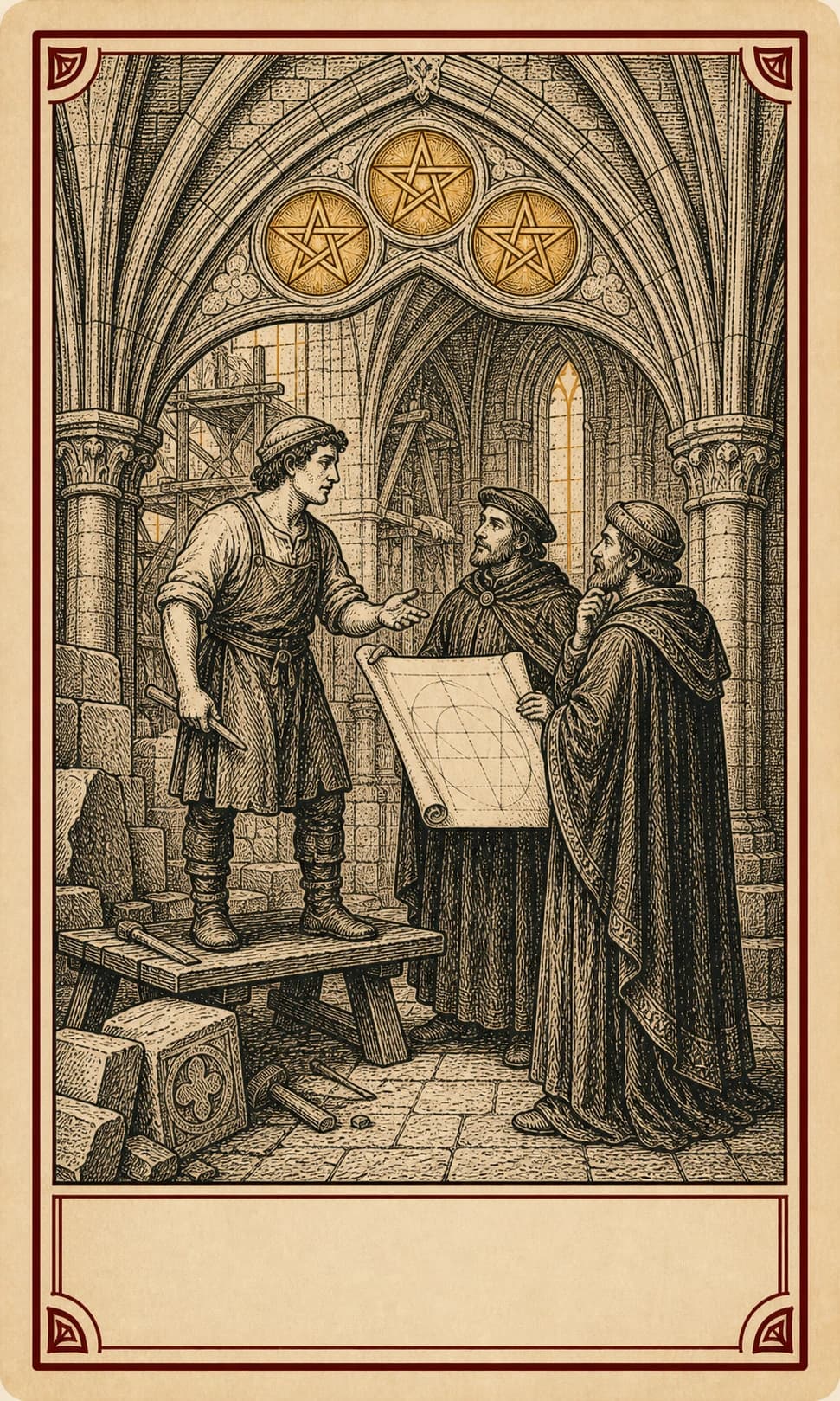
- The Three of Pentacles combines different skills around a shared standard of useful work.
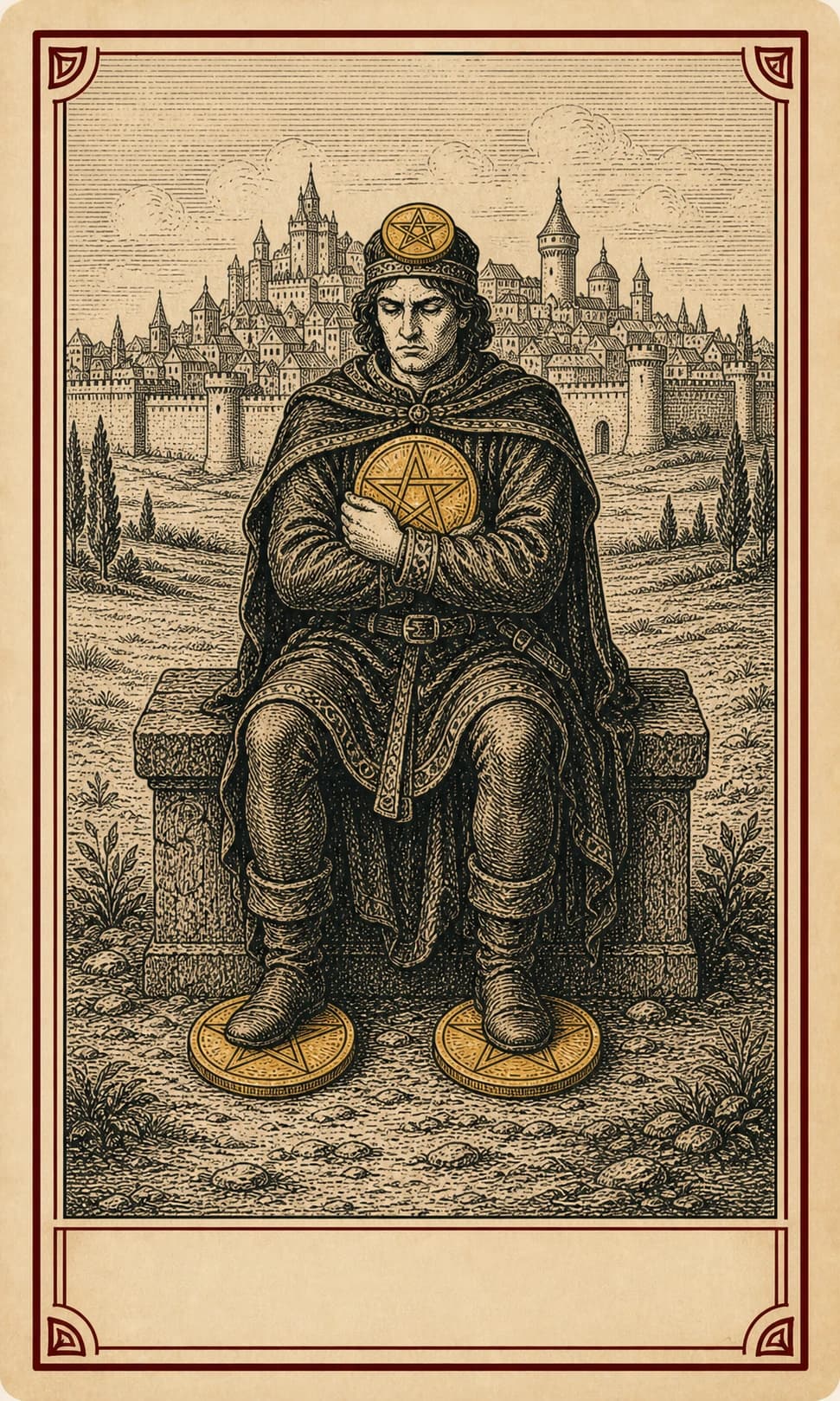
- The Four of Pentacles protects resources and stability, while asking when protection becomes fear-driven control.
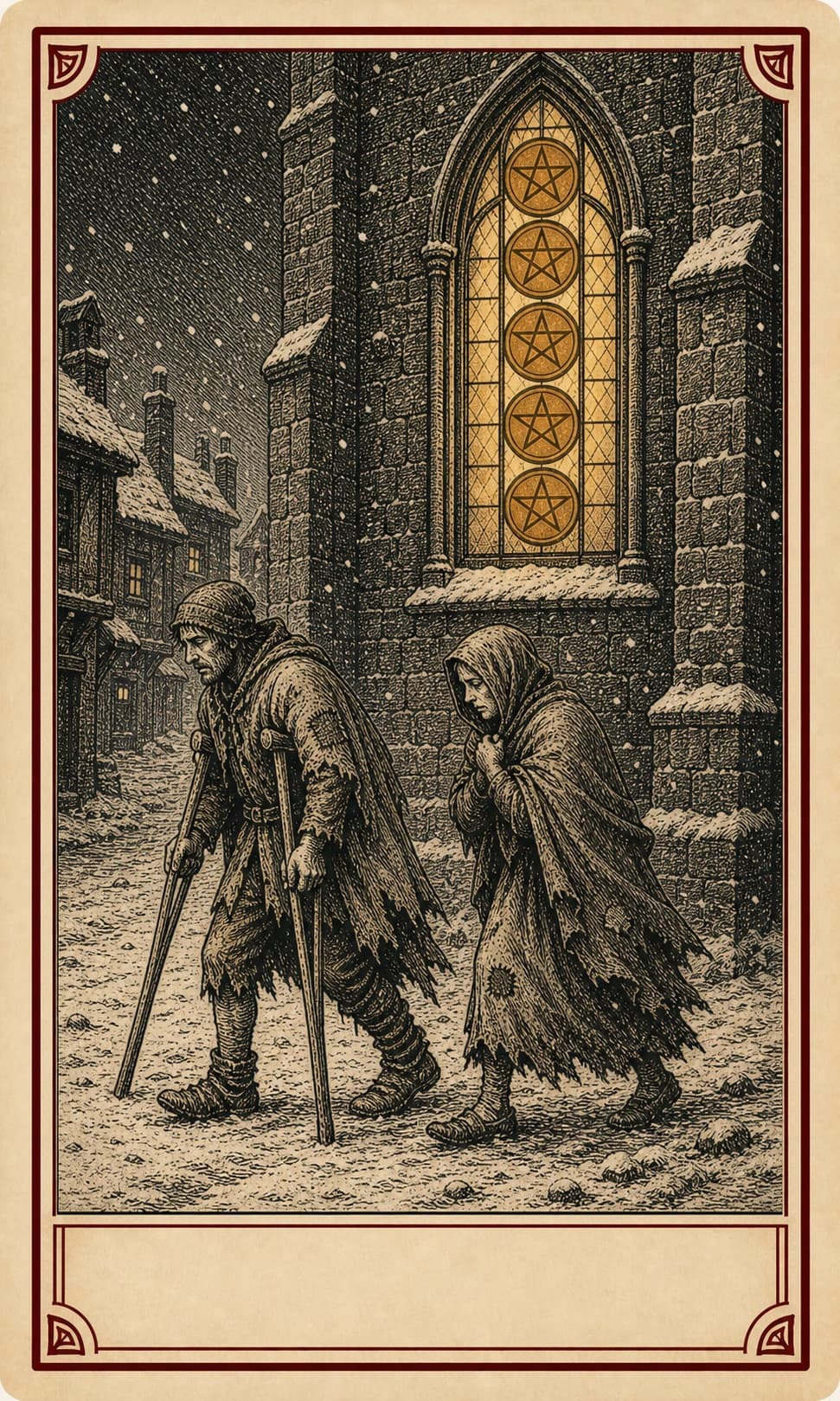
- The Five of Pentacles names material hardship, illness-related strain, exclusion, or the isolating belief that support is unavailable.
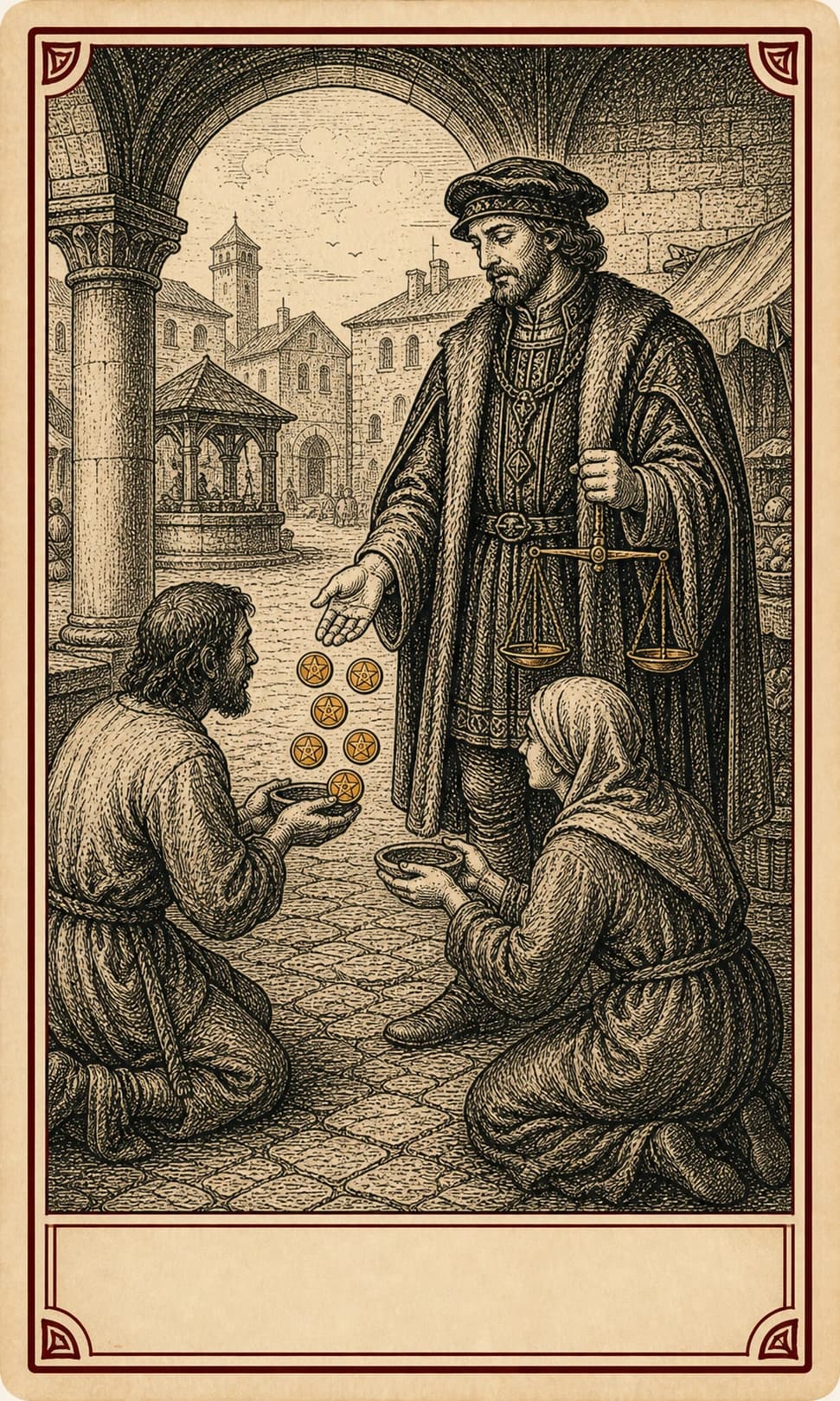
- The Six of Pentacles concerns the distribution of resources and the power relationship between giving and receiving.
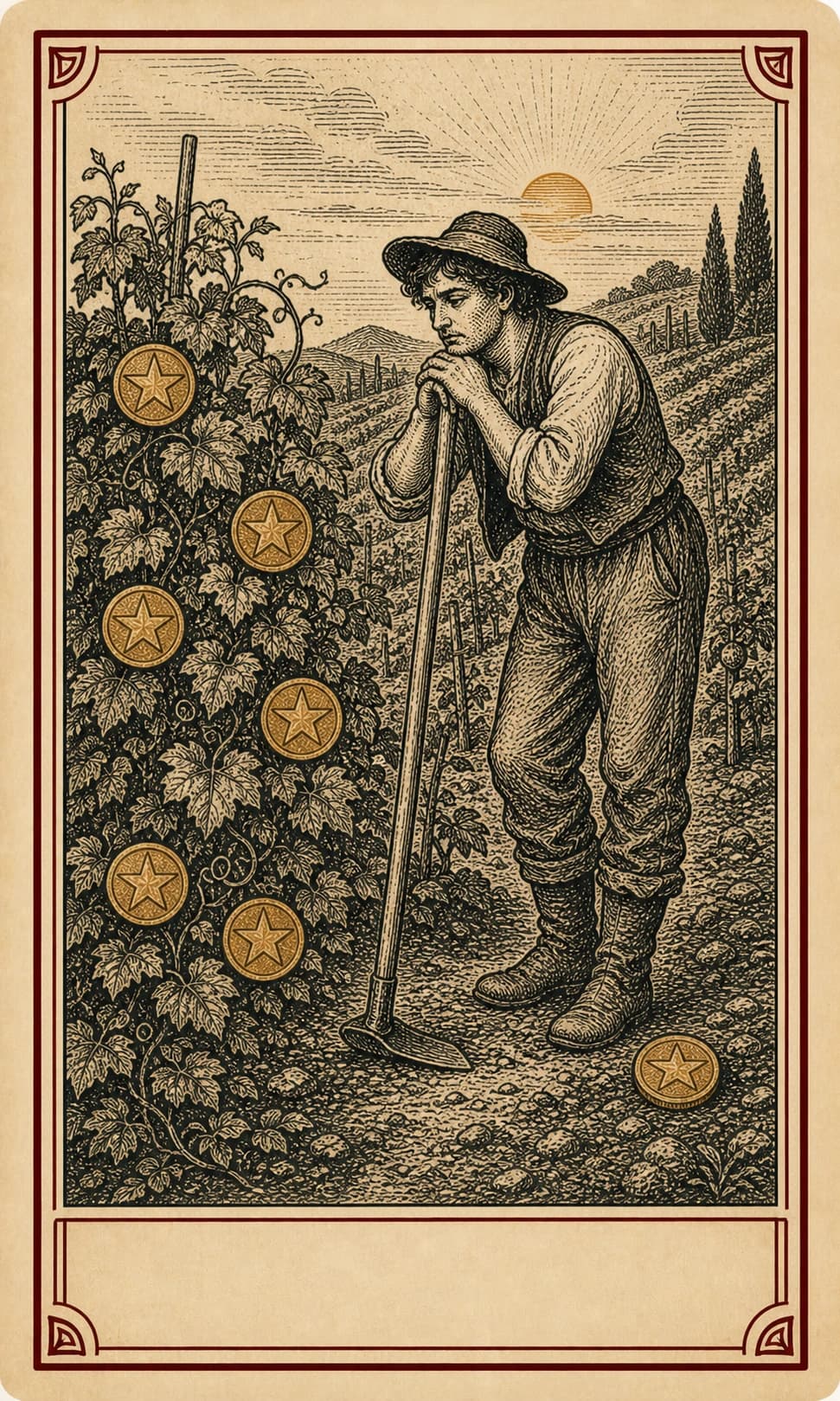
- The Seven of Pentacles pauses during long work to assess whether the investment is producing the right kind of growth.
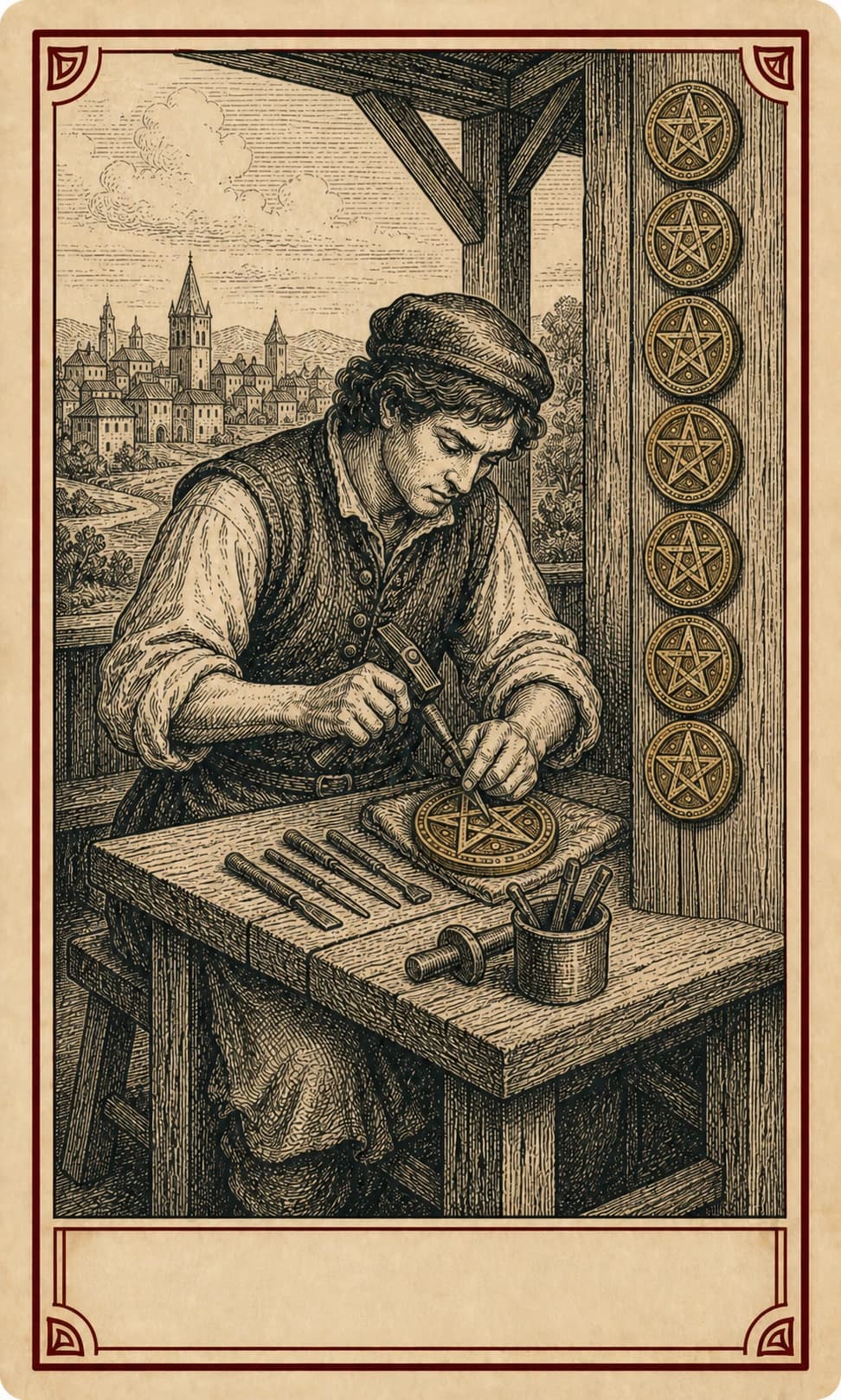
- The Eight of Pentacles develops competence through repetition, attention to detail, and willingness to correct small errors.
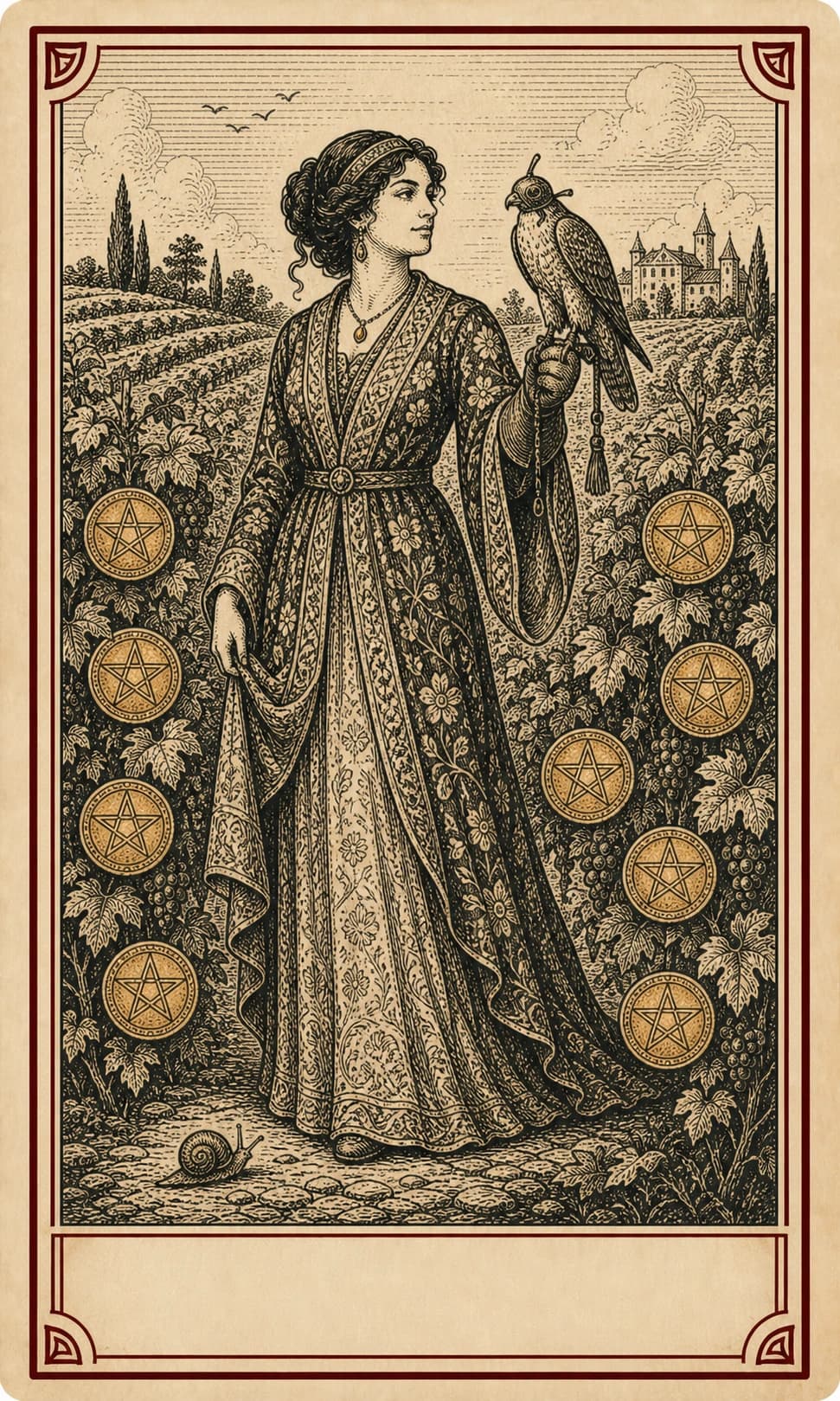
- The Nine of Pentacles represents independence and comfort built through sustained choices, skill, and stewardship.
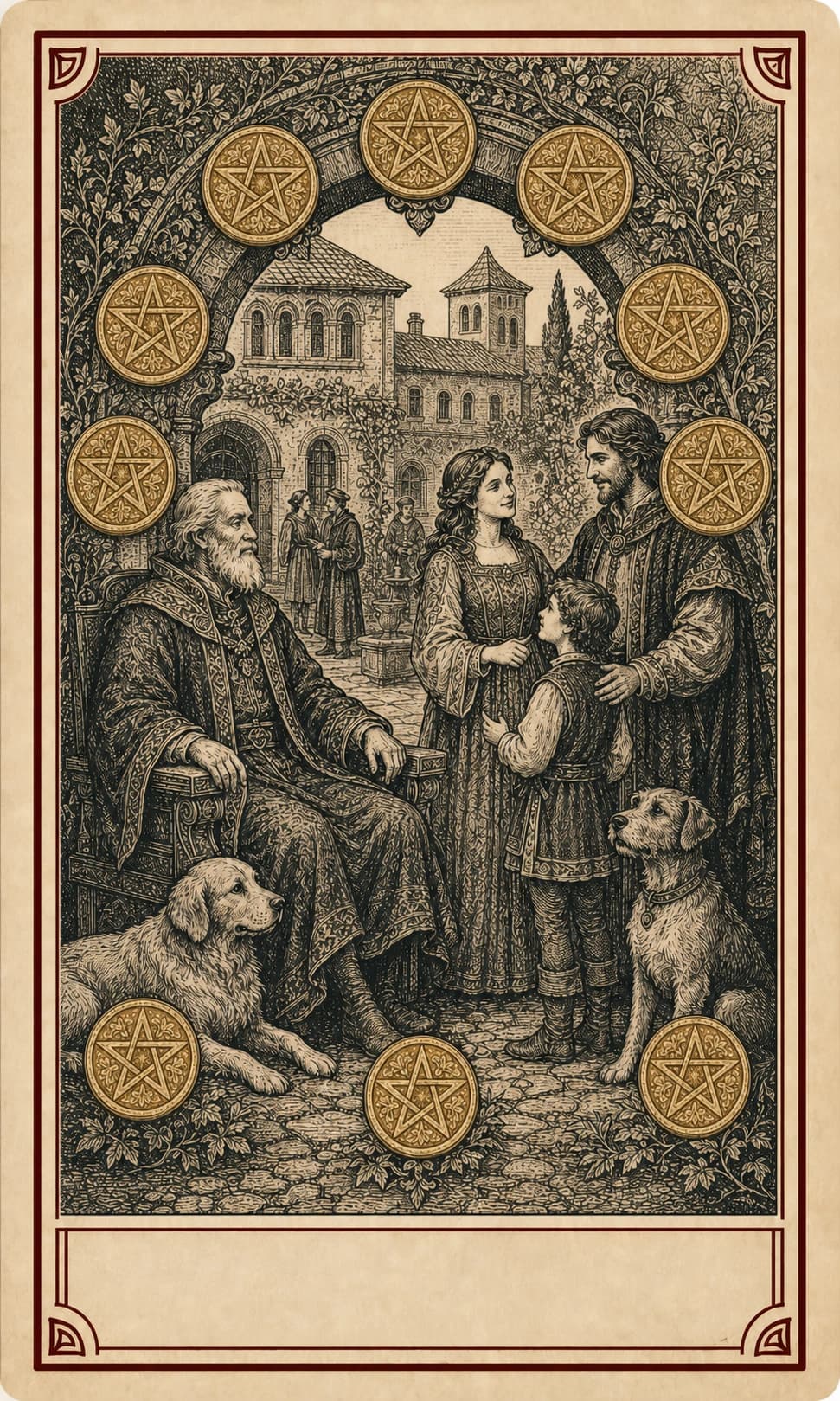
- The Ten of Pentacles places present resources inside a longer structure of family, community, inheritance, and legacy.
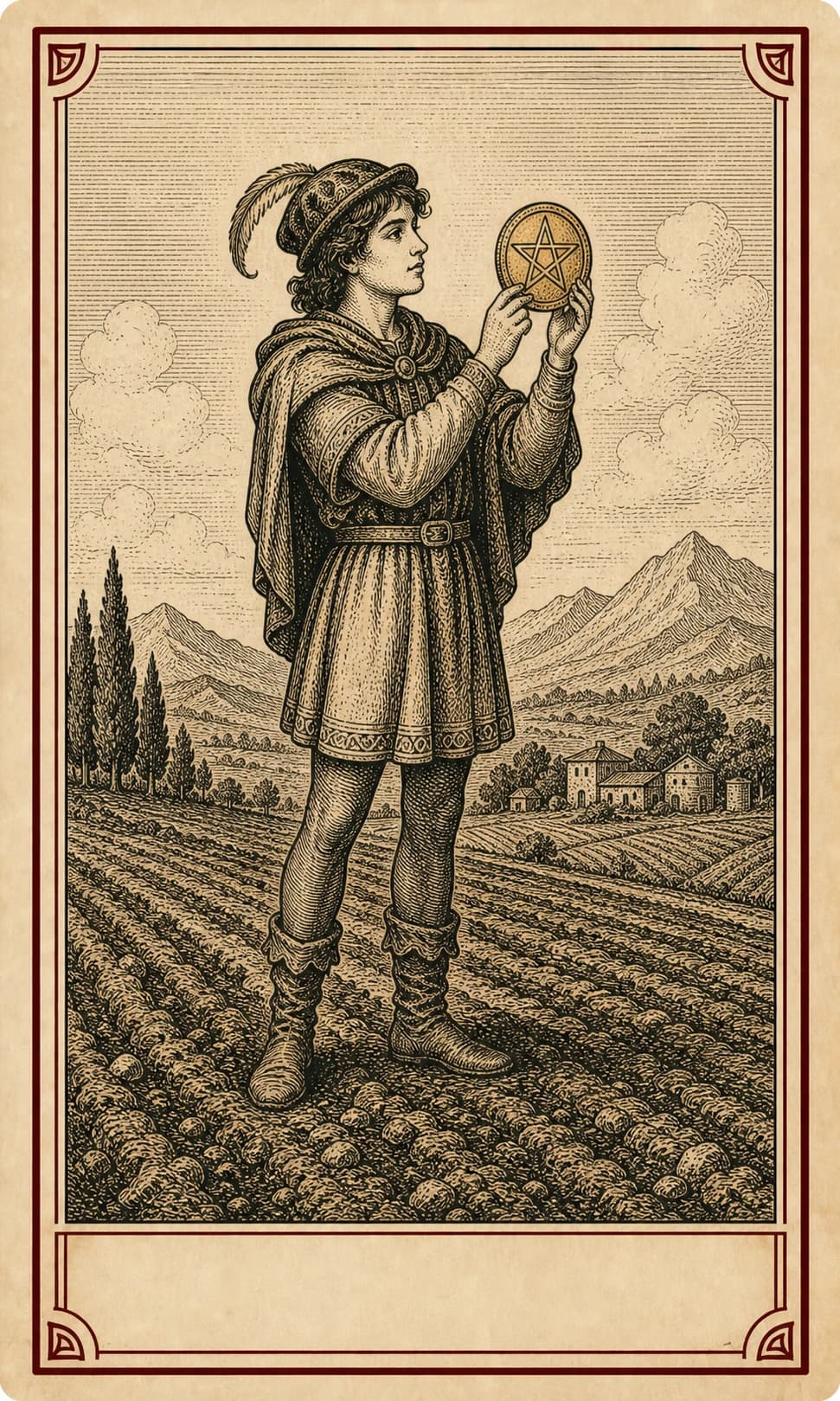
- The Page of Pentacles approaches a practical opportunity as a learner willing to study, plan, and build competence.
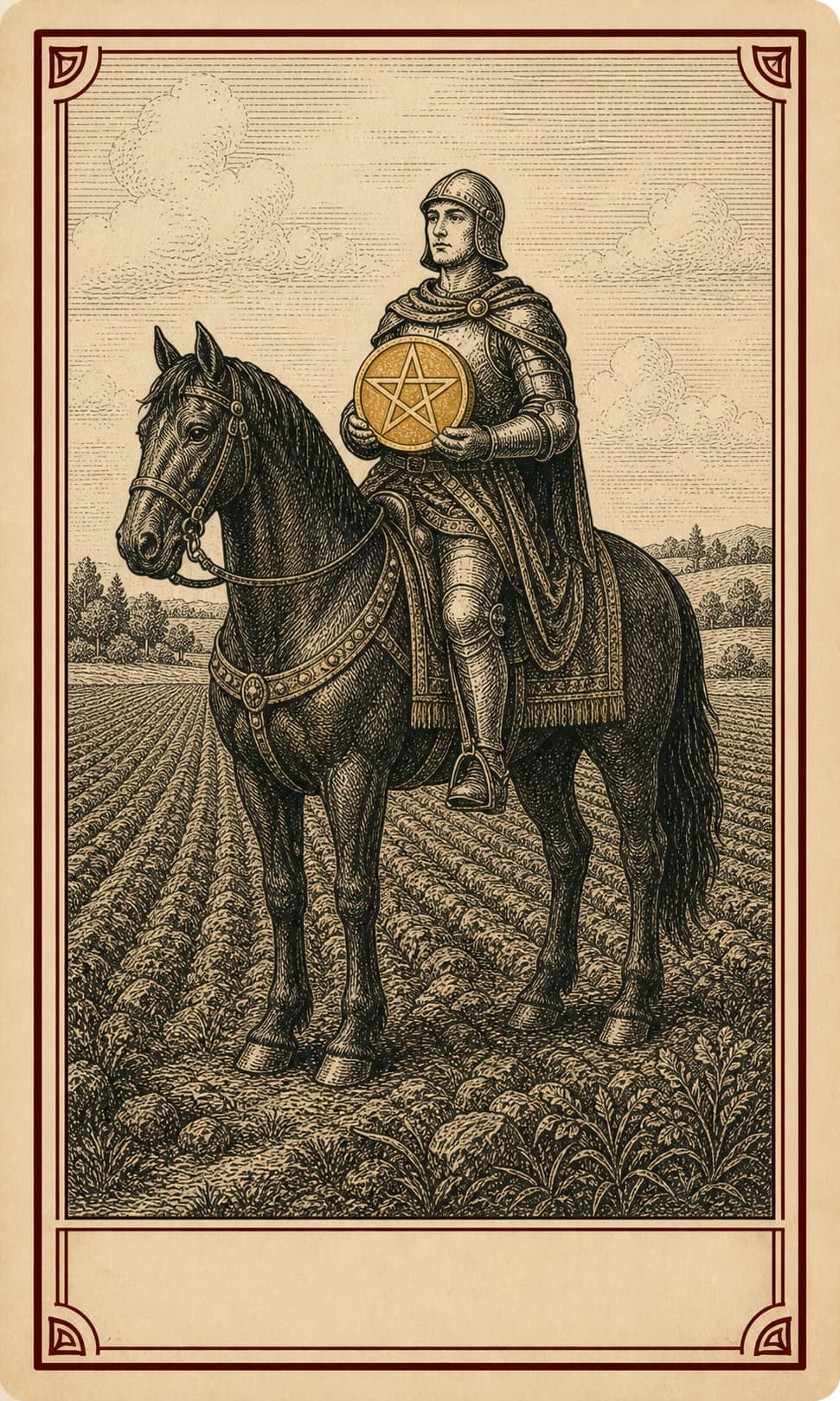
- The Knight of Pentacles advances through methodical work, consistency, and respect for practical limits.
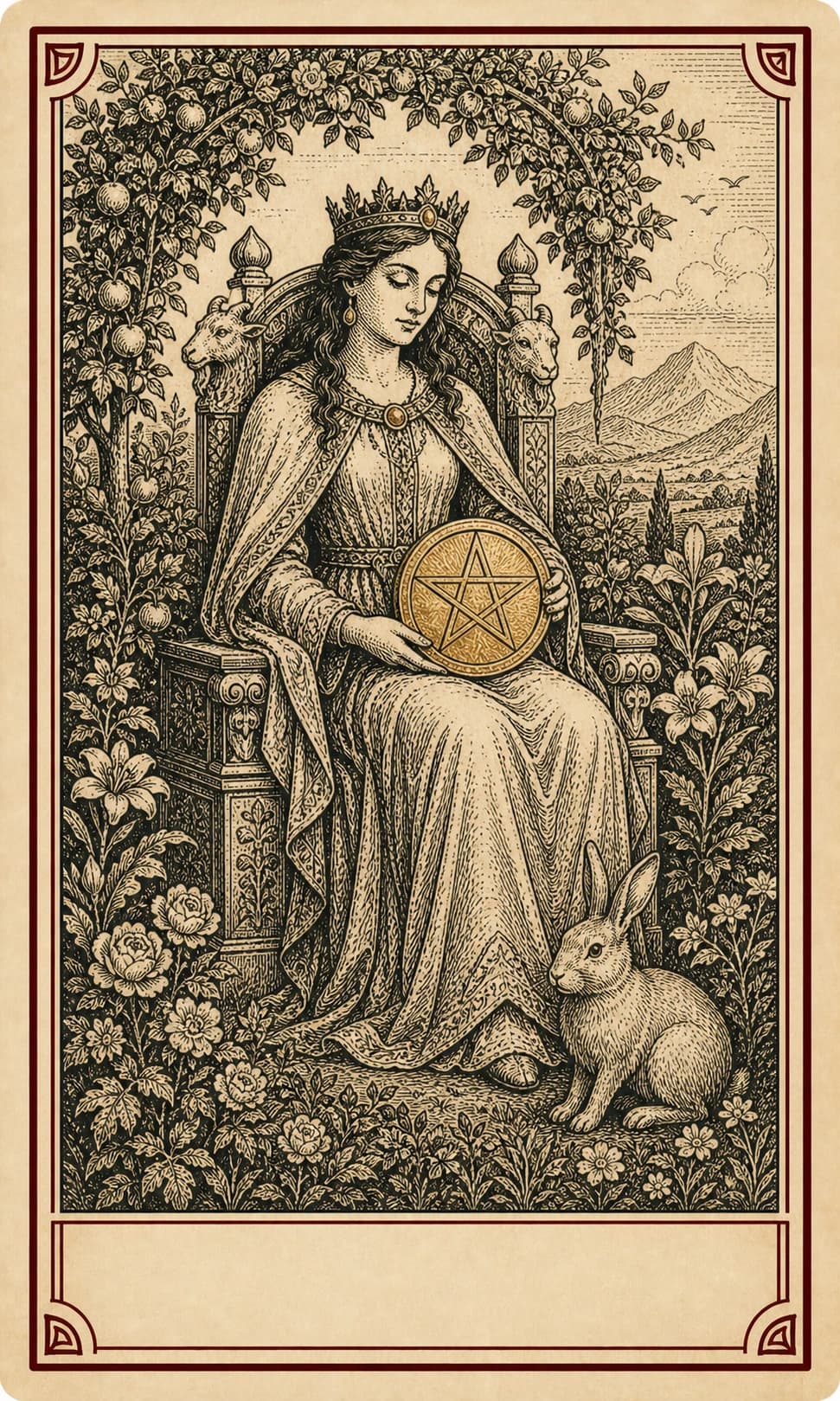
- The Queen of Pentacles creates security through attentive practical care, resourcefulness, and respect for embodied needs.
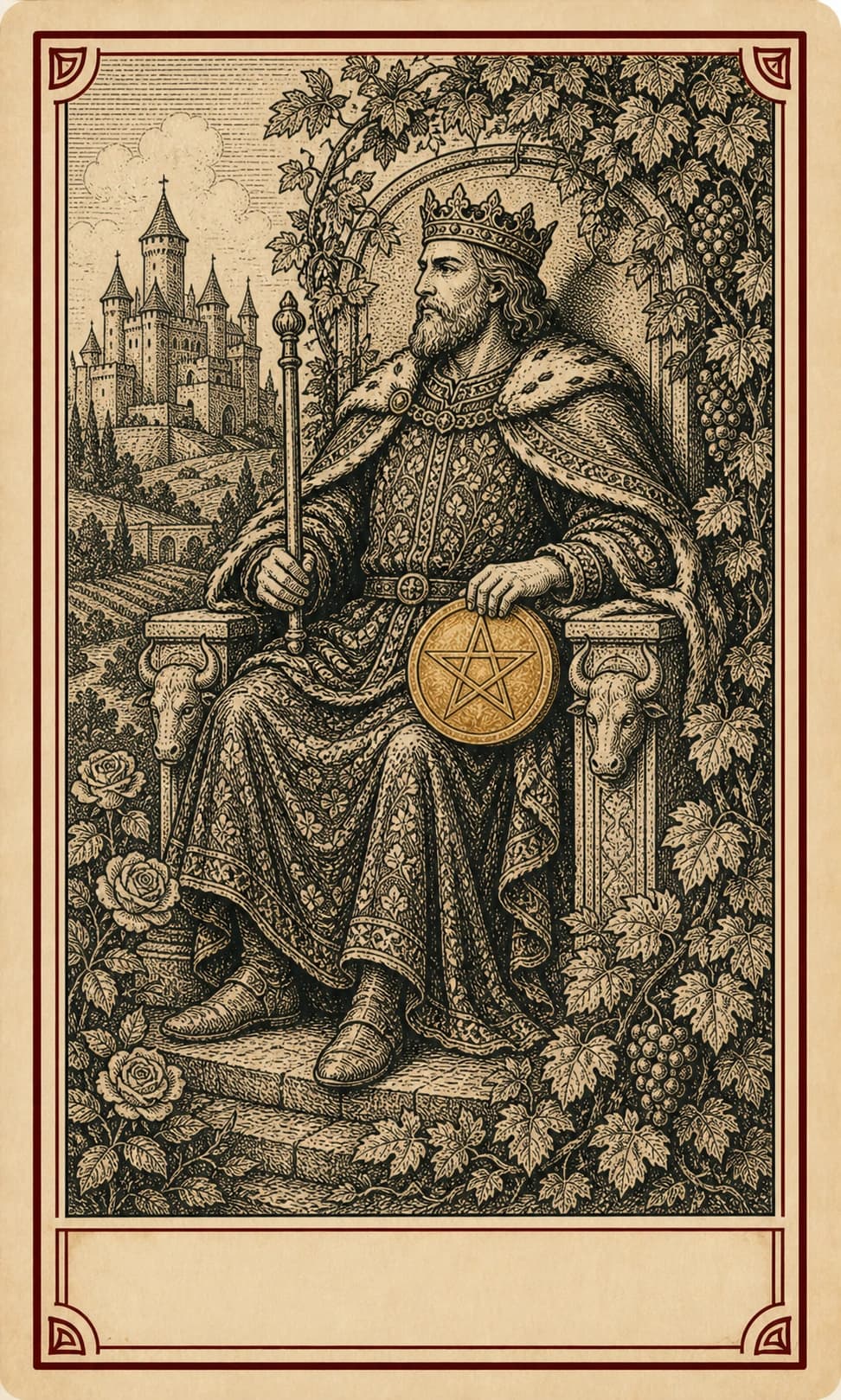
- The King of Pentacles manages resources for durable value through discipline, experience, and practical accountability.
Major Arcana
The Major Arcana are numbered archetypal cards often read as larger patterns, turning points, values, or lessons. Read their scale through the question and spread position.
Minor Arcana
The Minor Arcana contain four suits of fourteen cards. They tend to bring a reading closer to daily actions, emotions, communication, resources, and relationships.
Upright and reversed meanings
Upright and reversed interpretations are two lenses on the same theme. A reversal may indicate resistance, delay, imbalance, or an inward expression; it is not automatically negative.