Swords tarot card meanings
Swords are commonly associated with thought, communication, analysis, decisions, boundaries, and conflict. Read the suit's intense imagery through the question, spread position, and choices available now.
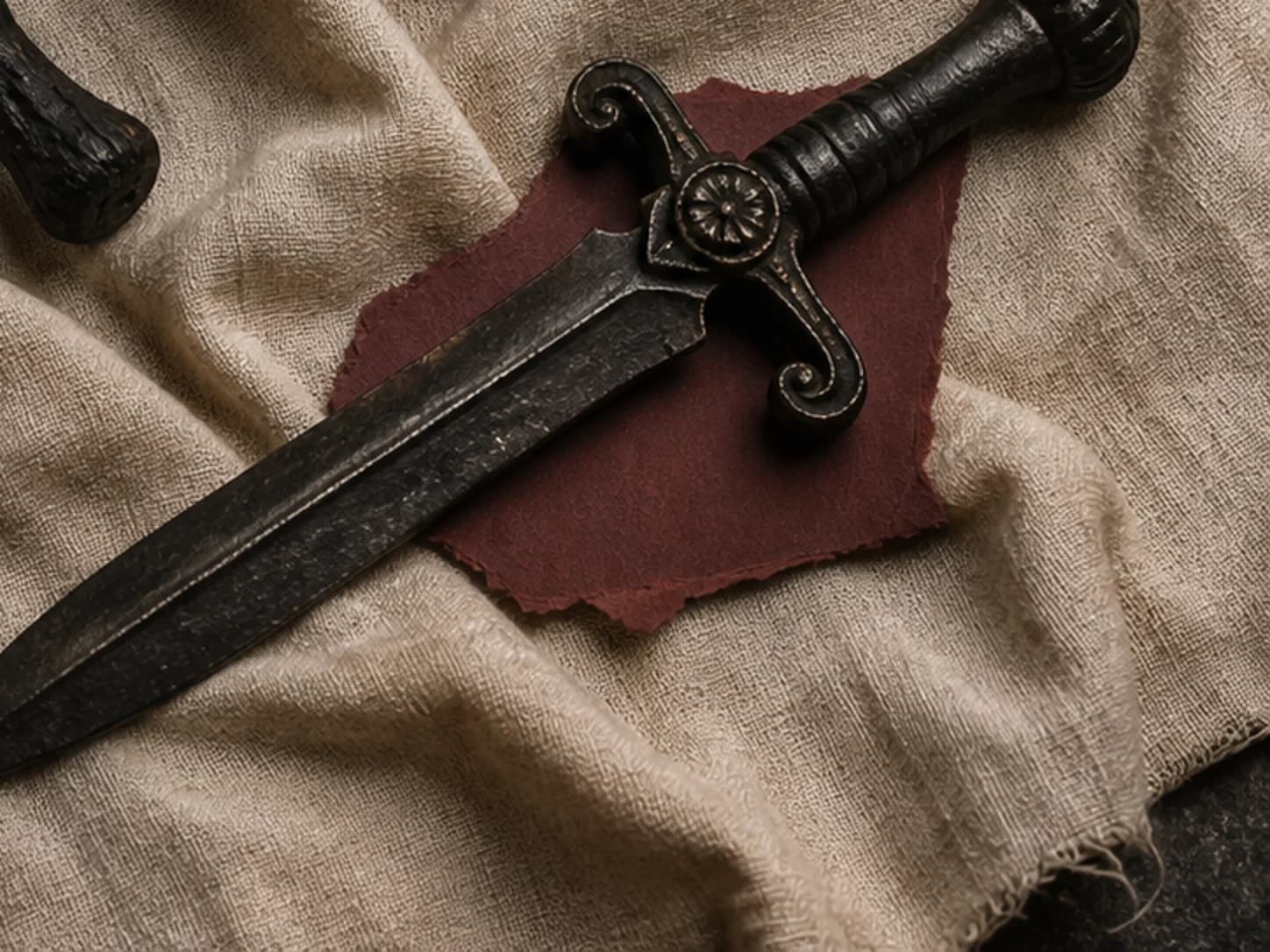
All 14 Swords cards
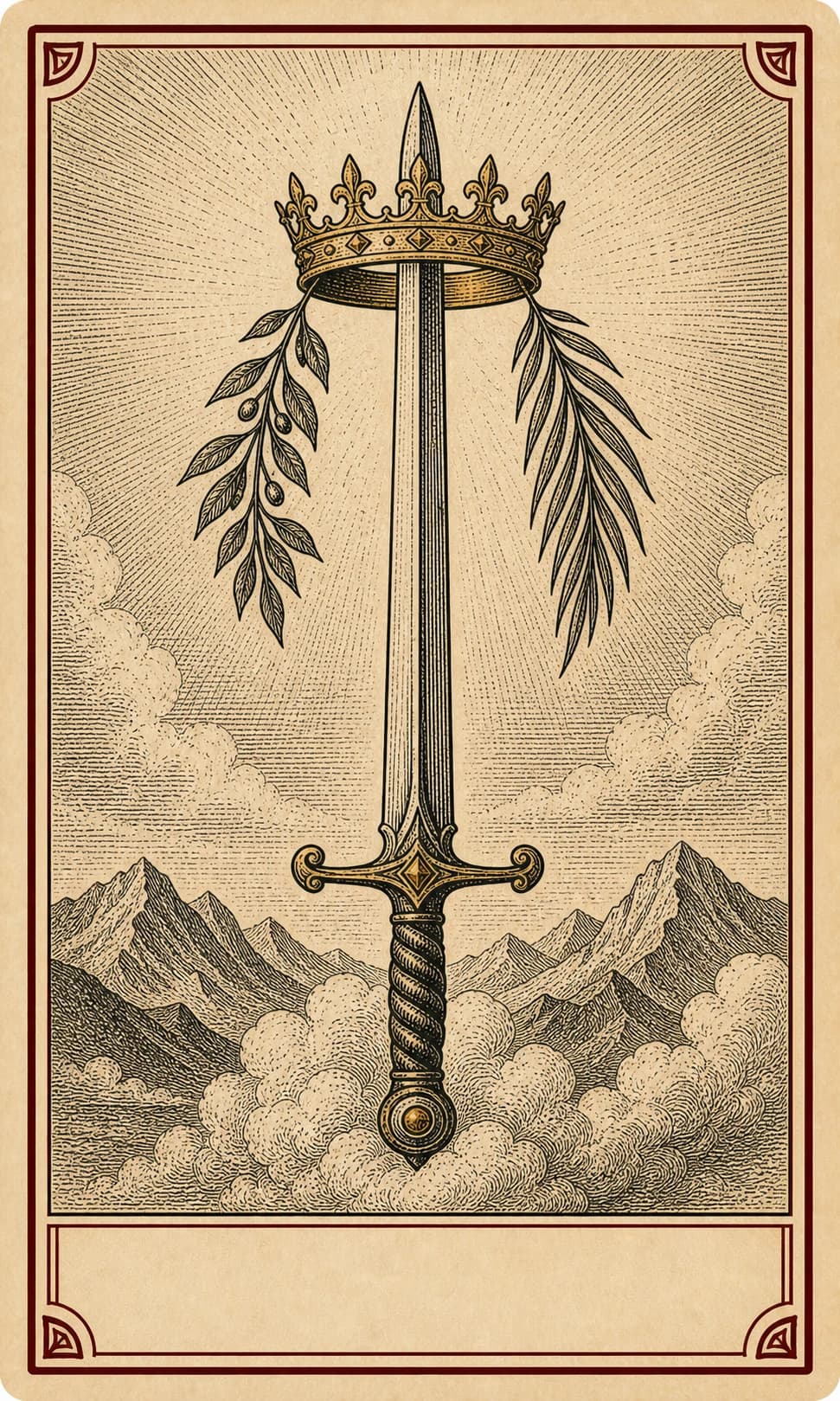
- The Ace of Swords cuts through confusion with a fact, insight, or decision that can be stated plainly.
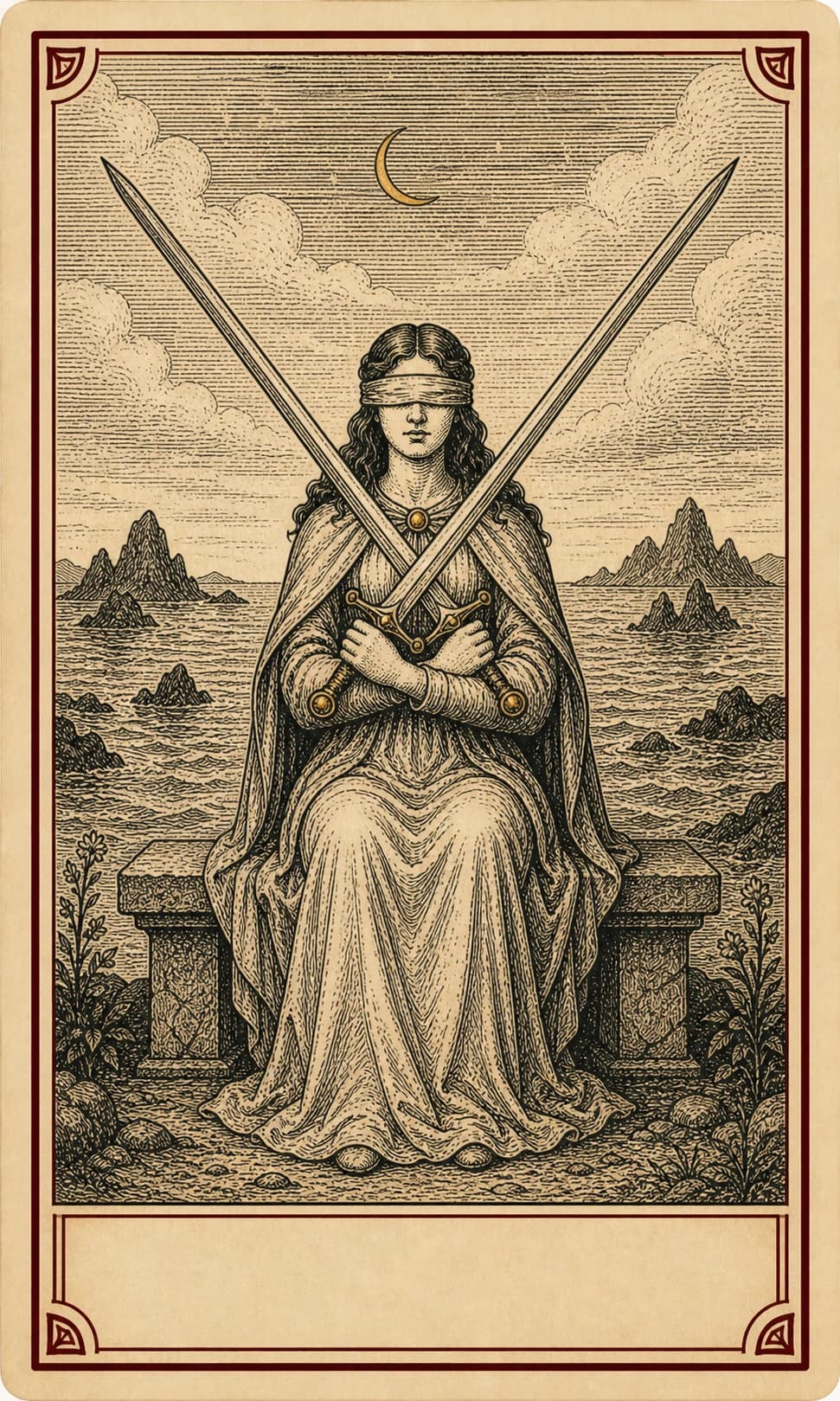
- The Two of Swords holds two incompatible options in suspension while avoiding information or emotion that would force a choice.
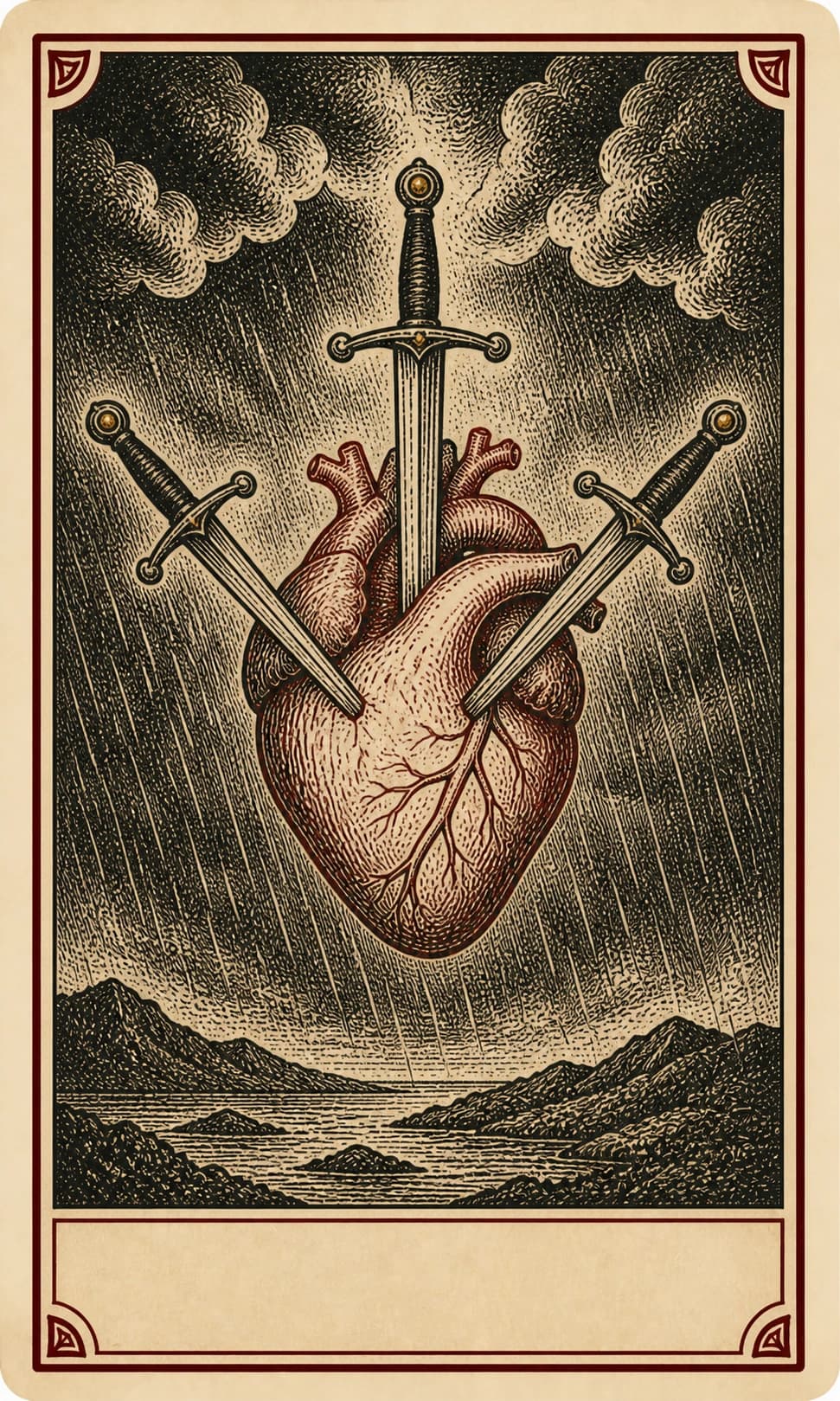
- The Three of Swords names emotional pain, separation, or a truth that hurts precisely because it matters.
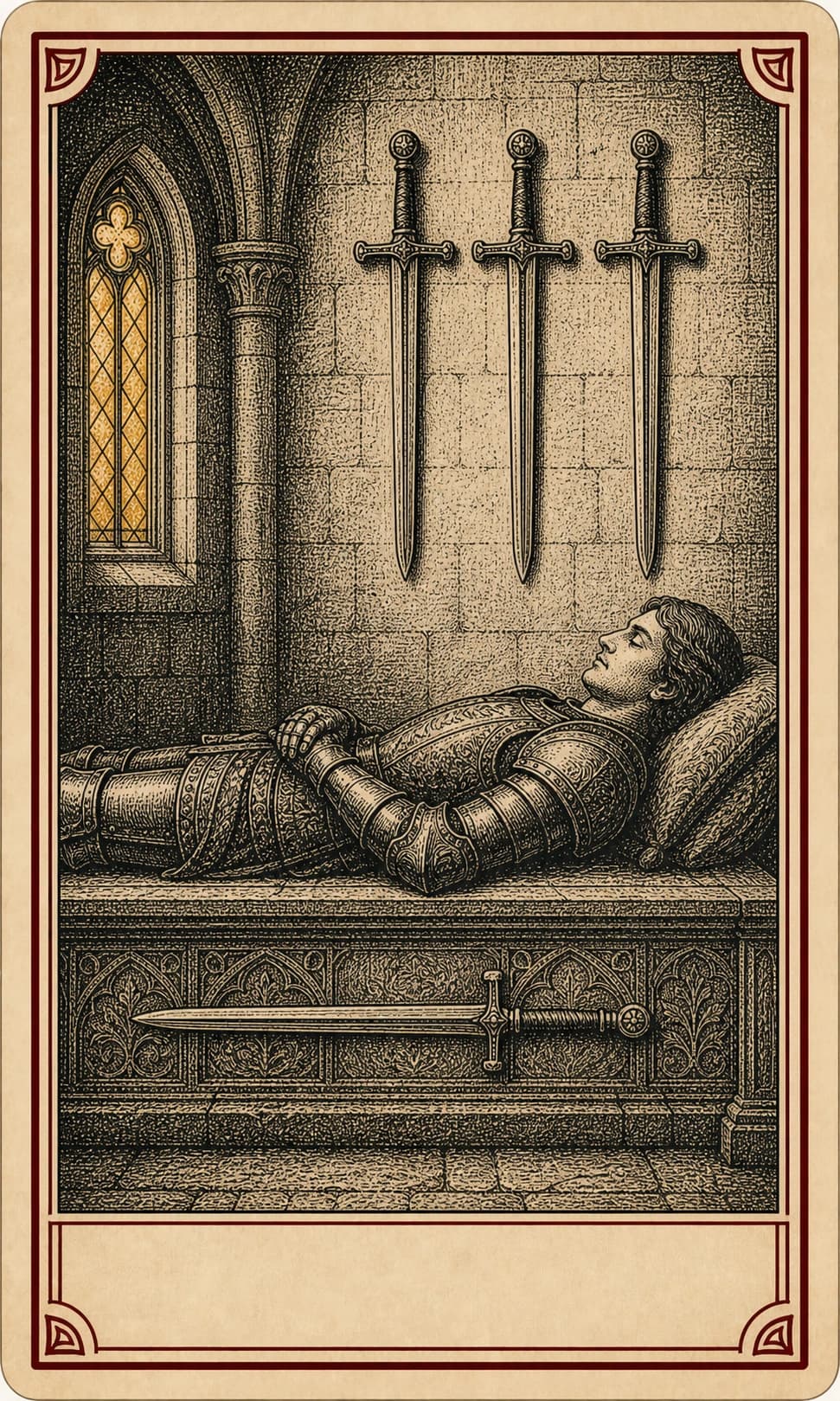
- The Four of Swords calls for deliberate recovery after sustained effort, conflict, or mental strain.
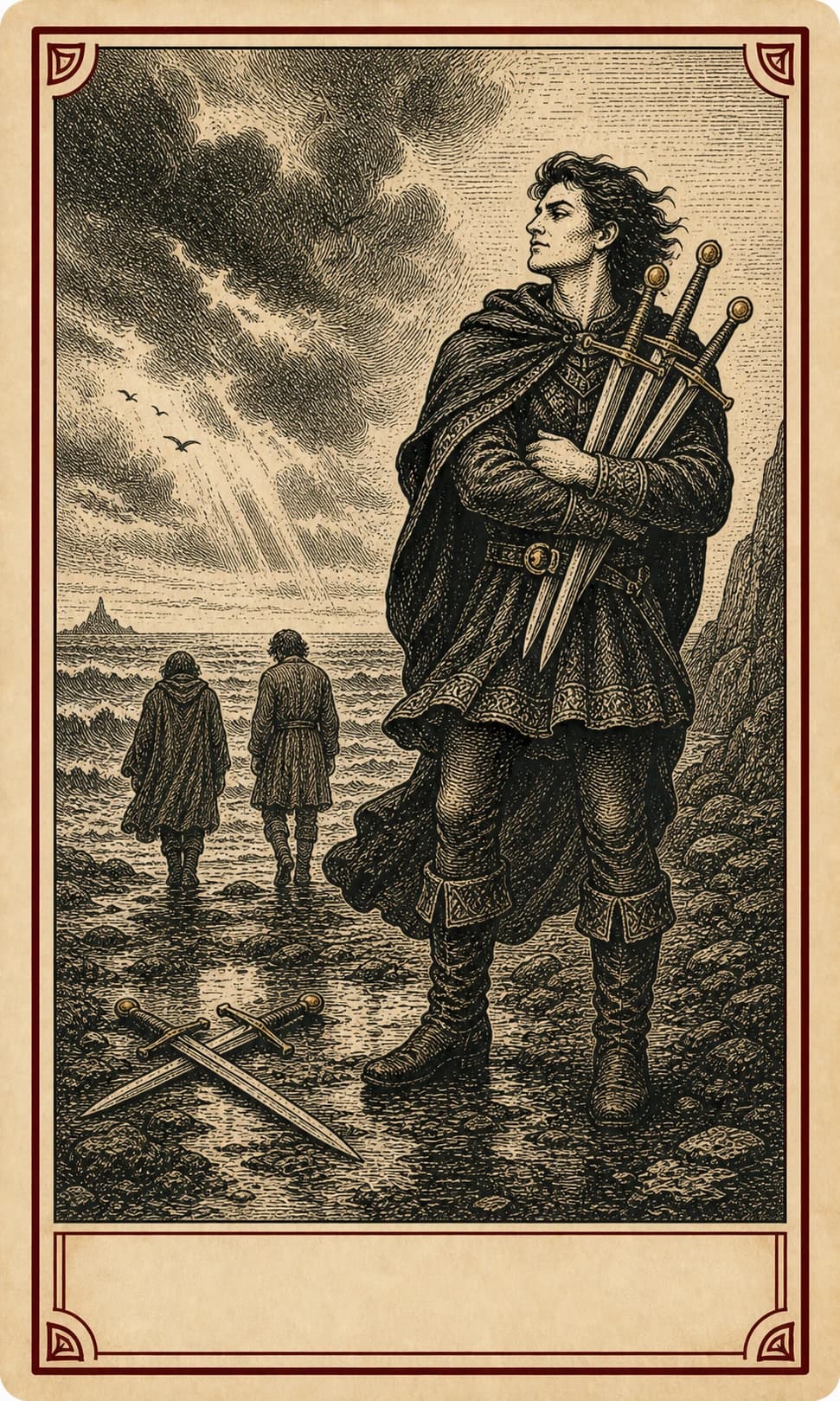
- The Five of Swords depicts a conflict that can be won tactically while damaging trust, dignity, or the larger purpose.
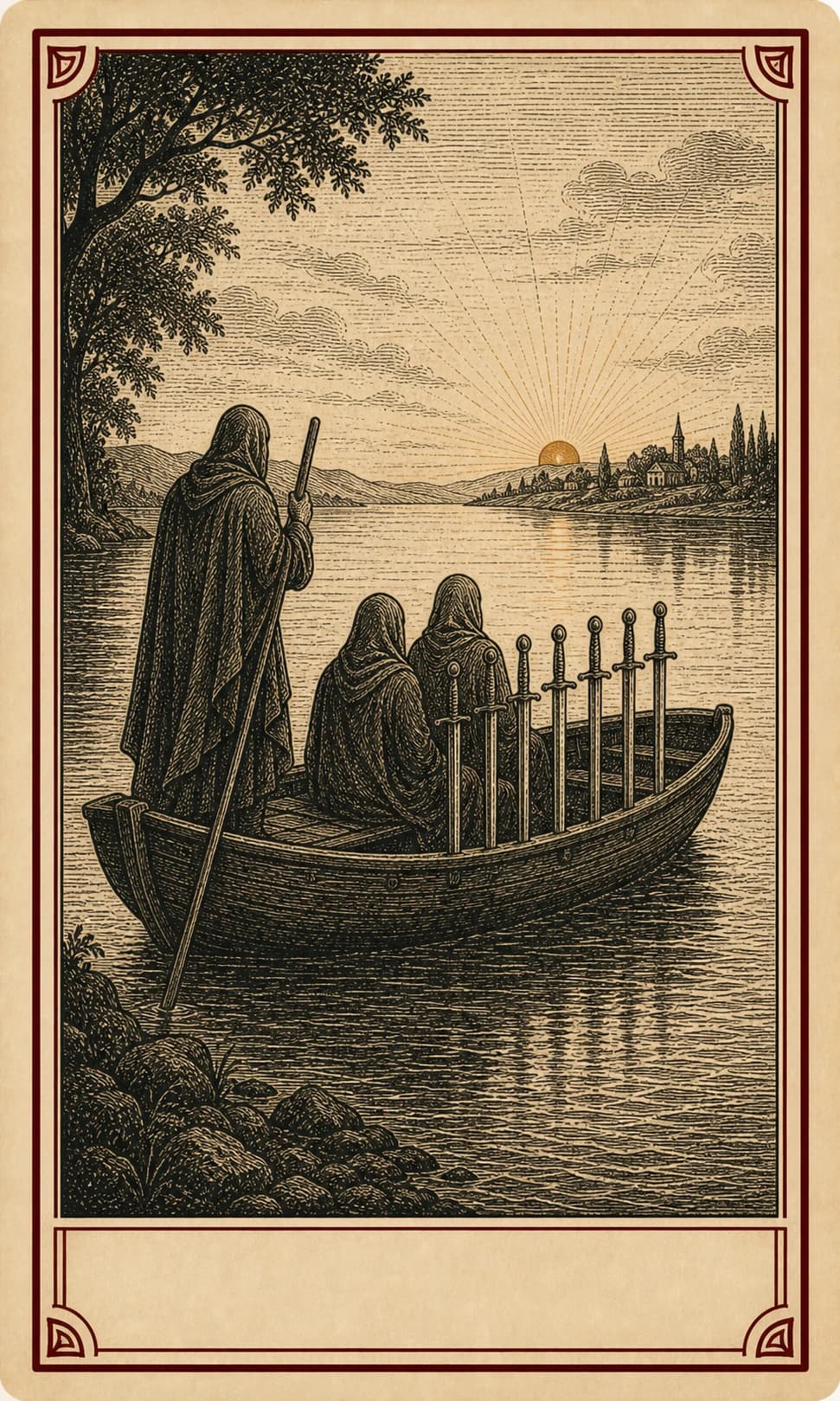
- The Six of Swords represents movement away from a difficult condition, even while its memories and consequences travel with you.
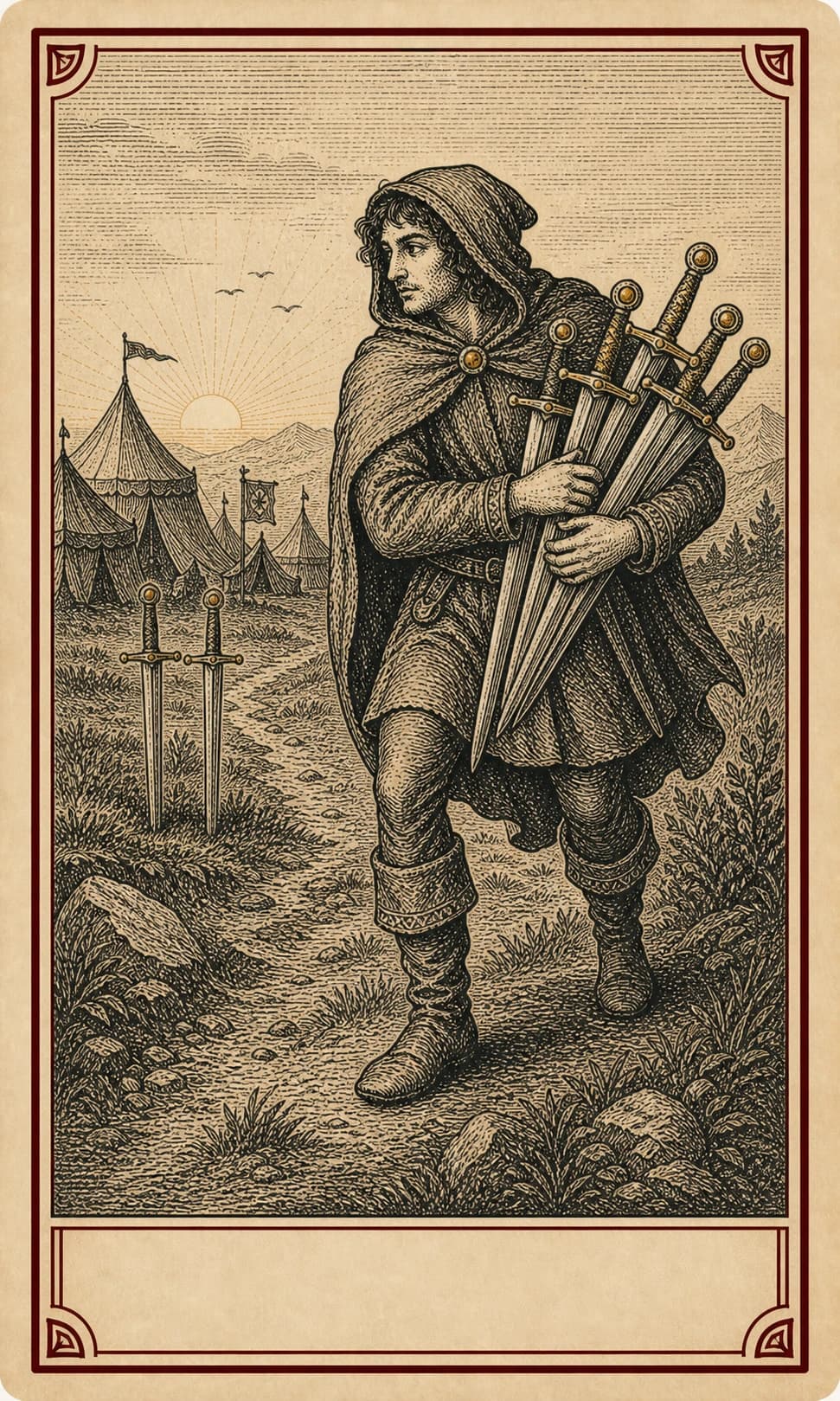
- The Seven of Swords concerns strategy used outside direct view, ranging from necessary discretion to deception and avoidance.
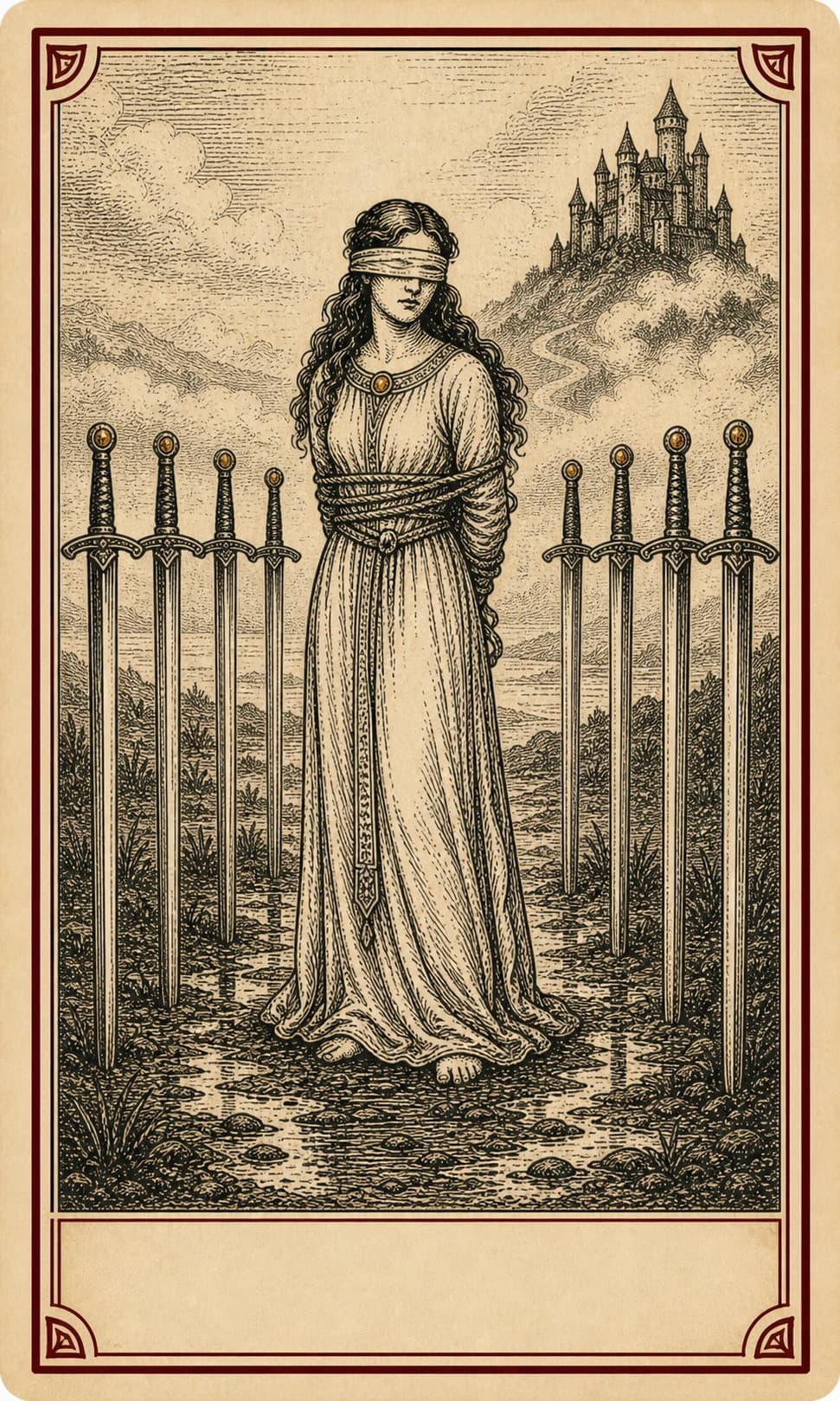
- The Eight of Swords shows real constraints intensified by a perspective that makes available choices difficult to see.
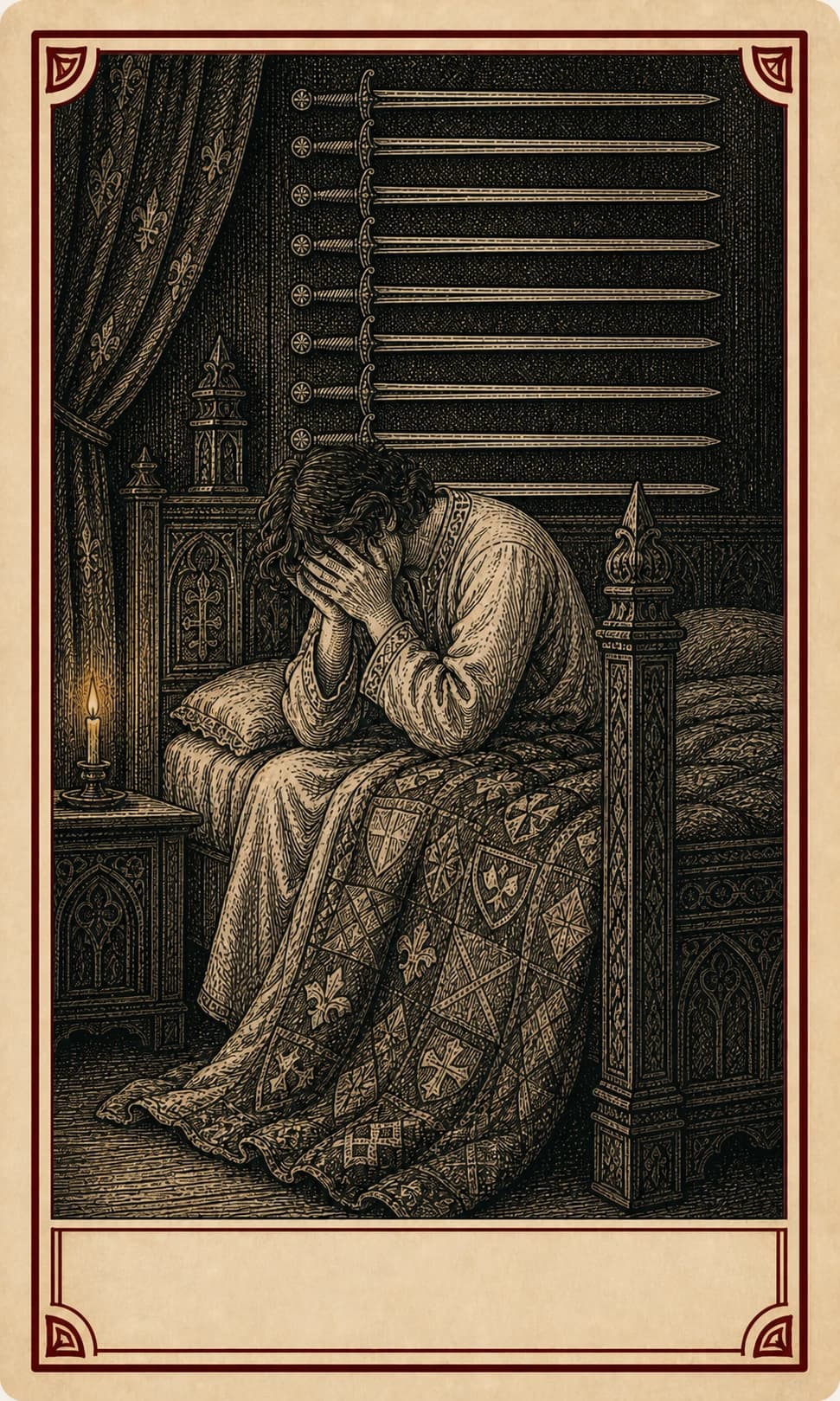
- The Nine of Swords depicts distress amplified in isolation, especially when the mind repeatedly rehearses feared outcomes.
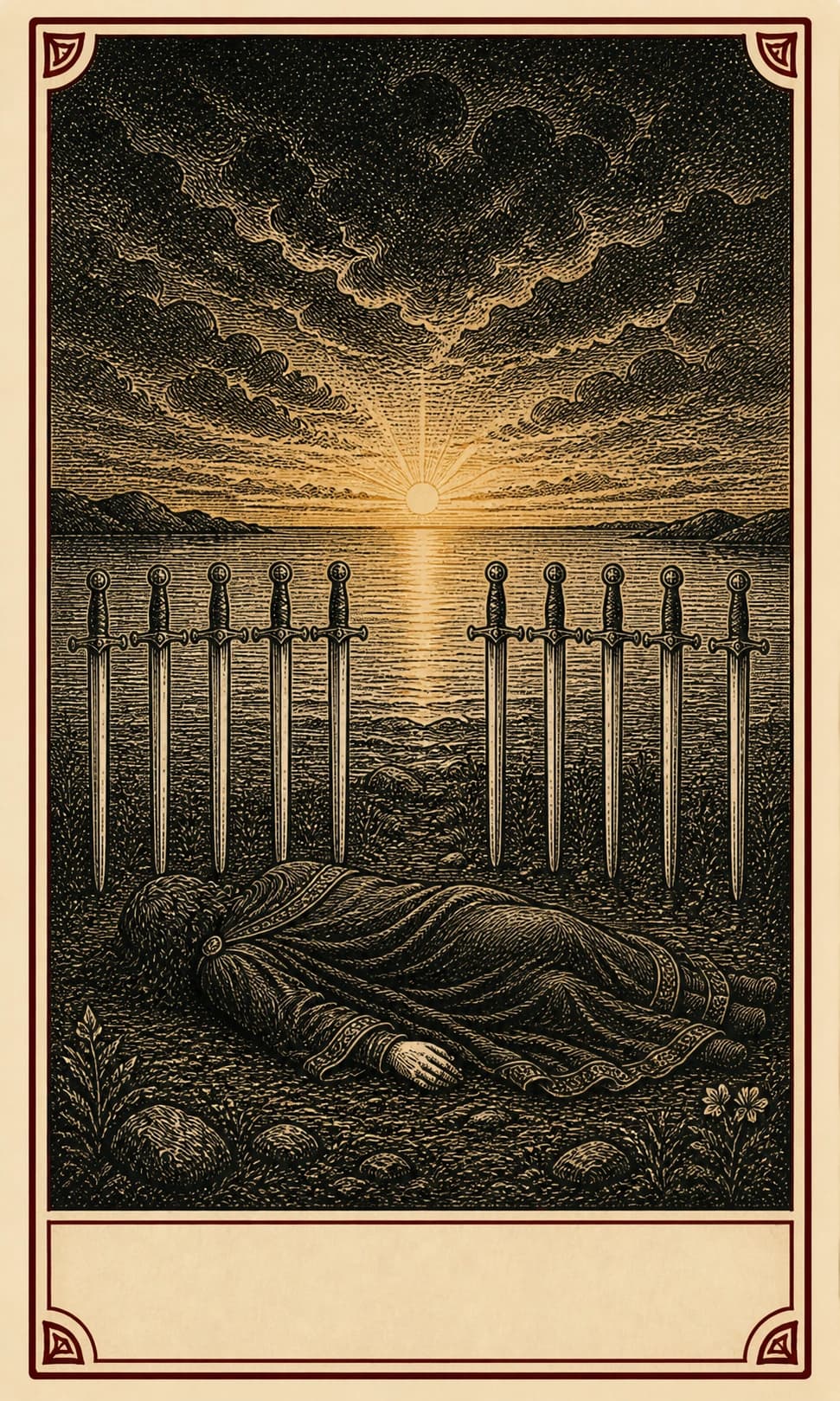
- The Ten of Swords portrays an ending that cannot be improved by continuing the same struggle.
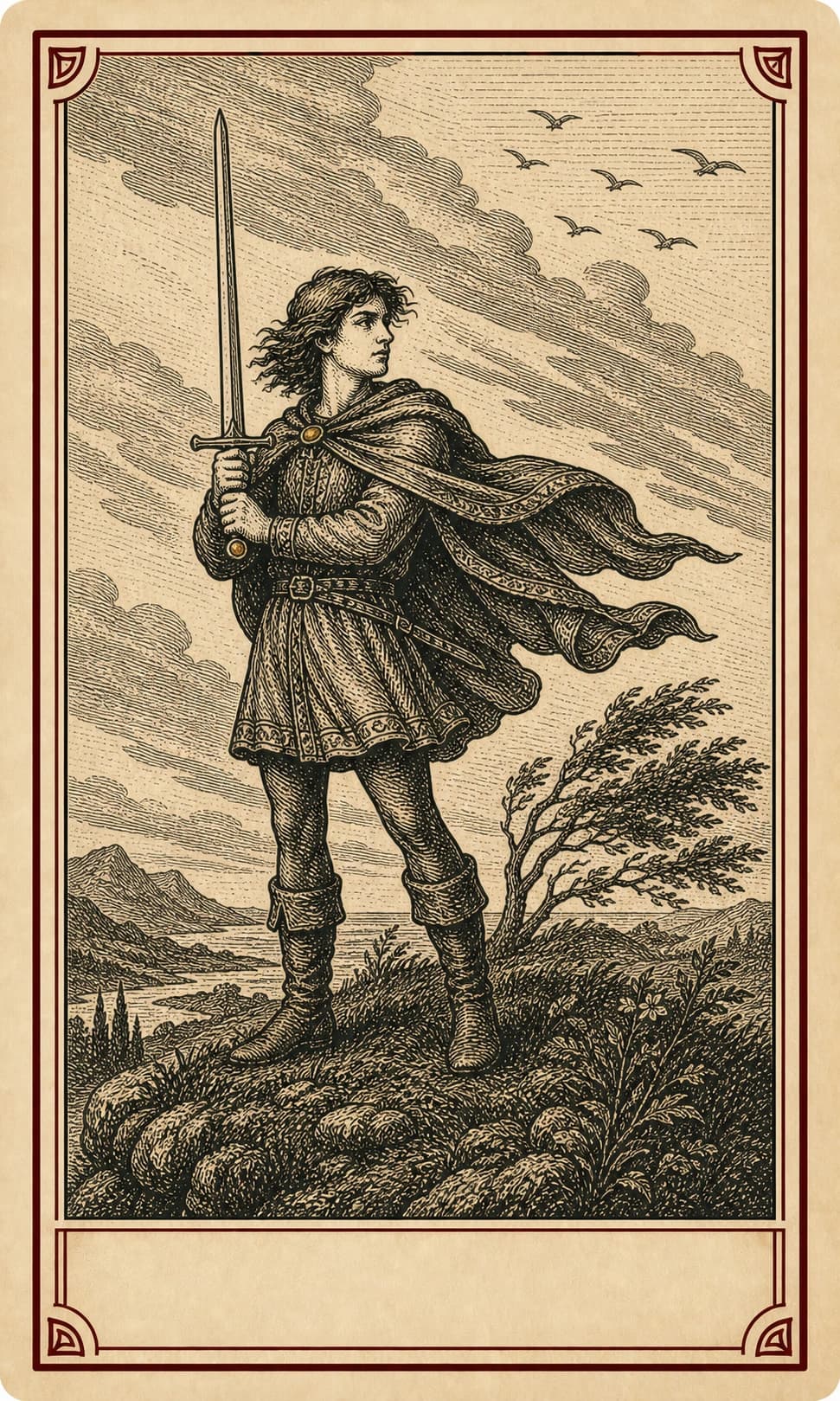
- The Page of Swords is alert, questioning, and eager to understand a new idea or changing situation.
- The Knight of Swords moves quickly toward a conclusion or cause with confidence and force.
- The Queen of Swords combines hard-won perception with the ability to state a clear boundary without unnecessary ornament.
- The King of Swords applies knowledge through consistent standards, strategic judgement, and responsibility for the decision.
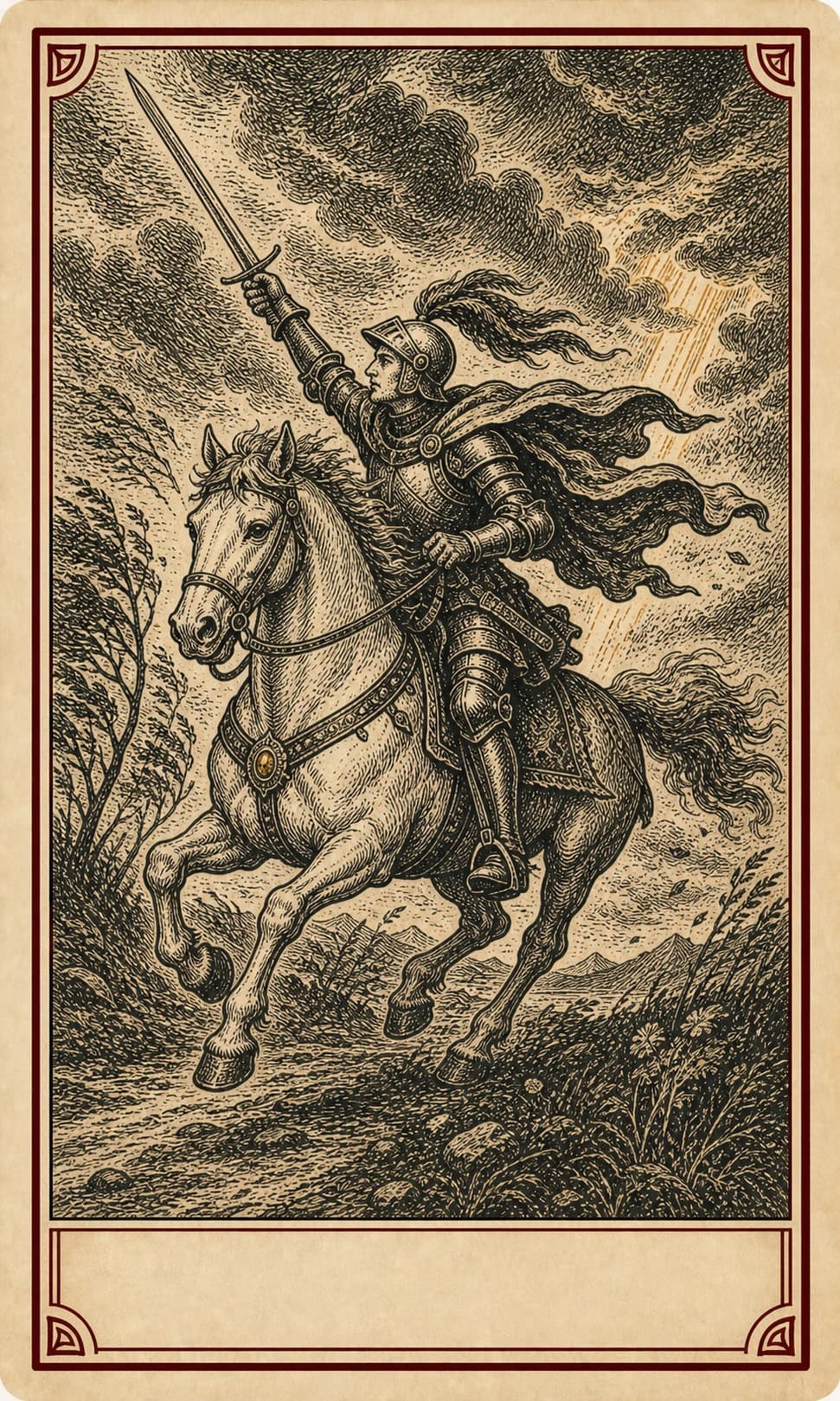
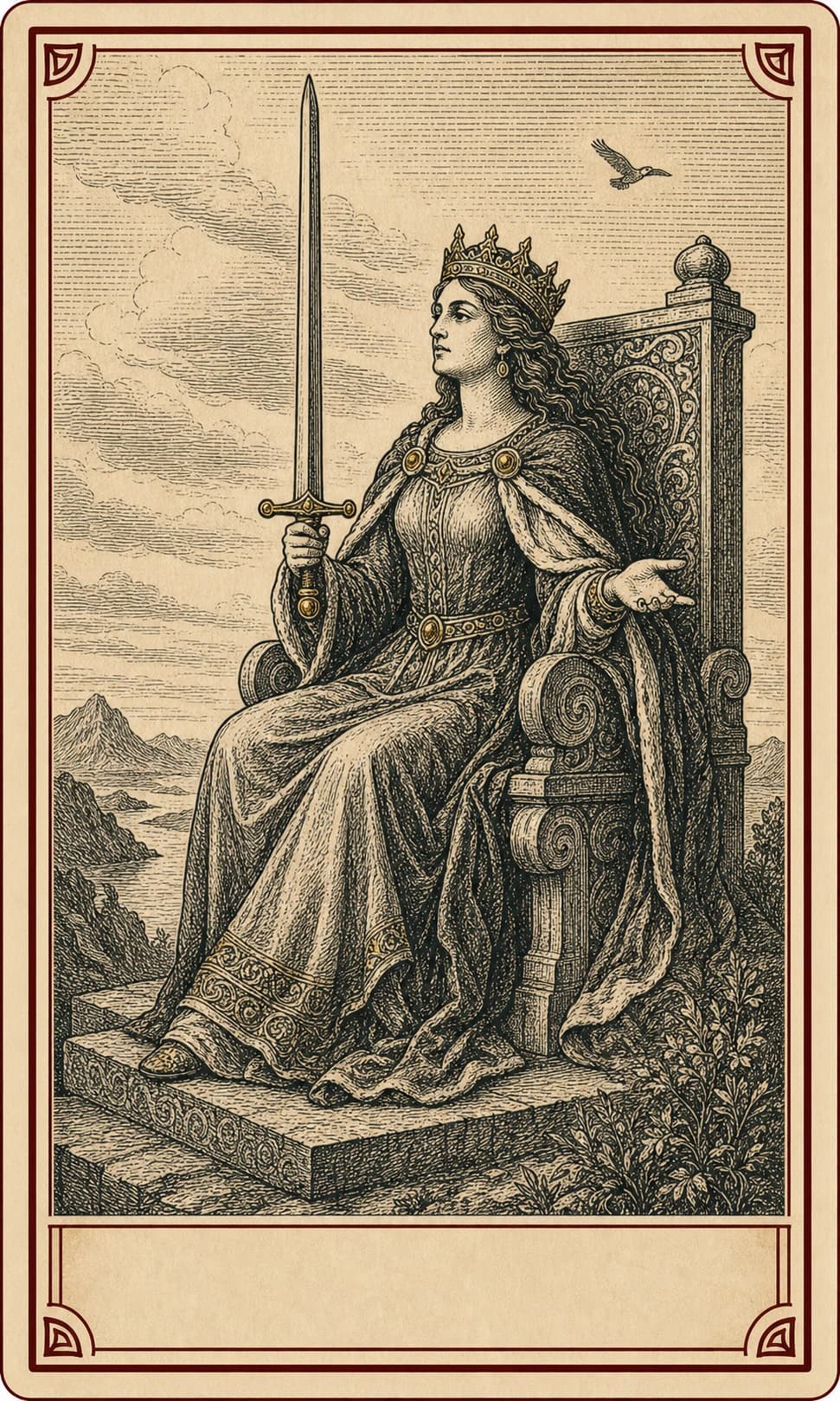
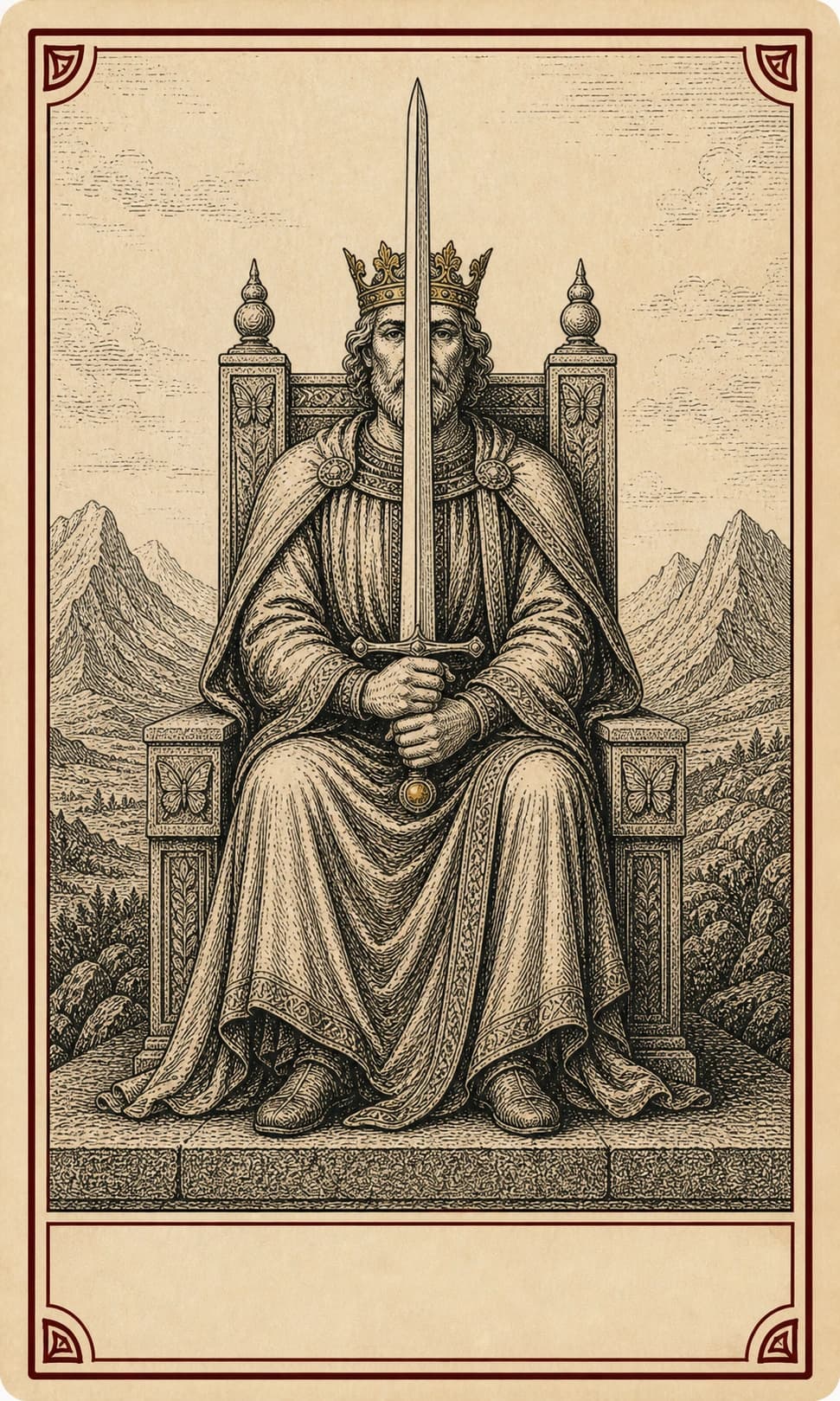
Swords in a reading
Several Swords can point toward competing ideas, a difficult conversation, mental pressure, or the need for clearer limits. Name the specific condition, conversation, or question that needs attention.
From Ace through Ten
The numbered Swords examine clarity, stalemate, disagreement, rest, strategy, uncertainty, and consequences. A difficult-looking card can support a useful question about recovery, boundaries, or communication.
Swords court cards
The Page, Knight, Queen, and King can represent ways of gathering facts, speaking directly, testing an argument, or setting a boundary. Consider both skill and excess in that approach before linking a court card to any person.